FCC Exemption for SpaceX's Starlink Routers: Implications and Insights
The FCC has exempted SpaceX's Starlink routers from a ban on foreign-made devices, allowing for continued production and sales. This article explores the implications of this decision for the tech industry and national security.
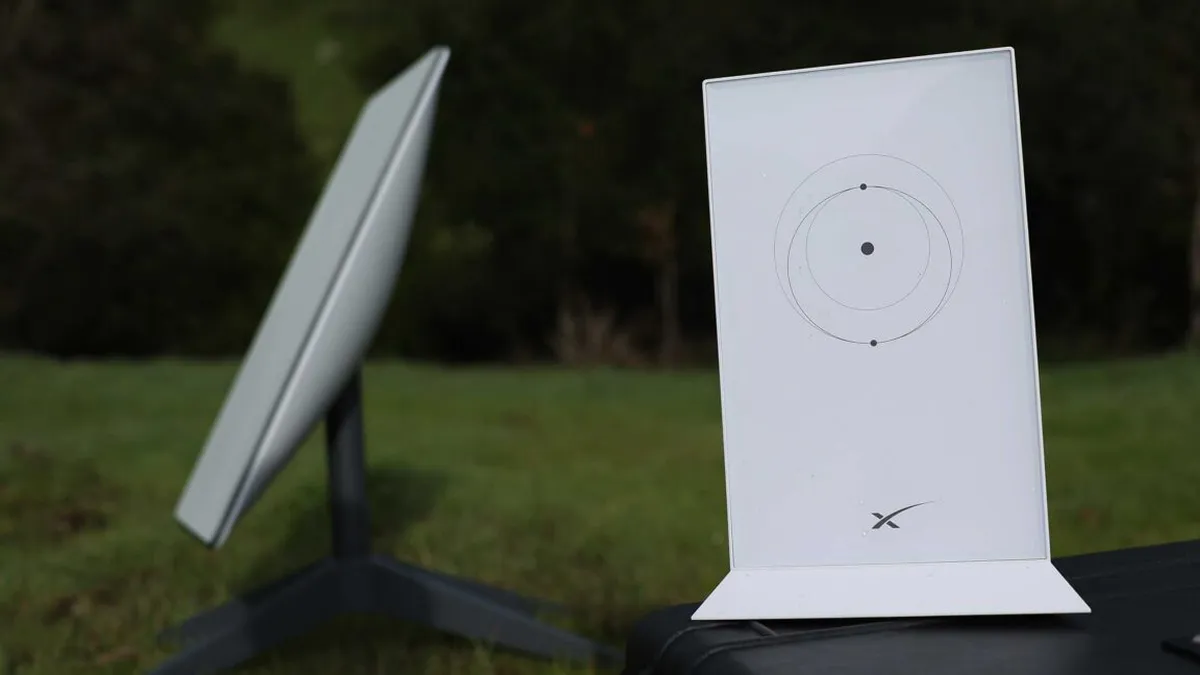
The decision by the Federal Communications Commission (FCC) to exempt SpaceX's Starlink routers from its ban on foreign-made networking devices marks a significant event in the technology and telecommunications sectors. Announced on July 27, 2026, this exemption allows SpaceX to continue manufacturing and selling its routers, which include components made overseas, particularly in Vietnam. The exemption is notably valid until February 1, 2028, and reflects a broader trend in the tech industry where national security concerns often intertwine with regulatory compliance.
This ruling not only impacts SpaceX but also sends ripples across the industry, affecting major players like Netgear and Amazon, who have also sought exemptions. As the FCC's Covered List now includes a wide range of consumer-grade routers deemed to pose potential risks to national security, the implications of this decision are vast, influencing how companies navigate regulations while balancing domestic production and global supply chains.

The FCC's Ban on Foreign-Made Routers
The FCC's decision to include all consumer-grade routers that contain any foreign-made components on the Covered List stems from rising concerns regarding national security. The Covered List identifies devices that are perceived as posing unacceptable risks, leading to a regulatory environment where manufacturers must seek conditional approvals to continue their operations.
As the tech landscape evolves, it's essential to understand the context of these regulations. The FCC initiated this action to mitigate the risks associated with reliance on foreign-made technology, particularly from countries that may not align with U.S. interests. The move is part of a broader strategy to encourage domestic manufacturing and reduce dependence on international supply chains, especially those linked to potential adversaries like China.
SpaceX's Unique Position
SpaceX, primarily known for its advancements in aerospace technology, has carved out a unique niche in the telecommunications sector with its Starlink satellite internet service. The company operates a factory in Texas, where it produces some of its routers, but it also manufactures components in Vietnam, which complicates its compliance with FCC regulations. The approval from the Department of War, a critical step in securing the exemption, underscores SpaceX's importance to national security initiatives.
Interestingly, some of SpaceX's routers bear the label “Made in the USA,” which has led to speculation about whether the company might be the only major router manufacturer to escape the FCC's comprehensive ban. However, the reality is more nuanced, as the routers made in Vietnam must still comply with the regulations set forth by the FCC.

Implications for the Tech Industry
The exemption granted to SpaceX is more than just a victory for the company; it has broader implications for the technology industry as a whole. Major companies such as Netgear and Amazon have also received exemptions, indicating that the FCC is willing to work with industry leaders to ensure compliance while balancing national security concerns.
As manufacturers navigate this new regulatory landscape, several key challenges arise:
- Compliance Costs: Companies may face increased costs associated with ensuring compliance with FCC regulations and securing exemptions.
- Supply Chain Adjustments: Manufacturers may need to reassess their supply chains, potentially shifting production to the U.S. to mitigate risks associated with foreign components.
- Legal Challenges: Companies that struggle to obtain exemptions, especially those with ties to countries like China, may resort to legal actions similar to those seen in the drone industry.
- Consumer Trust: As concerns about national security grow, consumer trust in technology brands may shift, influencing purchasing decisions.
Future Prospects and Industry Response
The current regulatory environment signals a shift in how technology companies approach manufacturing and compliance. With the FCC's stringent regulations in place, companies are likely to invest more in domestic production capabilities. This may lead to an influx of jobs and economic activity in the tech sector, but it also raises questions about the sustainability of such a model in an increasingly globalized economy.
As the deadline for exemptions approaches, companies must strategize on how to maintain their market positions while adhering to the increasingly complex regulatory landscape. The tech industry is known for its agility; therefore, companies that can quickly adapt to these changes are likely to thrive. Initiatives to increase domestic manufacturing capabilities could become a focal point for technology firms, spurred by both regulatory pressures and consumer demand.
Key Takeaways
- The FCC has exempted SpaceX's Starlink routers from a ban on foreign-made devices until February 1, 2028.
- Major companies like Netgear and Amazon have also received exemptions from the FCC.
- The regulatory environment is shaping how technology companies manage production and compliance.
- National security concerns are driving a shift towards domestic manufacturing in the tech sector.
- Legal and compliance challenges are likely to increase as companies navigate new regulations.
Frequently Asked Questions
What does the FCC's Covered List entail?
The FCC's Covered List is a regulatory framework identifying devices that pose unacceptable risks to national security. It includes consumer-grade routers with foreign-made components, requiring manufacturers to seek exemptions to continue selling their products in the U.S. This list reflects the FCC's commitment to maintaining national security while balancing the operational needs of technology companies.
How does SpaceX's exemption impact competition in the router market?
SpaceX's exemption could provide it with a competitive edge in the router market, as it allows the company to continue selling its products without the restrictions faced by other manufacturers. This situation may compel competitors to innovate and potentially shift their production strategies to align with regulatory requirements, increasing competition in the sector.
What are the potential consequences for companies unable to obtain exemptions?
Companies that cannot secure exemptions may face significant operational challenges, including losing market access and potential revenue declines. In extreme cases, they may also resort to legal action against the FCC, as seen with the drone manufacturer DJI. The inability to adapt to the regulatory landscape could ultimately jeopardize a company's viability in the U.S. market.
Comments
Powering the Future: Insights from TechCrunch Disrupt 2026's Smart Systems Stage
As AI technology surges forward, the demand for energy infrastructure has become a critical challenge. Discover key discussions and innovations related to AI's energy needs at TechCrunch Disrupt 2026.
Related articles

Popular in Cloud Computing
- SK Hynix's Historic $26.5 Billion IPO: A New Era for Memory Chips
- Kubernetes and the Future of Desktop Infrastructure: A Paradigm Shift
- Amazon Expands Partnership with Nvidia, Tripling GPU Orders Amid AI Demand Surge
- Elon Musk's Evolving Relationship with Anthropic: A New Era for AI Hosting
- Emerging Rocket Launches: A New Era for Space Exploration