Emerging Rocket Launches: A New Era for Space Exploration
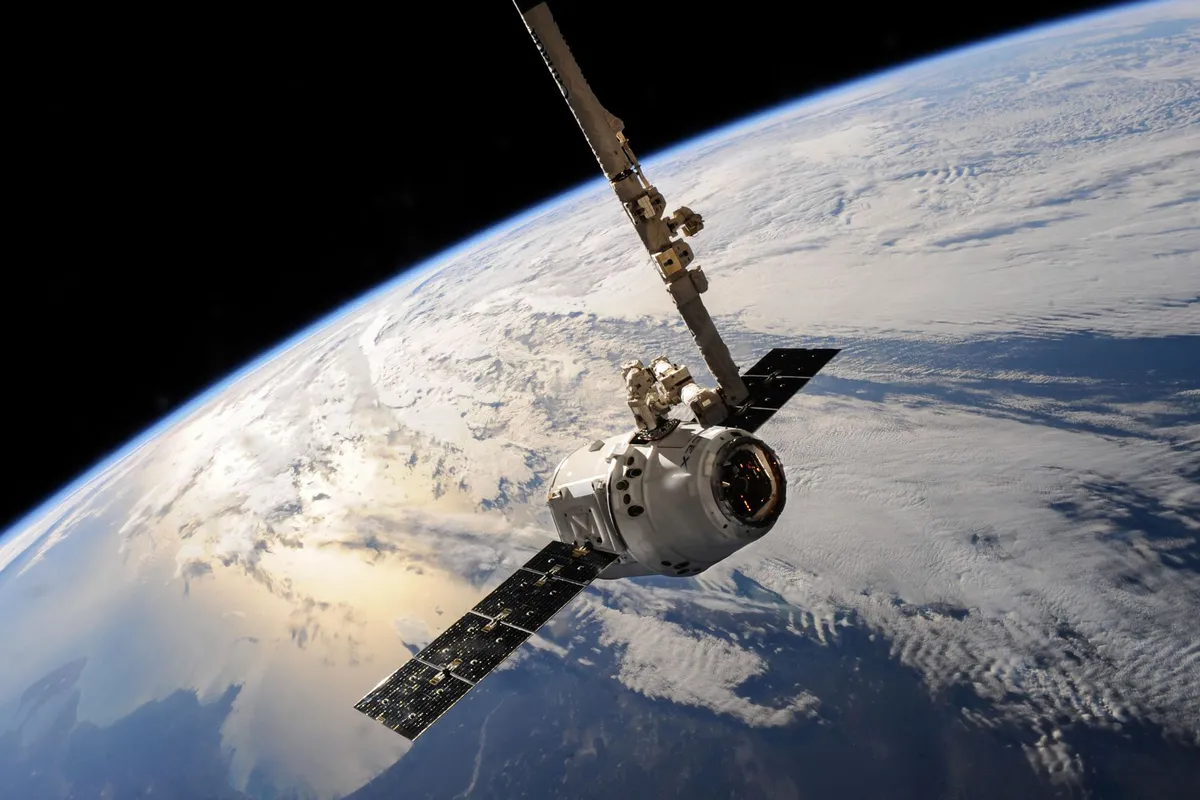
As the global space race heats up, new rocket launches are on the horizon, including significant efforts from Asia and Europe. Notable upcoming launches include China's Long March 10B and India's Vikram-1, alongside Germany's Rocket Factory Augsburg's renewed efforts.
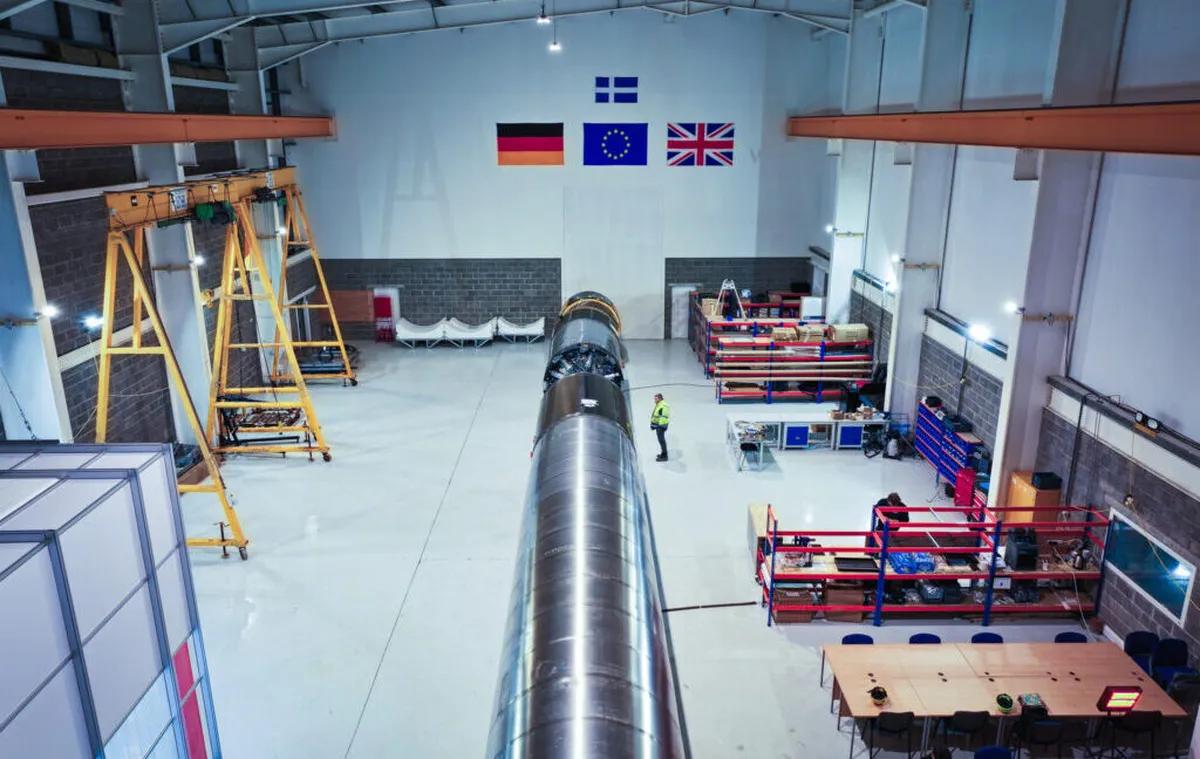
The global interest in space exploration continues to escalate as new rocket technologies and national ambitions come to the forefront. The upcoming launches of the Long March 10B from China and Vikram-1 from India signify not just the advancements in space technology but also the increasing competition among nations and private companies in the cosmic arena. As the space race evolves, these missions will highlight the capabilities and aspirations of their respective nations, paving the way for future endeavors in space.
The Long March 10B, a medium-lift rocket equipped with a reusable first stage, is set to attempt a significant milestone by landing its first stage on a recovery ship post-launch. This strategy mirrors the successful methodologies employed by SpaceX and could revolutionize the efficiency and cost-effectiveness of space launches. Meanwhile, the Indian private sector is gearing up for a landmark moment with Skyroot's Vikram-1, the company’s first foray into orbital launches. Such developments indicate a shift toward privatization and innovation in countries that have traditionally relied on government-led space programs.
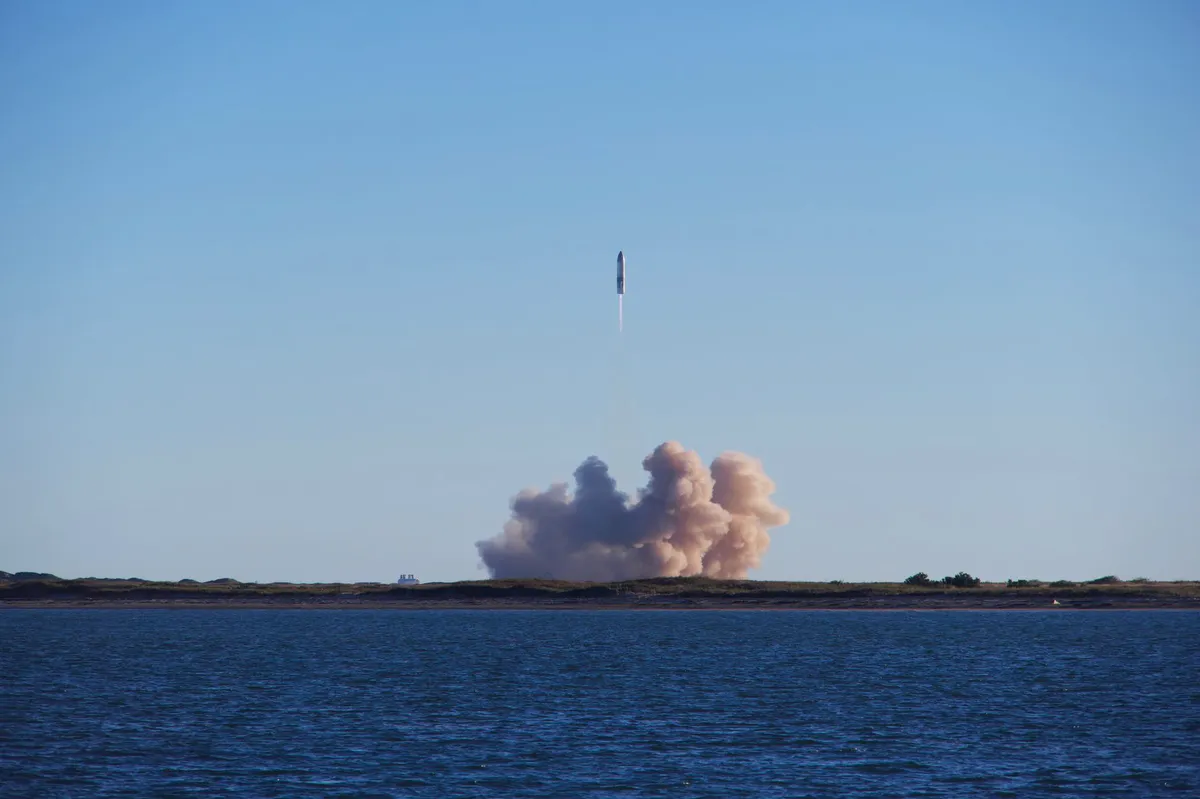
Global Launch Landscape: A Closer Look
The emergence of various players in the global rocket launch market is reshaping the landscape of space exploration. The global space launch market, valued at approximately $9 billion in 2021, is expected to grow as more nations and private enterprises engage in orbital missions.
A New Player: The Long March 10B
China's Long March 10B is drawing attention for its strategic design aimed at enhancing payload capacity while maintaining reusability. This rocket's reusable first stage offers the potential for significant cost savings and increased launch frequency. As the rocket tries to land on a recovery ship, it will demonstrate China's commitment to refining its space technologies in line with international standards. The success of this mission could set a precedent for future Chinese launches.
India's Skyroot and the Vikram-1
On the other side of Asia, Skyroot's Vikram-1 is making headlines as it prepares for its inaugural launch. This mission represents a crucial step in India's burgeoning private space sector and aims to establish the country as a competitive player in the small satellite launch market. The Vikram-1 is designed to carry payloads of up to 500 kilograms to low Earth orbit, making it ideal for commercial applications, including satellite deployments for various industries.
Challenges Ahead: Navigating the Launch Environment
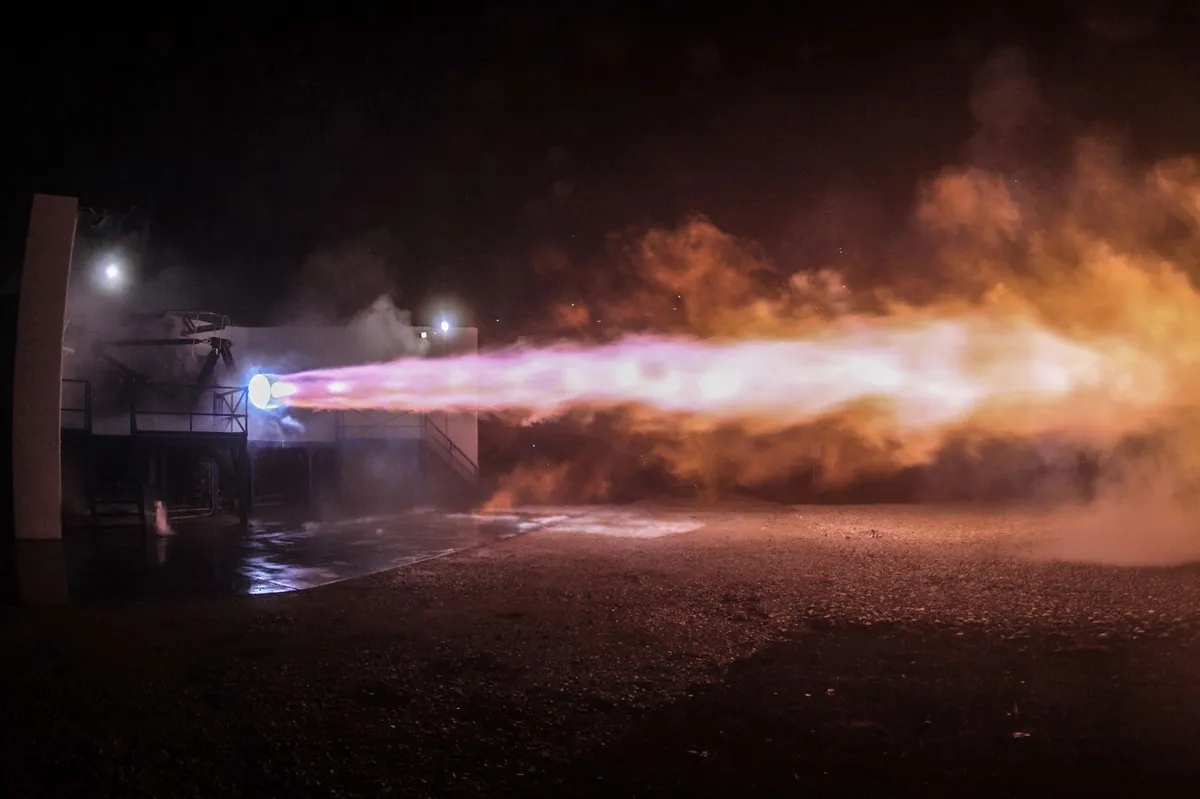
While the excitement around these upcoming launches is palpable, the path to successful space missions is fraught with challenges. Regulatory hurdles, environmental concerns, and technological limitations must be addressed to ensure both safety and efficiency.
Regulatory Landscape
The regulatory environment for rocket launches is complex and varies significantly across different regions. In the U.S., the Federal Aviation Administration (FAA) oversees launch licenses, while other countries have their own governing bodies. As nations like India and China ramp up their launch capabilities, they will need to establish robust regulatory frameworks that ensure safety while promoting innovation.
Environmental Considerations
Environmental impacts are another pressing concern. Rocket launches contribute to greenhouse gas emissions, and as the frequency of launches increases, the cumulative effects could be significant. Both governmental and private entities must prioritize sustainable practices, such as developing greener propellants and minimizing launch site disturbances.
Market Dynamics: The Race for Cost Efficiency
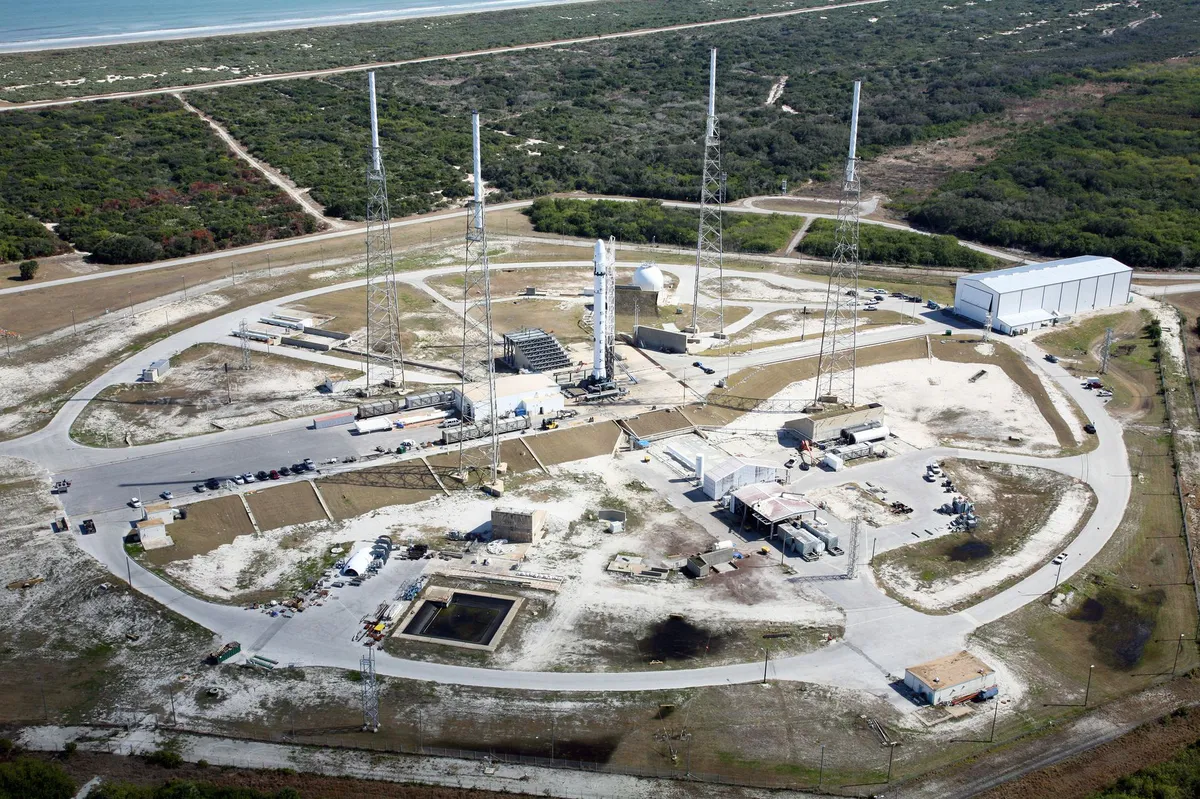
The race for cost efficiency in the rocket launch market is pushing companies to innovate and adopt more sustainable practices. As SpaceX has demonstrated, reusable technology can drastically reduce costs, making space more accessible.
Investment Trends
Investments in space technology are at an all-time high, with venture capitalists pouring funds into startups like Skyroot. As these companies seek to prove their capabilities and secure contracts, the competitive landscape will likely drive down launch prices. This trend is crucial for industries reliant on satellite technology, such as telecommunications, agriculture, and environmental monitoring.
Future Prospects
The future of rocket launches appears promising, with advancements in technology and increasing collaboration between public and private sectors. As more players enter the field, the potential for innovation grows, ultimately benefiting society as a whole.
Key Takeaways
- Long March 10B: China's reusable medium-lift rocket aims to enhance launch capabilities.
- Vikram-1: India's first privately developed rocket prepares for its inaugural launch.
- Regulatory and environmental challenges: Must be navigated to ensure sustainable and safe launches.
- Investment surge: The space sector is witnessing unprecedented investment, driving innovation and cost efficiency.
Frequently Asked Questions
What is the significance of reusable rocket technology?
Reusable rocket technology has the potential to drastically reduce the cost of space travel by allowing rockets to be refurbished and relaunched, rather than built anew for each mission. This paradigm shift can open up space access to a wider array of companies and organizations, fostering innovation and expanding the possibilities for space exploration and satellite deployment.
How does the launch market affect satellite deployment?
The launch market directly influences the costs and timelines associated with deploying satellites for various applications, including communication, Earth observation, and scientific research. As launch costs decrease due to competition and technological advancements, more entities can afford to place satellites into orbit, which can lead to advancements in technology and services that rely on satellite data.
What are the environmental impacts of rocket launches?
Rocket launches contribute to air pollution and greenhouse gas emissions, particularly from the propellants used. The increasing frequency of launches raises concerns about the cumulative environmental impact. As the industry grows, it is crucial for companies to adopt greener technologies and practices to minimize their ecological footprint.
How is the global space race evolving?
The global space race is evolving with an increase in participation from private companies and emerging spacefaring nations. This shift is characterized by innovative technologies, new launch providers entering the market, and the potential for international collaboration on space exploration and research. As more players join the race, the landscape of space exploration will continue to transform.
Comments
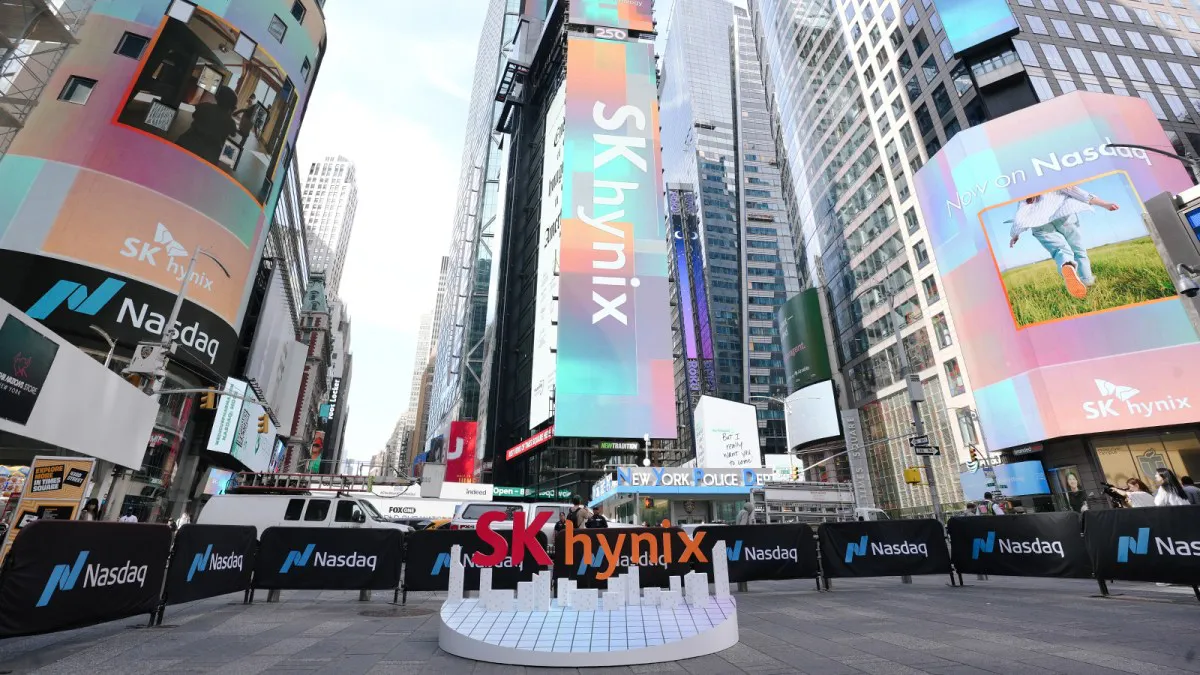
SK Hynix's Historic $26.5 Billion IPO: A New Era for Memory Chips
SK Hynix has made headlines by raising $26.5 billion in the largest foreign IPO in US history, signaling a pivotal moment in the semiconductor industry. This article explores the implications of this monumental event, including its impact on the US chip market and global supply chains.
Related articles
Popular in Cloud Computing
- SK Hynix's Historic $26.5 Billion IPO: A New Era for Memory Chips
- Kubernetes and the Future of Desktop Infrastructure: A Paradigm Shift
- Amazon Expands Partnership with Nvidia, Tripling GPU Orders Amid AI Demand Surge
- Elon Musk's Evolving Relationship with Anthropic: A New Era for AI Hosting
- How QuantumDiamonds is Transforming Chip Manufacturing with Quantum Technology