SK Hynix's Historic $26.5 Billion IPO: A New Era for Memory Chips
SK Hynix has made headlines by raising $26.5 billion in the largest foreign IPO in US history, signaling a pivotal moment in the semiconductor industry. This article explores the implications of this monumental event, including its impact on the US chip market and global supply chains.

The semiconductor industry is witnessing a seismic shift with SK Hynix's recent initial public offering (IPO), which raised a staggering $26.5 billion, marking the largest foreign IPO in U.S. history. This momentous event not only highlights the growing significance of memory chips in the age of artificial intelligence (AI) but also underscores the strategic moves being made by major players in the technology sector. With the IPO, SK Hynix aims to bolster its position in a competitive landscape, where demand for memory chips is skyrocketing alongside the AI revolution.
On July 10, 2026, SK Hynix debuted on the Nasdaq stock exchange under the temporary ticker SKHYV, with regular trading slated to commence on July 13 under the ticker SKHY. The company sold 177.9 million American depositary shares (ADRs) at a price of $149 each, allowing U.S. investors to access shares at a fraction of the cost compared to the Seoul market. Despite pricing their shares at a 2.7% premium to the company's average stock price in South Korea, demand was overwhelming, with reports indicating that investors placed orders exceeding the available shares by more than seven times.
Understanding the Korea Discount
Historically, South Korean companies have grappled with what is known as the 'Korea Discount,' where their stock prices are often undervalued compared to their global counterparts. Investors cite various factors contributing to this phenomenon, including:
- Complex Corporate Governance: Many South Korean firms have intricate ownership structures that can be opaque.
- Low Shareholder Returns: There's a perception that these companies do not prioritize shareholder value.
- Regulatory Uncertainty: Fluctuating government policies can create an unpredictable business environment.
- Geopolitical Risks: The looming threat of North Korea adds an element of unpredictability.
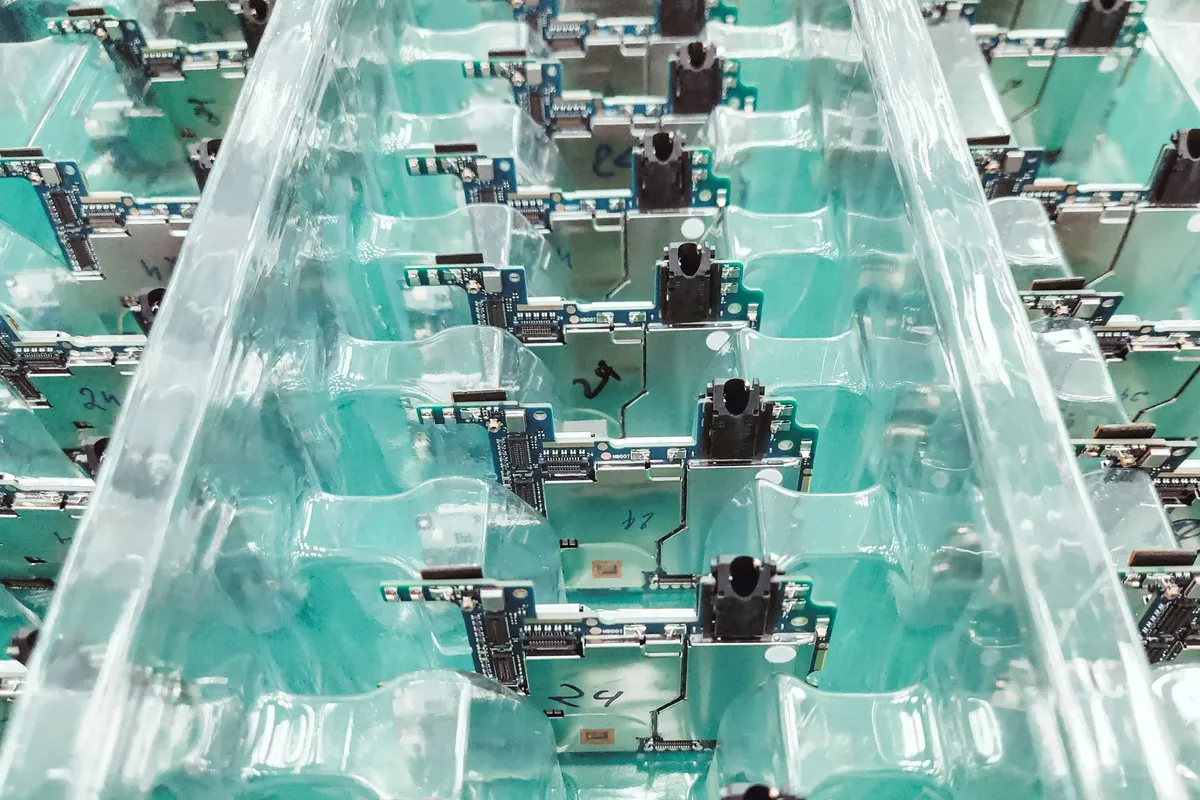
However, SK Hynix has managed to defy these trends, largely due to its critical role in the semiconductor market. As a leading manufacturer of memory chips, the company produces high-bandwidth memory (HBM), which is essential for AI-enabled graphics processing units (GPUs). Nvidia, a major player in the AI space, counts on SK Hynix as a primary supplier, further solidifying the company's status in the market.
Investment Plans and Future Growth
The funds raised from this monumental IPO are earmarked for significant investments aimed at expanding SK Hynix's manufacturing capabilities. The company plans to allocate the capital in three key areas:
- New Fabrication Facility in South Korea: This facility is currently under construction and is designed to address the global shortage of memory chips exacerbated by the surge in AI-related applications.
- New Packaging Facility: Efficient packaging is crucial for chip performance and reliability, and this new facility aims to enhance production capabilities.
- Investment in EUV Scanners: Extreme Ultraviolet (EUV) lithography is a cutting-edge technology that enables the production of next-generation semiconductor chips.
These investments not only bolster SK Hynix's production capacity but also position the company to be a leader in the rapidly evolving memory chip sector, which is expected to see significant growth as AI technologies continue to advance.
The U.S. Semiconductor Landscape
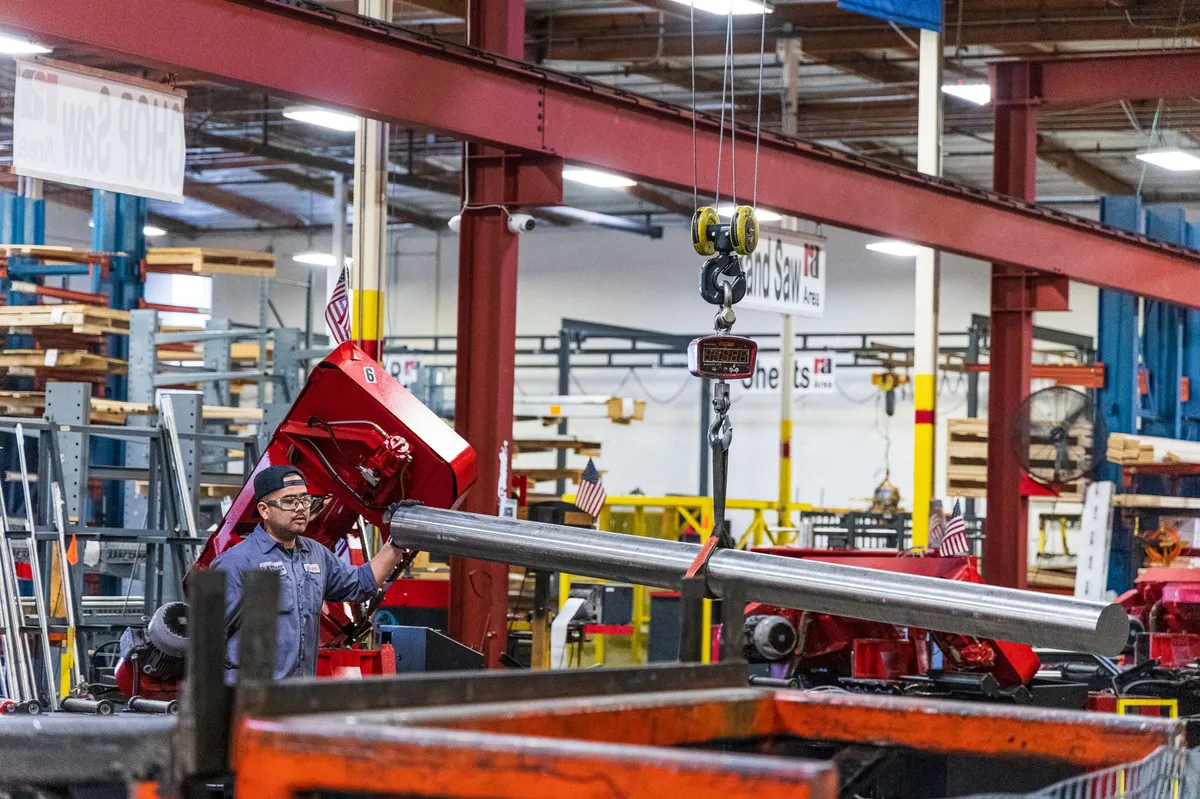
Amidst SK Hynix's landmark IPO, U.S. Commerce Secretary Howard Lutnick has been vocal about the need for American chip manufacturers to ramp up production capabilities. In a recent event with Micron Technology, a major competitor to SK Hynix, Lutnick emphasized the importance of domestic manufacturing. He revealed that discussions are underway with both SK Hynix and Samsung—two of the largest memory chip manufacturers in the world—about the possibility of establishing new production facilities in the United States.
These discussions come at a critical juncture, as Micron announced its own ambitious plan to invest $250 billion in U.S. manufacturing over the next decade. This commitment is projected to create over 90,000 jobs and enhance the country's competitive edge in semiconductor production.
The Global Memory Chip Market
The global memory chip market is undergoing unprecedented changes, driven by the escalating demand for AI technologies, cloud computing, and high-performance computing. According to industry analysts, the memory chip market is expected to grow exponentially, fueled by:
- Increased AI Adoption: As companies integrate AI into their operations, the need for high-capacity memory chips will rise.
- Cloud Services Growth: The expansion of cloud computing services necessitates robust memory solutions to handle vast amounts of data.
- 5G Technology Rollout: The deployment of 5G networks will further drive demand for advanced memory chips capable of supporting high-speed data processing.
As the landscape evolves, companies like SK Hynix and Micron are positioned to play pivotal roles in shaping the future of the semiconductor industry. The ability to scale production and innovate will be key factors in determining which players emerge as leaders in this dynamic market.

Key Takeaways
- SK Hynix raised $26.5 billion in the largest foreign IPO in U.S. history, highlighting the significant role of memory chips in today's tech landscape.
- The company plans to invest the IPO proceeds in new manufacturing facilities and advanced technologies to meet growing demand.
- U.S. officials are advocating for increased domestic semiconductor manufacturing to compete with South Korean giants like SK Hynix and Samsung.
- The global memory chip market is set to grow rapidly, driven by AI, cloud computing, and the rollout of new technologies like 5G.
Frequently Asked Questions
What does SK Hynix's IPO mean for the semiconductor industry?
SK Hynix's IPO is a significant milestone that underscores the increasing importance of memory chips, especially in the context of AI and high-performance computing. The successful raise of $26.5 billion may encourage other semiconductor companies to pursue IPOs or increase their investment in R&D, leading to accelerated innovation within the industry.
How will the raised funds be utilized by SK Hynix?
The funds from the IPO will be allocated towards building a new fabrication facility in South Korea, establishing a new packaging facility, and acquiring EUV scanners. These investments are crucial for maintaining a competitive edge and addressing the global memory chip shortage.
What are the implications of the U.S. government's focus on semiconductor manufacturing?
The U.S. government's emphasis on boosting domestic semiconductor production is a strategic move to reduce reliance on foreign manufacturers like SK Hynix and Samsung. By fostering a robust U.S. semiconductor ecosystem, the government aims to enhance national security and ensure the country remains competitive in technology development.
How does the Korea Discount affect South Korean companies?
The Korea Discount refers to the tendency of South Korean companies to be undervalued in the stock market compared to their global peers. Factors such as complex governance structures, low shareholder returns, and geopolitical risks contribute to this discount. However, SK Hynix's successful IPO indicates that companies can overcome these challenges with strong market demand and strategic positioning.
Comments
Emerging Rocket Launches: A New Era for Space Exploration
As the global space race heats up, new rocket launches are on the horizon, including significant efforts from Asia and Europe. Notable upcoming launches include China's Long March 10B and India's Vikram-1, alongside Germany's Rocket Factory Augsburg's renewed efforts.

Related articles
Popular in Cloud Computing
- Kubernetes and the Future of Desktop Infrastructure: A Paradigm Shift
- Amazon Expands Partnership with Nvidia, Tripling GPU Orders Amid AI Demand Surge
- Elon Musk's Evolving Relationship with Anthropic: A New Era for AI Hosting
- Emerging Rocket Launches: A New Era for Space Exploration
- How QuantumDiamonds is Transforming Chip Manufacturing with Quantum Technology