Antares Secures $470M to Pioneer Nuclear Power for U.S. Military
Antares Nuclear has raised $470 million to develop small modular reactors for U.S. military bases, highlighting a shift toward advanced nuclear technologies amid growing energy demands.
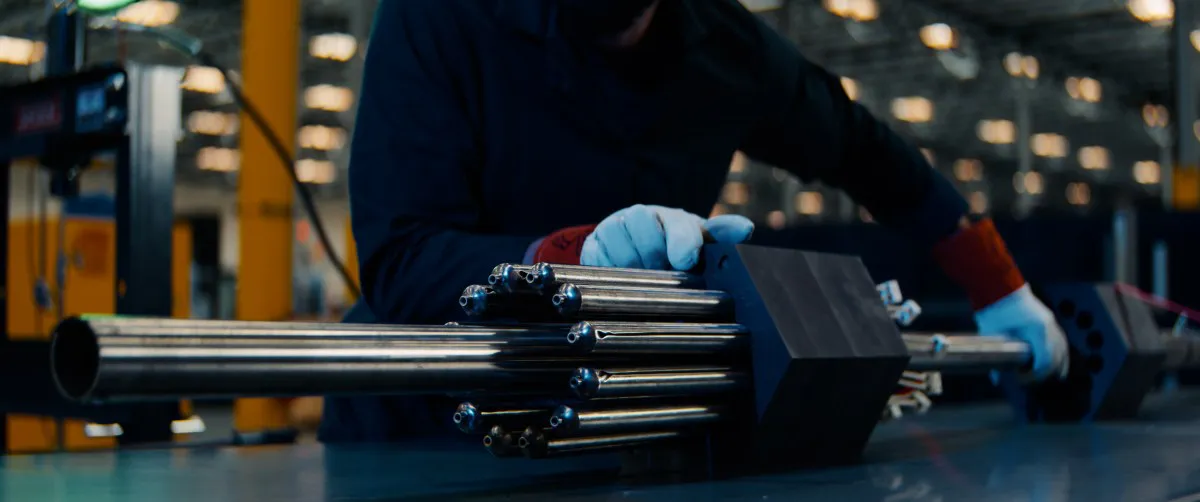
In an ambitious move toward redefining military energy infrastructure, Antares Nuclear has successfully secured $470 million in a Series C funding round, aimed at developing small modular reactors (SMRs) for U.S. military bases. This funding, primarily led by Paradigm and Caffeinated Capital, signals a robust investor belief in the future of nuclear energy, particularly in the context of increasingly power-hungry military operations and the electrification of the broader economy. With this investment, Antares is poised to address not just energy needs but also the strategic imperative of energy independence for the U.S. armed forces.
The funding round comprised $370 million in equity and $100 million in debt, underscoring the financial community's growing interest in advanced nuclear technologies. As global electricity demands surge, particularly driven by the rise of data centers and the electrification of transportation and utilities, companies like Antares are positioned as key players in the future energy landscape.
Understanding Small Modular Reactors
Antares Nuclear specializes in small modular reactors, which are designed to produce between 100 kilowatts and 1 megawatt of electricity—enough to power approximately 750 homes. These reactors utilize a novel fuel technology known as TRISO (TRi-structural ISOtropic) fuel, which encapsulates uranium within layers of carbon and ceramic shells. This design not only enhances safety by resisting fuel melting but also allows for cooling via gases like helium or molten salts, making them suitable for a variety of operational environments.
The company’s demonstration reactor, the Mark-0, achieved criticality in June 2026 at the Idaho National Laboratory, marking a significant milestone in its development journey. Furthermore, Antares has emerged as one of three finalists in the Pentagon’s Advanced Nuclear Power for Installations program, which seeks to test SMRs at Air Force bases located in Colorado and Montana. This initiative aligns with broader military goals of enhancing energy security and resilience while reducing dependence on fossil fuels.
The Broader Market Context
The interest in nuclear energy, particularly fission, is gaining momentum as electricity demand escalates. The landscape is not limited to Antares; competitors like X-energy have also made headlines by raising substantial funds, such as a recent $1 billion through an IPO. Other companies, including Radiant Energy, Standard Nuclear, and Last Energy, have secured significant investments, demonstrating a robust appetite for nuclear innovation.
However, the advanced nuclear sector faces several challenges that could impede its commercial success. One of the primary hurdles is the immature supply chain in the U.S. for reactor components, coupled with the complexities of scaling production. Many SMR developers tout the advantages of mass manufacturing, which is expected to drive down costs significantly. Yet, the realization of these cost reductions typically requires a decade or more, and no startup has reached that critical threshold yet.
The Financial Landscape and Military Contracts
Despite the challenges, the decision by Antares to pursue contracts with the U.S. military is strategic. The military is known for being a price-insensitive customer, providing a stable revenue stream necessary for the nascent industry. The pricing dynamics in the energy sector are complex; for instance, Lazard’s analyses suggest that new SMRs could cost around $214 per megawatt hour, making them less competitive against newer gas turbine plants unless substantial operational efficiencies are achieved.
Antares has not disclosed its pricing structure yet, but the military's backing could offer a buffer against the volatile pricing seen in the commercial energy market. By focusing on military installations, Antares can leverage long-term contracts and stable funding to accelerate its technological development.
The Future of Nuclear Energy
The future of nuclear energy, particularly through the lens of small modular reactors, appears promising yet fraught with uncertainty. As Antares aims to bring its first electricity-producing reactor online by 2027, the strategic importance of nuclear power in military applications cannot be overstated. The U.S. military's shift towards energy independence through innovative technologies could serve as a template for civilian applications as well.
Moreover, the potential for nuclear energy to provide a stable, low-carbon energy source aligns with global sustainability goals, making it a vital piece of the energy puzzle moving forward. As the world grapples with climate change and energy security, the advancement of technologies like those from Antares could play a pivotal role in shaping future energy landscapes.

Key Takeaways
- Antares Nuclear has raised $470 million to develop small modular reactors for U.S. military bases.
- The company's reactors use TRISO fuel, known for its safety and cooling capabilities.
- Antares is a finalist in the Pentagon’s Advanced Nuclear Power for Installations program.
- Challenges in commercialization include an immature supply chain and cost competitiveness.
- Military contracts provide a stable revenue stream, essential for the nuclear startup ecosystem.
Frequently Asked Questions
What are small modular reactors (SMRs)?
Small modular reactors (SMRs) are a type of nuclear reactor designed to produce less energy compared to traditional nuclear plants. Typically, they generate between 100 kilowatts to 1 megawatt of electricity, making them suitable for localized energy needs. Their design is modular, allowing for factory production and easier deployment, which can lead to cost savings and efficiency improvements over time.
Why is Antares focusing on military contracts?
The U.S. military represents a unique opportunity for Antares Nuclear due to its price-insensitive nature. By securing contracts with the military, Antares can stabilize its revenue stream and mitigate financial risks associated with developing new technologies. The military's long-term operational requirements for reliable, resilient energy sources align well with the capabilities offered by SMRs.
What are the main challenges facing advanced nuclear startups?
Advanced nuclear startups like Antares face several hurdles, including a lack of an established supply chain for reactor components, the complexities involved in scaling production, and the challenge of achieving cost competitiveness with existing energy sources. Additionally, regulatory hurdles and public perception issues surrounding nuclear energy can also impede progress in the sector.
What is TRISO fuel and why is it important?
TRISO fuel, or TRi-structural ISOtropic fuel, is a type of nuclear fuel known for its safety features. It encapsulates uranium in layers of carbon and ceramic, which helps prevent fuel melting and allows for effective cooling. The safety and performance characteristics of TRISO fuel make it a compelling choice for advanced nuclear technologies like those being developed by Antares, as it enhances the overall reliability of the reactors.
Comments
FCC Exemption for SpaceX's Starlink Routers: Implications and Insights
The FCC has exempted SpaceX's Starlink routers from a ban on foreign-made devices, allowing for continued production and sales. This article explores the implications of this decision for the tech industry and national security.

Related articles


Popular in Cloud Computing
- SK Hynix's Historic $26.5 Billion IPO: A New Era for Memory Chips
- Kubernetes and the Future of Desktop Infrastructure: A Paradigm Shift
- Amazon Expands Partnership with Nvidia, Tripling GPU Orders Amid AI Demand Surge
- Elon Musk's Evolving Relationship with Anthropic: A New Era for AI Hosting
- Emerging Rocket Launches: A New Era for Space Exploration