Powering the Future: Insights from TechCrunch Disrupt 2026's Smart Systems Stage
As AI technology surges forward, the demand for energy infrastructure has become a critical challenge. Discover key discussions and innovations related to AI's energy needs at TechCrunch Disrupt 2026.
As artificial intelligence continues to evolve and integrate into various sectors, one challenge looms larger than others: the pressing need for robust and sustainable energy infrastructure. This theme will be front and center at the upcoming TechCrunch Disrupt 2026, taking place from October 13-15 at San Francisco's Moscone Center. The Smart Systems Stage will serve as a pivotal platform where technology, energy, and innovation intersect, focusing on the critical pressures AI is placing on our existing energy grid and the solutions being devised to meet these challenges.
With participation from industry leaders such as Commonwealth Fusion Systems, Helion, and Bloom Energy, the agenda promises in-depth discussions on commercial fusion breakthroughs and the modernization of our aging infrastructure. As we prepare for what is sure to be a thought-provoking event, let’s dive into the specifics of what attendees can expect from this year's Smart Systems Stage.
Understanding the Growing Energy Demands of AI
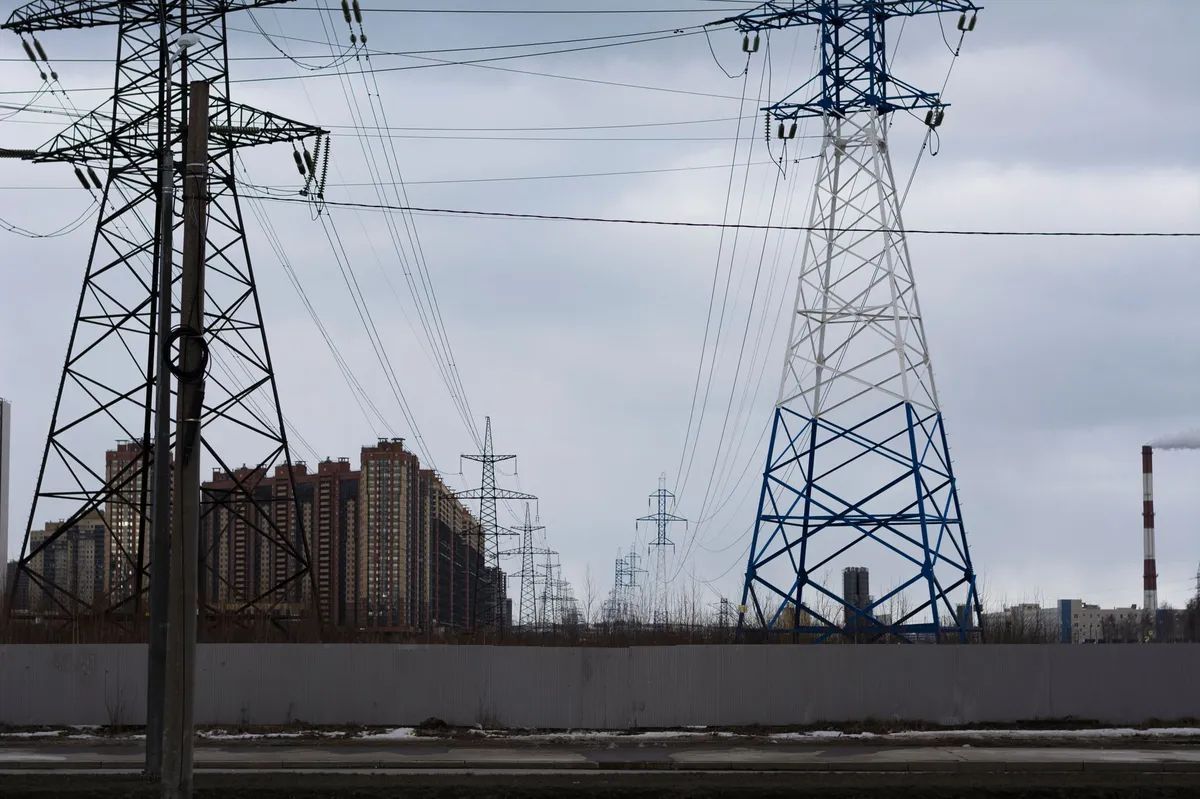
AI technologies, from machine learning models to complex data analytics, require substantial amounts of computational power, which in turn necessitates significant energy consumption. As organizations increasingly rely on AI, the demand for electricity is rising at an unprecedented rate. According to the International Energy Agency (IEA), data centers, which are the backbone of AI operations, consumed about 200 terawatt-hours (TWh) of electricity globally in 2021, and this figure is expected to grow sharply as AI applications proliferate.
This increasing demand is creating a bottleneck for energy resources, as traditional power grids struggle to keep pace with the rapid advancements in AI technology. Disrupt 2026 will address these concerns head-on, showcasing how companies are racing against time to find sustainable solutions that can support the next generation of AI innovations.

Fusion Power: The Next Frontier
One of the most exciting discussions at the Smart Systems Stage will center around the potential of commercial fusion energy. With leaders from Commonwealth Fusion Systems and Helion sharing insights, attendees will learn about the latest breakthroughs in fusion technology and the significant challenges that remain. Fusion power, heralded as a cleaner and virtually limitless source of energy, could revolutionize how we power our data centers and tech infrastructures.
Fusion energy works by replicating the processes that power the sun, merging atomic nuclei to release energy. Unlike traditional nuclear fission, which splits atoms and produces hazardous waste, fusion produces minimal radioactive waste and has a lower risk of catastrophic failure. However, achieving a sustainable and economically viable fusion reaction has proven elusive, making discussions at the conference both timely and critical.
Key Challenges Ahead
- Scaling Production: Transitioning from experimental fusion reactors to commercially viable power plants.
- Investment Needs: Attracting sufficient funding to support long-term research and development.
- Infrastructure Integration: Developing systems to connect fusion power to existing grids.
Modernizing the Power Grid
As part of the Smart Systems agenda, a panel discussion will focus on the urgent need to modernize our electrical grid. With speakers like Drew Baglino, CEO of Heron Power, and Apoorv Bhargava, CEO of WeaveGrid, attendees will gain insights into how utilities and startups are innovating to create a more resilient and flexible power system.
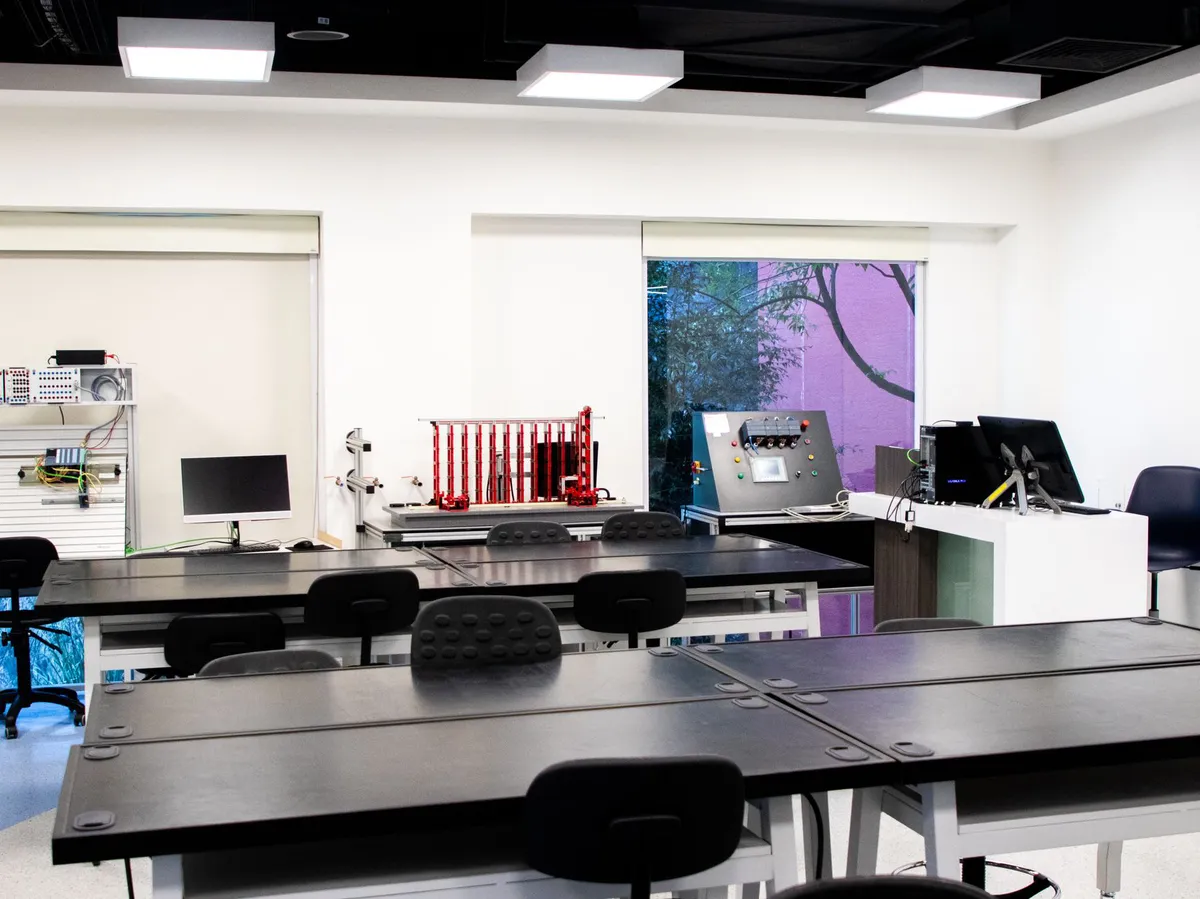
The current grid infrastructure was designed decades ago and is ill-equipped to handle the surging demand from both AI and renewable energy sources. Modernizing this infrastructure involves not only upgrading physical components but also incorporating smart technologies that can optimize energy distribution and consumption.
Investment Trends
Investors are increasingly looking towards companies that are pioneering technologies aimed at revamping energy systems. From smart meters that provide real-time data to advanced grid management software, the landscape is ripe for innovation. This panel will explore where the most significant investments are flowing and what technologies are set to disrupt the energy sector.
Data Center Operators: The Energy Conundrum
Data center operators are at the forefront of the struggle to secure energy resources as demand skyrockets. As AI applications continue to expand, these facilities face pressure to increase capacity while simultaneously reducing carbon footprints. The Smart Systems Stage will feature discussions led by industry veterans like Sara Spangelo, President of Ambrosia Energy, and Bill Thayer, Senior Vice President at Bloom Energy, who will share their experiences in navigating this complex landscape.
Data centers are responsible for a significant amount of global electricity consumption, and as such, their energy strategies are critical to the overall sustainability of AI technologies. The conversation will focus on how these operators can balance the need for power with environmental considerations. For example, the adoption of renewable energy sources and energy-efficient technologies is becoming more prevalent as companies strive to minimize their environmental impact.
Strategies for Sustainability
- Renewable Energy: Investing in solar and wind energy to power data centers.
- Energy Efficiency: Implementing advanced cooling solutions and optimizing server performance.
- Carbon Offsets: Engaging in carbon credit markets to mitigate environmental impact.
Why Attend TechCrunch Disrupt 2026?
For founders, investors, and technology enthusiasts, attending TechCrunch Disrupt 2026 offers a unique opportunity to gain insights into the future of AI and energy infrastructure. The Smart Systems Stage is tailored for those who want a comprehensive understanding of the challenges and opportunities that lie ahead.
This year's event will not only feature leading experts and thought leaders but also provide networking opportunities that can foster collaboration and innovation. By participating, attendees will be part of a dynamic community seeking to address the pressing issues at the intersection of technology and energy.
Key Takeaways
- The demand for energy to support AI technologies is rising rapidly, creating significant challenges for existing infrastructure.
- Commercial fusion power is a promising solution, but it faces hurdles in scaling and integration with current energy systems.
- Modernizing the power grid is essential for accommodating the increased energy needs of AI and renewables.
- Data center operators are exploring sustainable strategies to meet energy demands while minimizing their carbon footprint.
Frequently Asked Questions
What is the Smart Systems Stage at TechCrunch Disrupt 2026?
The Smart Systems Stage is a dedicated platform at TechCrunch Disrupt 2026 that focuses on the intersection of energy, infrastructure, and AI technology. It will feature discussions and panels led by industry leaders addressing the current challenges and innovations in energy systems related to the growth of AI.
How can I register for TechCrunch Disrupt 2026?
You can register for TechCrunch Disrupt 2026 through the official TechCrunch website. Early bird tickets are available at discounted rates, and attendees can gain access to all stages and networking events during the three-day conference.
What are the biggest energy challenges facing AI today?
Some of the biggest challenges include the rapid increase in electricity demand that outpaces current grid capacity, the need for sustainable energy solutions, and the integration of emerging technologies like fusion power into existing infrastructure. These challenges necessitate innovative approaches and investments from both the public and private sectors.
Why is fusion energy considered a viable solution for the future?
Fusion energy is regarded as a viable solution due to its potential to provide a near-limitless and clean source of energy. Unlike fossil fuels and traditional nuclear power, fusion produces minimal waste and does not emit greenhouse gases, making it an attractive option for powering the future of AI and technology.
Comments
FCC Exemption for SpaceX's Starlink Routers: Implications and Insights
The FCC has exempted SpaceX's Starlink routers from a ban on foreign-made devices, allowing for continued production and sales. This article explores the implications of this decision for the tech industry and national security.

Related articles

Popular in Cloud Computing
- SK Hynix's Historic $26.5 Billion IPO: A New Era for Memory Chips
- Kubernetes and the Future of Desktop Infrastructure: A Paradigm Shift
- Amazon Expands Partnership with Nvidia, Tripling GPU Orders Amid AI Demand Surge
- Elon Musk's Evolving Relationship with Anthropic: A New Era for AI Hosting
- Emerging Rocket Launches: A New Era for Space Exploration