Thea Energy Secures $20M Grant to Revolutionize Fusion Reactor Technology
Thea Energy, a promising fusion power startup, has received a $20 million grant from the Department of Energy to advance its modular superconducting magnets. This funding is poised to enhance the company's efforts in developing a commercially viable fusion reactor, utilizing innovative designs that could significantly reduce manufacturing costs.
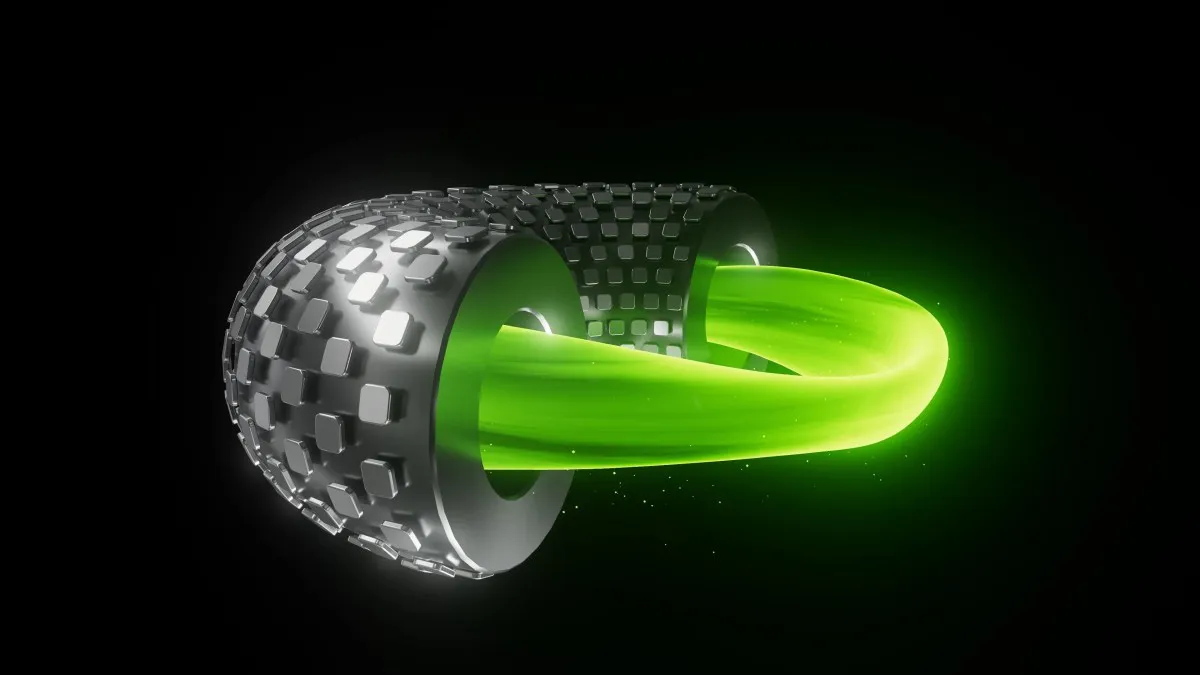
In a significant leap forward for fusion energy, Thea Energy, a burgeoning startup at the forefront of hard-tech innovation, has secured a $20 million grant from the U.S. Department of Energy (DOE) through the Advanced Research Projects Agency-Energy (ARPA-E). This funding is earmarked for the production of high-temperature superconducting (HTS) magnets, a critical component for the company's ambitious plans to develop a viable fusion power reactor. With fusion energy touted as a potential game-changer in the quest for clean, sustainable energy, Thea Energy's advancements could play a crucial role in the broader energy landscape.
Fusion power—the process that powers the sun—holds the promise of providing an almost limitless source of energy without the harmful emissions associated with fossil fuels. The challenge lies in creating the necessary conditions for fusion to occur: extremely high temperatures and pressures that can sustain the reaction. Thea Energy's approach, centered around a stellarator design, aims to achieve this through sophisticated magnetic confinement, which keeps the hot plasma stable and contained.
Understanding Magnetic Confinement and Stellarators
At the heart of Thea Energy's strategy is the use of magnetic confinement to maintain the turbulent plasma required for fusion. In simple terms, magnetic confinement reactors utilize strong magnetic fields to contain and compress plasma—an ionized state of matter similar to gas but with charged particles. This plasma needs to be heated to temperatures exceeding 150 million degrees Celsius, several times hotter than the core of the sun, enabling the fuel atoms to collide and fuse, releasing vast amounts of energy.
The stellarator design, which Thea is adopting, is unique in its configuration. Unlike traditional tokamak reactors, which are doughnut-shaped and require complex pulsed magnetic fields, stellarators feature twisted and turned shapes that allow for a more stable and continuous operation. This characteristic makes them less prone to disruptions that can halt the fusion process. However, the intricate shapes also mean that the magnets required to create these fields are complex and expensive to manufacture, presenting a significant hurdle for startups in the fusion space.

Cost-Effective Manufacturing Through Innovative Design
Thea Energy is tackling the challenge of high manufacturing costs head-on. By simplifying the design and reducing the number of different magnet variants, the company aims to bring down production costs significantly. Specifically, Thea's reactor will utilize just 12 large magnets based on four different templates, along with over 300 smaller magnets that are all identical. This uniformity not only simplifies the manufacturing process but also allows for greater flexibility in construction tolerances, which can further reduce costs and increase reliability.
The smaller magnets, which fine-tune the plasma confinement, are controlled by sophisticated software systems. This innovative approach could potentially minimize errors in the construction process, allowing for a more manageable and cost-effective production pipeline. By leveraging software control, Thea Energy is positioning itself to streamline operations and optimize performance, paving the way for a more feasible route to commercial fusion energy.

The Landscape of Fusion Power Startups
Thea Energy is not alone in the race for fusion power; the landscape is becoming increasingly populated with various startups all vying for a breakthrough. In May 2026, Thea raised an impressive $100 million in funding, building on its previous $20 million Series A round secured in 2024. These substantial investments signal increasing confidence from investors in the viability of fusion as a commercially available energy source.
Other notable players in the fusion startup arena include Helion Energy, TAE Technologies, and Commonwealth Fusion Systems, each pursuing different approaches to harnessing fusion power. As these companies develop their technologies, the competition will likely accelerate innovation, driving down costs and improving efficiency across the board. The potential for fusion energy to reshape the global energy landscape is immense, and successful startups like Thea could play a pivotal role in this transition.

Future Prospects for Fusion Energy
Thea Energy's ambitious plans do not stop at the successful development of its magnets and reactor design. The company has outlined its goal to build a commercial-scale fusion power plant by the mid-2040s. Achieving this target would mark a monumental achievement in the quest for clean energy, potentially providing a sustainable solution to the world's growing energy demands.
However, the road ahead is fraught with challenges. Beyond technological hurdles, regulatory approval, public perception, and safety concerns will play significant roles in determining the feasibility of fusion power plants. The Department of Energy's backing through grants like the one awarded to Thea is crucial, as it not only provides financial support but also lends credibility to the fledgling industry.
Key Takeaways
- Thea Energy secured a $20 million DOE grant to develop high-temperature superconducting magnets for fusion reactors.
- The company’s stellarator design aims to enable stable and continuous fusion reactions.
- By simplifying magnet production, Thea aims to reduce costs and improve efficiency in manufacturing processes.
- The fusion energy startup landscape is rapidly evolving, with increasing investments and competition.
- Thea plans to construct a commercial-scale fusion power plant by the mid-2040s, aiming to revolutionize clean energy.
Frequently Asked Questions
What is fusion energy and why is it important?
Fusion energy is the process of combining light atomic nuclei to form heavier nuclei, releasing energy in the process. It is important because it offers a potential source of nearly limitless energy, with minimal environmental impact compared to fossil fuels or nuclear fission. Successful harnessing of fusion could play a critical role in addressing climate change and meeting future energy demands sustainably.
How do high-temperature superconducting magnets contribute to fusion reactors?
High-temperature superconducting (HTS) magnets are essential for creating the strong magnetic fields needed to confine and stabilize the plasma within fusion reactors. These magnets can operate at higher temperatures than traditional superconductors, which allows for more efficient and compact designs, making them particularly valuable in the complex environments of fusion reactors.
What are the challenges facing fusion power startups like Thea Energy?
Fusion power startups face multiple challenges, including high manufacturing costs, technological hurdles related to plasma confinement, regulatory approvals, and public acceptance. Additionally, the complexity of fusion technology demands significant investment and expertise, making it essential for these companies to secure substantial funding and navigate a competitive landscape effectively.
When can we expect commercial fusion power plants to become a reality?
While exact timelines are difficult to predict, many experts suggest that commercial fusion power plants could become a reality by the 2040s or 2050s. This timeline depends on breakthroughs in technology, sustained investment, and successful pilot projects that demonstrate the feasibility of fusion energy as a viable power source for the grid.
Comments
FCC Exemption for SpaceX's Starlink Routers: Implications and Insights
The FCC has exempted SpaceX's Starlink routers from a ban on foreign-made devices, allowing for continued production and sales. This article explores the implications of this decision for the tech industry and national security.

Related articles


Popular in Cloud Computing
- SK Hynix's Historic $26.5 Billion IPO: A New Era for Memory Chips
- Kubernetes and the Future of Desktop Infrastructure: A Paradigm Shift
- Amazon Expands Partnership with Nvidia, Tripling GPU Orders Amid AI Demand Surge
- Elon Musk's Evolving Relationship with Anthropic: A New Era for AI Hosting
- Emerging Rocket Launches: A New Era for Space Exploration