Measles Outbreak in Pennsylvania: A Wake-Up Call for Vaccination Awareness
The recent measles deaths in Pennsylvania highlight the urgent need for improved vaccination rates. This article examines the implications of the outbreak, its historical context, and the importance of the MMR vaccine in preventing such tragedies.
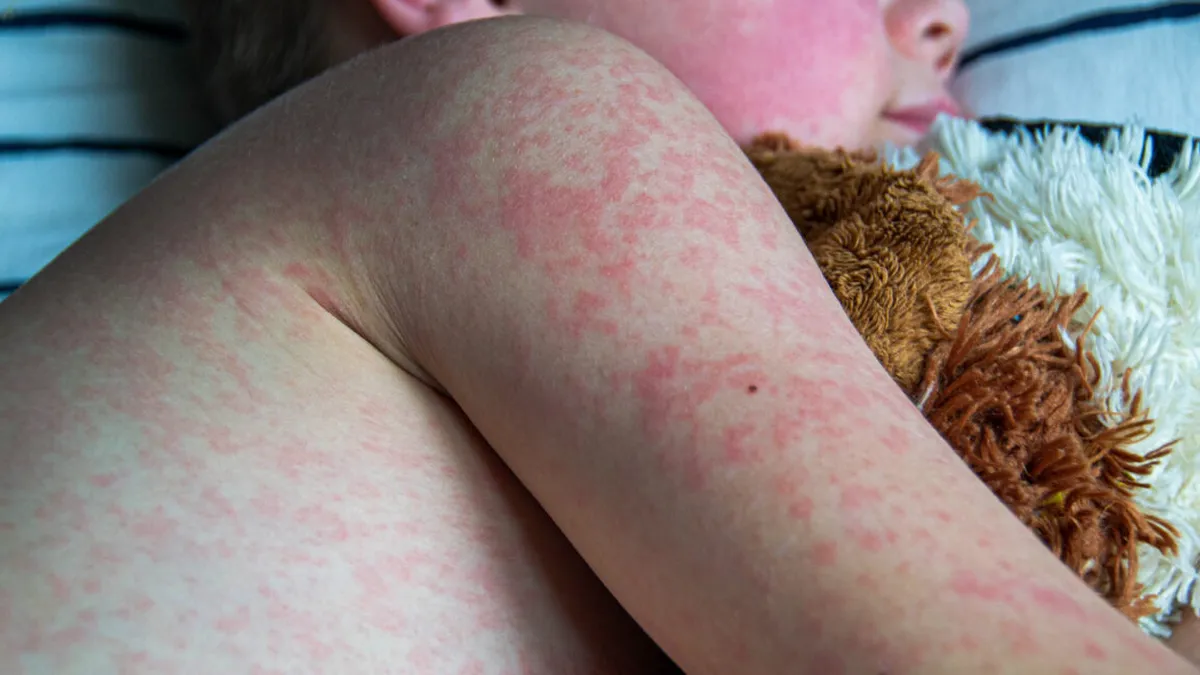
The tragic deaths of two unvaccinated individuals in Pennsylvania due to measles have sent shockwaves through the community and raised alarm bells nationwide. This incident marks a grim milestone as the first measles-related fatalities reported in the state in 35 years and the first in the United States for 2026. With vaccination rates declining and the resurgence of preventable diseases, this outbreak serves as a crucial reminder of the importance of immunization and public health awareness.
In 2026, the U.S. has already recorded over 2,777 measles cases, the highest count since 1991. This alarming trend underscores the urgency for parents and individuals to understand the significance of vaccination against this highly contagious virus. State health officials have confirmed these deaths are part of a larger outbreak, with 393 confirmed cases reported across 28 counties in Pennsylvania alone. The statistics paint a troubling picture, revealing that vaccination rates have dipped to around 92 percent nationally, significantly below the 95 percent threshold necessary to prevent outbreaks.
The Historical Context of Measles in the U.S.
Measles was declared eliminated in the United States in 2000, a testament to the effectiveness of widespread vaccination campaigns. However, the re-emergence of the disease can be traced back to increasing vaccine hesitancy fueled by misinformation and disinformation campaigns. Notably, in Pennsylvania, vaccination rates against measles have plummeted from 96.7 percent in 2017 to a mere 92.7 percent in 2026. In Lancaster County, where the deaths occurred, the situation is even more dire, with only 87.6 percent of kindergartners fully vaccinated.
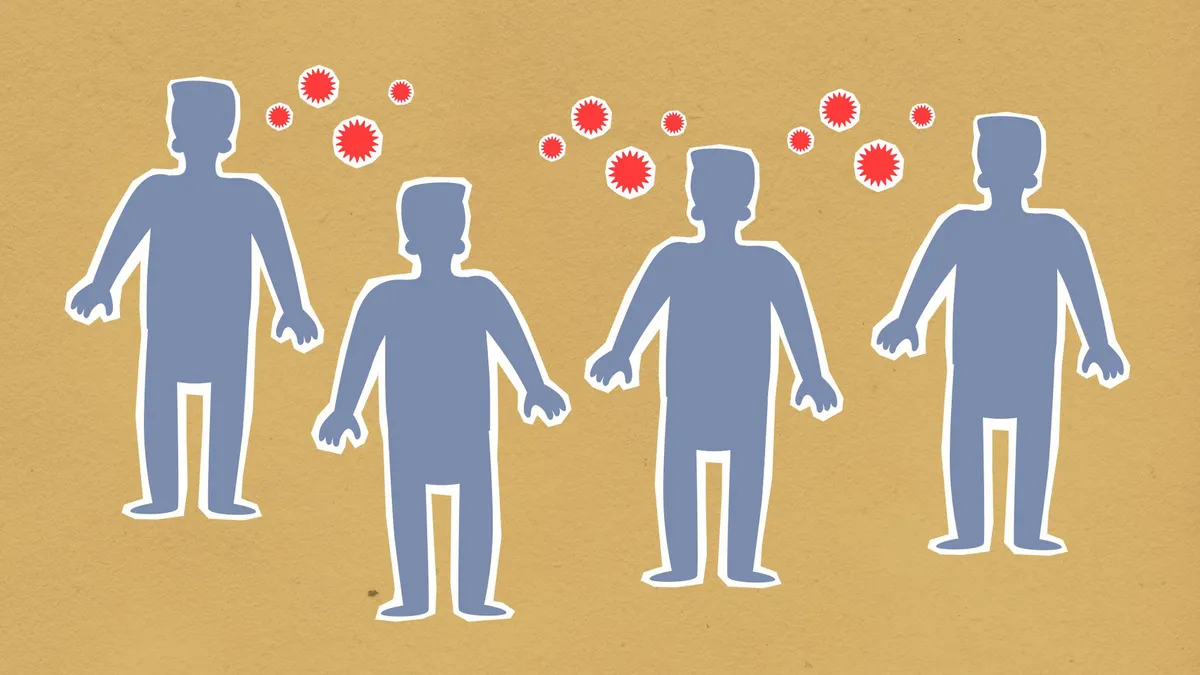
The virus is notorious for its contagiousness; it can spread through respiratory droplets and remain viable in the air for up to two hours after an infected person has left the room. With one infected individual able to infect 12 to 18 others, the rapid transmission of measles can quickly lead to outbreaks in communities with low vaccination rates.
The Consequences of Vaccine Hesitancy
The recent fatalities highlight the severe consequences of vaccine hesitancy. Pennsylvania Secretary of Health Dr. Debra Bogen expressed condolences to the families of the deceased while emphasizing the need for public education on measles. “Because measles was largely eliminated in the Commonwealth for more than three decades, people are not familiar with this disease and don’t fully understand the potential severity of the illness,” she stated. The reality is that measles, while preventable, can lead to serious complications, including hospitalizations, hearing loss, and even death.
Measles Complications and Risks
While fatalities from measles are rare, occurring in approximately 1 to 3 in every 1,000 cases, the disease can lead to severe health complications, including:
- Pneumonia: The most common cause of death from measles, it can occur in about 1 in 20 infected children.
- Encephalitis: A serious brain infection that can result in lasting neurological damage.
- Subacute sclerosing panencephalitis (SSPE): A rare but fatal condition that can develop 7 to 10 years after a measles infection.
- Diarrhea: Occurring in about 1 in 10 cases, it can lead to severe dehydration.
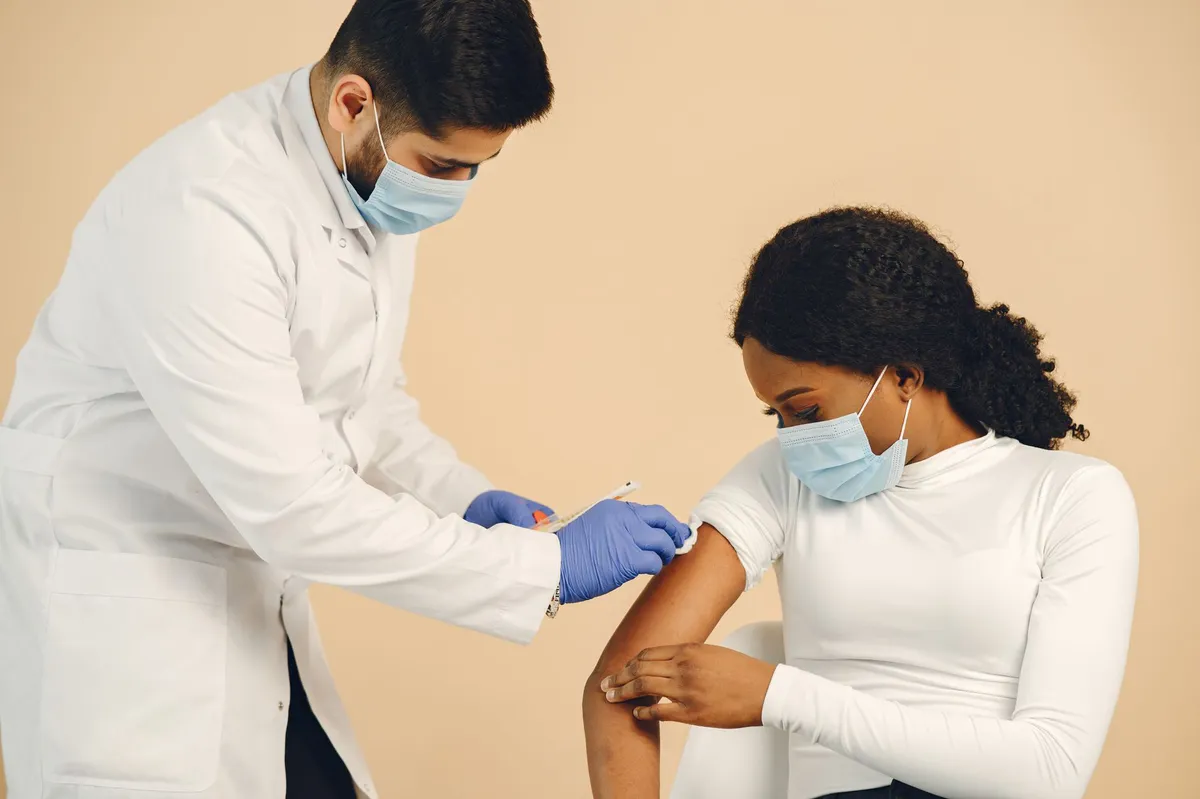
These potential outcomes underline the importance of vaccination. The Measles, Mumps, and Rubella (MMR) vaccine is proven to be 97 percent effective after two doses, providing robust protection against measles.
The Role of Misinformation and Public Perception
Despite the overwhelming evidence supporting the safety and efficacy of vaccines, misinformation continues to plague public perception. Anti-vaccine rhetoric has gained traction, fueled by prominent figures disseminating false claims about vaccine safety. For instance, Robert F. Kennedy Jr., a vocal anti-vaccine activist, has been influential in spreading doubts about vaccines, including the MMR vaccine. Additionally, former President Donald Trump recently made misleading statements regarding vaccine safety, further eroding public trust.
This misinformation creates a dangerous environment where vaccine hesitancy flourishes. It is crucial for public health officials and healthcare providers to counteract these narratives with clear, factual information about the safety and necessity of vaccinations. The MMR vaccine has undergone extensive testing and has been safely administered to millions of children worldwide, with no proven links to fatalities in individuals with competent immune systems.

Strategies for Improving Vaccination Rates
To combat the rising tide of vaccine hesitancy and improve vaccination rates, several strategies can be employed:
- Community Engagement: Partnering with local organizations to host informational sessions about the benefits of vaccination.
- Healthcare Provider Education: Equipping healthcare providers with resources to effectively communicate the importance of vaccines to patients and their families.
- Policy Advocacy: Supporting policies that promote vaccination, such as removing non-medical exemptions.
- Targeted Outreach: Focusing on high-risk communities with low vaccination rates through tailored outreach efforts.
These strategies, when implemented effectively, can help restore public confidence in vaccinations and ultimately reduce the incidence of preventable diseases like measles.
Key Takeaways
- The recent measles deaths in Pennsylvania highlight a concerning decline in vaccination rates.
- Measles is highly contagious, with the potential for severe health complications.
- The MMR vaccine is safe and effective, providing crucial protection against measles.
- Misinformation about vaccines contributes significantly to vaccine hesitancy.
- Community education and advocacy are essential in improving vaccination rates.
Frequently Asked Questions
What is measles and how does it spread?
Measles is a highly contagious viral infection characterized by a distinct rash, high fever, and respiratory symptoms. It spreads through respiratory droplets when an infected person coughs or sneezes, making it easy to transmit in crowded settings. The virus can survive on surfaces and in the air for extended periods, further increasing the risk of outbreaks.
How effective is the MMR vaccine?
The MMR vaccine is highly effective, with studies showing that two doses provide about 97 percent immunity against measles. The vaccine also protects against mumps and rubella, making it a critical component of childhood immunization schedules. Healthcare professionals recommend administering the first dose at 12-15 months of age and the second dose at 4-6 years.
What should I do if my child has not been vaccinated?
If your child has not been vaccinated, it is essential to schedule an appointment with a healthcare provider as soon as possible. They can provide information on the vaccination schedule and address any concerns or misconceptions you may have about vaccines. Early vaccination is crucial to protect your child and the community from preventable diseases.
Why is vaccination important for community health?
Vaccination is vital for community health as it helps establish herd immunity, which protects vulnerable populations who cannot be vaccinated due to medical reasons. When vaccination rates are high, the spread of contagious diseases is minimized, reducing the risk of outbreaks. This collective immunity is crucial for safeguarding public health and preventing the resurgence of diseases like measles.
Comments
Misleading Antibody Marketing: The Hidden Crisis in Biomedical Research
A recent investigation reveals that many commercial antibody suppliers have manipulated images to promote their products, raising serious concerns about research integrity and reliability.
Related articles
Popular in Guides
- Boomers Lead the Charge in Alcohol Abstinence: Insights from New Research
- Understanding the Physics of Silly Sprinklers and Feynman's Reverse Sprinkler Puzzle
- The Coming Air-Conditioning Revolution in Europe: A Necessity or a Luxury?
- Hobbits of Flores: Scavengers or Skilled Hunters?
- US Citizens Infected with Ebola: A Shifting Response Landscape