Preserving Glow-in-the-Dark Art: A Scientific Journey
The preservation of glow-in-the-dark art and fashion, particularly by designers like Stephen Sprouse, highlights the intersection of scientific research and cultural heritage. Understanding the photochemistry behind these materials is essential for their conservation.
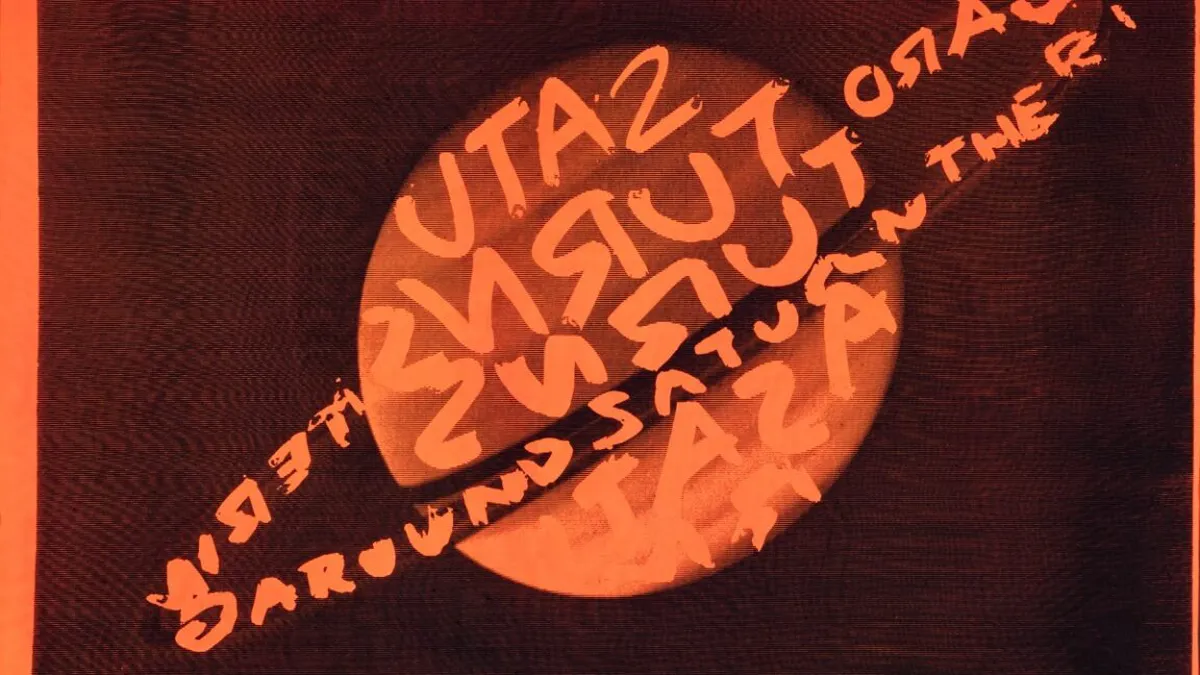
In the vibrant world of art and fashion, few phenomena capture the imagination quite like glow-in-the-dark materials. From the psychedelic designs of the 1980s to the contemporary creations that continue to dazzle audiences, these luminous artworks not only evoke nostalgia but also pose unique challenges for conservationists. Recently, at a meeting of the American Chemical Society in Chicago, scientists shared groundbreaking research focused on the preservation of these remarkable materials, particularly those created by the late designer Stephen Sprouse. Sprouse's bold use of phosphorescent and fluorescent pigments has made him an icon in the fashion world, but as these materials age, understanding their photochemical properties becomes crucial for their long-term preservation.
The Legacy of Stephen Sprouse
Stephen Sprouse, who passed away in 2004, was a pivotal figure in fashion during the 1980s, known for his distinctive blend of graffiti art and high fashion. His creations, characterized by vibrant Day-Glo colors and bold prints, found favor with celebrities like Debbie Harry and artists like Andy Warhol. Today, his work is preserved in the textiles collection of the Indianapolis Museum of Art at Newfields, where conservators are working to understand the specific chemical properties of his materials to ensure they do not fade into obscurity.

The Science of Glow: Phosphorescence and Fluorescence
Glow-in-the-dark materials employ two primary photochemical processes: phosphorescence and fluorescence. Phosphorescent materials absorb energy from light and re-emit it slowly, creating a glow that can last for hours after the light source is removed. Fluorescent materials, on the other hand, emit light almost instantaneously upon exposure to ultraviolet (UV) light, producing bright and vivid colors. This distinction is not merely academic; it influences how these materials are preserved and displayed.
Historical Context
The use of luminescent materials dates back centuries. The term “phosphor” was first coined in the Middle Ages, and notable discoveries, such as Henri Becquerel's work with phosphorescent uranium salts in 1896, laid the groundwork for modern applications. During World War II, DayGlo pigments became essential for military operations, used in fluorescent fabric panels for ground troops and on Navy aircraft carriers for nighttime landings. Artists and designers have since embraced these materials, with Sprouse leading the charge in the fashion industry.
Challenges in Preservation
The preservation of glow-in-the-dark art and fashion presents unique challenges. As Sarah Schmidtke Sobeck, a photochemist from The College of Wooster, explained at the ACS meeting, the optical brighteners that enhance fluorescent pigments degrade at a faster rate than the pigments themselves. This degradation can lead to a noticeable darkening of colors, even when the pigments remain intact. For conservators, this means not only matching colors under different lighting conditions but also understanding the nuanced ways in which these materials change over time.
Humidity and Its Impact
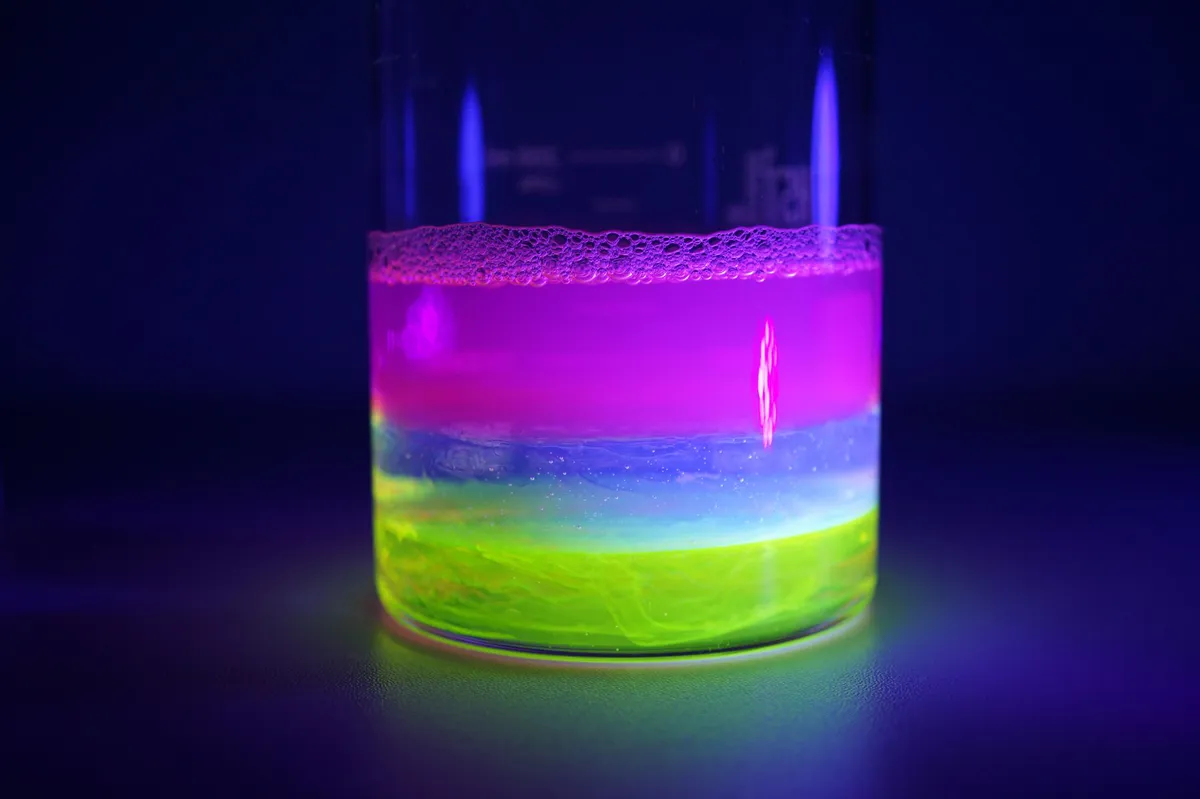
Recent research has revealed that humidity plays a significant role in the degradation of phosphorescent materials. This finding is crucial for museums and galleries, as it suggests that controlling environmental conditions can extend the lifespan of these artworks. High humidity levels can accelerate the breakdown of the inorganic compounds found in phosphorescent materials, leading to fading and loss of vibrancy. By optimizing storage and exhibition practices, conservators can better protect these unique pieces.
Future Directions in Conservation
The ongoing research into the photochemistry of glow-in-the-dark materials aims to develop more effective conservation strategies. One key focus is the testing of lithopone, a white pigment powder used in some phosphorescent materials. Understanding how long these materials can retain their glow after charging is essential for determining the best methods for their preservation.
Collaboration and Innovation
Collaborative efforts between chemists and conservators are crucial in this field. By combining scientific expertise with artistic insight, researchers can uncover new techniques for preserving the integrity of glow-in-the-dark art. This interdisciplinary approach not only enhances conservation practices but also enriches our understanding of the cultural significance of these materials.
Key Takeaways
- Understanding photochemistry: Knowledge of the unique properties of phosphorescent and fluorescent materials is essential for effective conservation.
- The role of humidity: Environmental factors like humidity significantly affect the longevity of glow-in-the-dark materials.
- Interdisciplinary collaboration: Partnerships between scientists and conservators lead to innovative preservation strategies.
- Historical significance: Glow-in-the-dark materials have played important roles in both military and artistic contexts.
- Future research: Ongoing studies will help refine conservation methods and enhance our appreciation of these vibrant artworks.
Frequently Asked Questions
What are the main differences between phosphorescence and fluorescence?
Phosphorescence and fluorescence are both processes by which materials emit light after absorbing energy, but they differ in the duration and mechanism of that emission. Phosphorescent materials release their stored energy slowly, resulting in a glow that can last for hours after the initial light source is removed. In contrast, fluorescent materials emit light almost instantaneously when exposed to UV light but stop glowing immediately when the light source is removed. This distinction is crucial for artists and conservators working with these materials.
How does humidity affect the preservation of glow-in-the-dark materials?
Humidity significantly impacts the degradation of phosphorescent and fluorescent materials. High humidity levels can accelerate the breakdown of the inorganic compounds used in these materials, leading to fading and loss of vibrancy. For conservators, maintaining optimal humidity levels in storage and exhibition environments is essential to extend the lifespan of these artworks and prevent deterioration.
Why is interdisciplinary collaboration important in art conservation?
Interdisciplinary collaboration is vital in art conservation because it combines the scientific knowledge of chemists with the practical experience of conservators. This partnership enables researchers to develop innovative preservation techniques that are informed by both artistic intent and scientific principles. Such collaborations can lead to a more comprehensive understanding of the materials used in artworks, ultimately benefiting the longevity and appreciation of cultural heritage.
What future research directions are being explored in glow-in-the-dark art preservation?
Future research in glow-in-the-dark art preservation will focus on understanding the specific photochemical properties of these materials, including how long they can retain their glow after charging. Studies are also being conducted to explore the effects of environmental factors, such as light and humidity, on the longevity of these artworks. By gaining deeper insights into these areas, researchers aim to refine conservation methods and enhance our appreciation for the cultural significance of glow-in-the-dark art.
Comments
Misleading Antibody Marketing: The Hidden Crisis in Biomedical Research
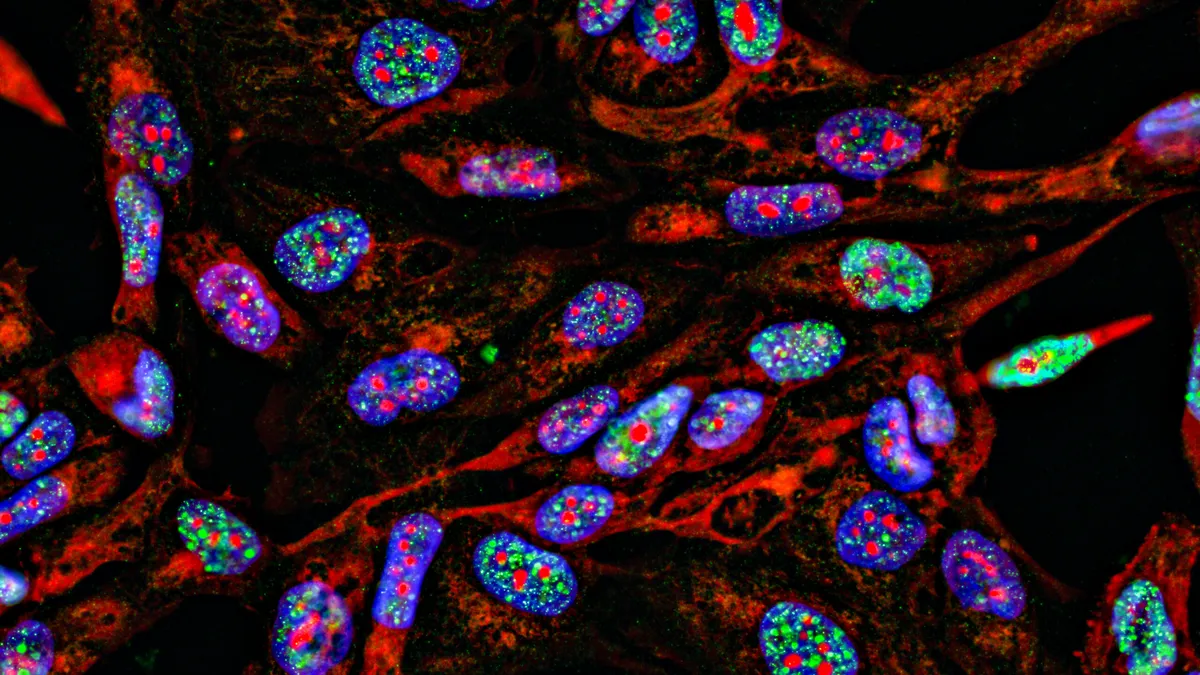
A recent investigation reveals that many commercial antibody suppliers have manipulated images to promote their products, raising serious concerns about research integrity and reliability.
Related articles

Popular in Guides
- Boomers Lead the Charge in Alcohol Abstinence: Insights from New Research
- Understanding the Physics of Silly Sprinklers and Feynman's Reverse Sprinkler Puzzle
- Mark Zuckerberg Acquires Strancally Castle: A Look at His New Irish Estate
- Last Chance to Score Discounts for TechCrunch Disrupt 2026
- The Coming Air-Conditioning Revolution in Europe: A Necessity or a Luxury?