Understanding the Physics of Silly Sprinklers and Feynman's Reverse Sprinkler Puzzle
This article explores the recent breakthroughs in understanding the physics behind silly sprinklers and the longstanding reverse sprinkler problem, shedding light on fluid dynamics and its applications.
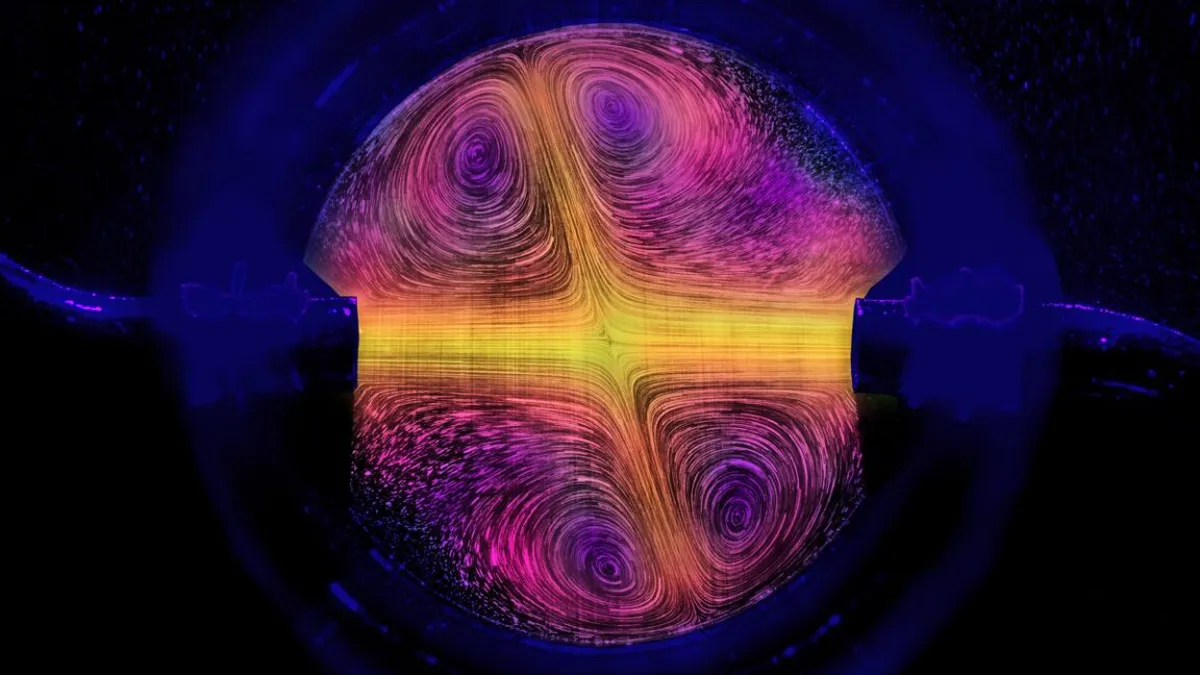
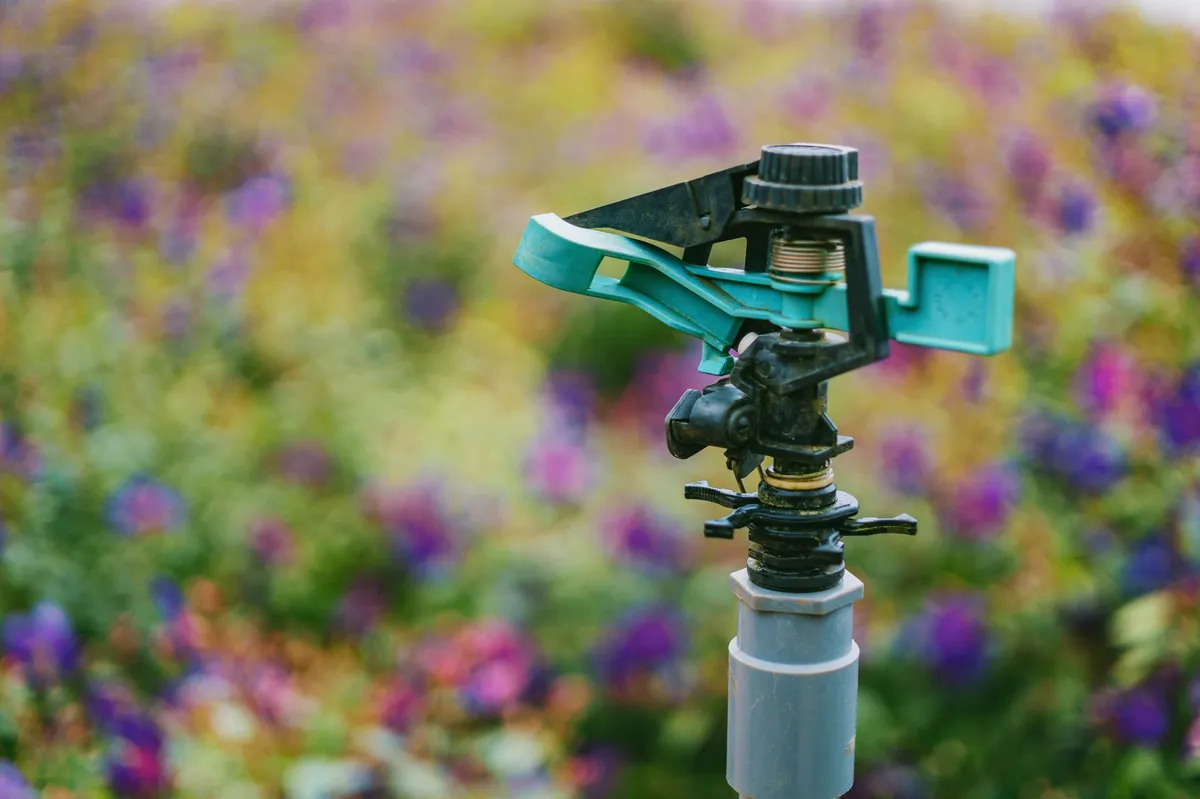
Watering your lawn during the hot summer months can be a delightful experience, especially with the entertaining designs of "silly sprinklers." These quirky devices shoot out water in amusing patterns, creating a fun atmosphere for kids and pets alike. However, beneath the surface of their playful exterior lies a fascinating interplay of physics and fluid dynamics, recently illuminated by researchers at New York University’s Courant Institute. Their groundbreaking study sheds new light on the reverse sprinkler problem, a concept popularized by physicist Richard Feynman, while also expanding our understanding of how the design and flow of water in sprinklers influence their behavior.
The reverse sprinkler puzzle has puzzled physicists for decades, dating back to the 19th century. Richard Feynman famously engaged with this thought experiment during his time at Princeton University in the 1940s, contributing to the ongoing debate around how water flow affects the rotation of sprinklers. While the initial theories proposed by Feynman and others were compelling, recent experiments have revealed complexities that challenge previous assumptions. The latest findings, published in the Proceedings of the National Academy of Sciences, not only address the reverse sprinkler puzzle but also explore the mechanics behind the whimsical designs of silly sprinklers.
The Reverse Sprinkler Problem: A Brief History
To fully understand the significance of the recent study, it's essential to delve into the history of the reverse sprinkler problem. The concept originates from Ernst Mach's 1883 textbook, The Science of Mechanics, where he posited that a reverse sprinkler should not rotate due to opposing forces at play. Feynman later revisited this idea and conducted experiments to validate or refute Mach's hypothesis, ultimately discovering that the behavior of reverse sprinklers was more nuanced than initially thought.
Feynman's experiments indicated that while the reverse sprinkler might not spin in the same way as a traditional sprinkler, it could exhibit slight movements under specific conditions. Subsequent experiments over the years have yielded mixed results, with some showing transient rotations and others demonstrating more complex behaviors depending on the sprinkler's design and the flow of water.
New Insights from NYU's Courant Institute
In 2024, a team led by NYU mathematician Leif Ristroph initiated a series of experiments that would lead to a deeper understanding of the reverse sprinkler problem and its relationship with silly sprinklers. The researchers designed a custom sprinkler equipped with ultra-low-friction rotary bearings to minimize resistance, allowing for more accurate observations of water flow patterns. By manipulating the flow rates of water in and out of the device, they could analyze how the internal dynamics influenced rotation.
Key findings from their research revealed that the reverse sprinkler rotates approximately 50 times slower than a conventional sprinkler. The team described its unique operation as akin to an “inside-out rocket,” where jets of water converge within the chamber and create forces that facilitate reverse rotation without direct collisions. This contrasts with a standard sprinkler, which operates more like a rocket, with jets propelled outward.
Momentum Flux Theory: A New Framework
The NYU team's experiments led to the development of what they call the momentum flux theory. This theory provides a mathematical framework for understanding how fluid flows interact with sprinkler designs to produce torque and rotation. The results of their experiments not only supported their new theory but also challenged earlier hypotheses proposed by Mach and Feynman.
Interestingly, the researchers found that the shape of the sprinkler's arms plays a crucial role in dictating the flow patterns and, consequently, the device's rotational behavior. By establishing specific design guidelines, the study provides valuable insights for engineers and designers looking to optimize devices like turbines and other energy-converting apparatuses.
Applications Beyond the Garden
The implications of these findings extend beyond the whimsical world of silly sprinklers. Understanding the dynamics of fluid flow is crucial for various engineering applications, particularly in the design of efficient turbines that harness energy from flowing fluids. The knowledge gained from studying these playful devices can inform advances in renewable energy technologies and improve the efficiency of systems that rely on fluid dynamics.
Moreover, the principles derived from Ristroph's experiments have the potential to impact a wide range of fields, from aerodynamics to biomedical engineering. For instance, optimizing the flow of fluids in medical devices could lead to better drug delivery systems, while insights into fluid dynamics may enhance the design of aircraft and automobiles.

A Legacy of Curiosity and Discovery
Leif Ristroph and his lab are known for tackling real-world puzzles through innovative experiments. Their previous work, such as refining bubble formation processes and studying the aerodynamics of paper airplanes, reflects a commitment to understanding the fundamental principles of physics and their applications. This latest research on silly sprinklers and the reverse sprinkler problem is a testament to their ongoing exploration of fluid dynamics.
As Ristroph noted, “Our findings provide a firmer understanding of how components respond to fluid flows—knowledge that can guide future engineering and technological advances for devices that convert these flows into energy.” The intersection of playful experimentation and serious scientific inquiry continues to push the boundaries of our understanding of the natural world.

Key Takeaways
- The reverse sprinkler problem has historical roots dating back to the 19th century, with contributions from Feynman and Mach.
- NYU's recent experiments reveal that reverse sprinklers rotate much slower than traditional models and operate under distinct principles.
- The momentum flux theory developed from these studies provides a framework for understanding fluid dynamics in various applications.
- Insights gained from silly sprinklers can inform advancements in turbine design and other engineering fields.
- The research highlights the importance of playful experimentation in scientific discovery.
Frequently Asked Questions
What exactly is the reverse sprinkler problem?
The reverse sprinkler problem refers to the puzzling question of how a sprinkler would behave if it were designed to suck in water instead of expelling it. The challenge lies in understanding the forces acting on the sprinkler in both scenarios, which has led to various interpretations and experiments over the years. The ongoing research aims to clarify these dynamics and provide a comprehensive understanding of fluid motion.
How do silly sprinklers work differently from traditional sprinklers?
Silly sprinklers are designed to create playful water patterns, often with unique shapes and mechanisms that allow for varied flow dynamics. Unlike traditional sprinklers that expel water outward to create rotation, silly sprinklers may employ internal water jets that generate movement in different directions, resulting in a distinct operational behavior that can be studied through fluid dynamics.
What are the broader implications of this research?
The insights gained from understanding sprinkler dynamics extend beyond gardening. The principles of fluid dynamics can influence the design of turbines, vehicles, and medical devices. By optimizing how fluids flow through these systems, engineers can enhance efficiency and effectiveness, contributing to advancements in renewable energy and healthcare technologies.
What role did Richard Feynman play in this research?
Richard Feynman was instrumental in popularizing the reverse sprinkler problem in the mid-20th century, contributing to the debate on its physics through his experiments. His work laid the groundwork for future investigations, including the recent studies by NYU researchers that have revisited and expanded upon Feynman’s findings, ultimately leading to new insights into fluid dynamics and momentum theory.
Comments
California Introduces $3,500 Rebate for First-Time Electric Vehicle Buyers
California's new $3,500 rebate program aims to boost electric vehicle adoption amidst declining sales. This initiative is part of the state's broader commitment to clean air and sustainable transportation.

Related articles

Popular in Guides
- Boomers Lead the Charge in Alcohol Abstinence: Insights from New Research
- The Coming Air-Conditioning Revolution in Europe: A Necessity or a Luxury?
- Hobbits of Flores: Scavengers or Skilled Hunters?
- US Citizens Infected with Ebola: A Shifting Response Landscape
- Revolutionary Insights into Ocean Rift Zone Dynamics: A Sudden Burst of Crustal Spreading