Hobbits of Flores: Scavengers or Skilled Hunters?
The eating habits of Homo floresiensis reveal new insights into their survival strategies and evolutionary history, challenging long-held assumptions about early human behavior.
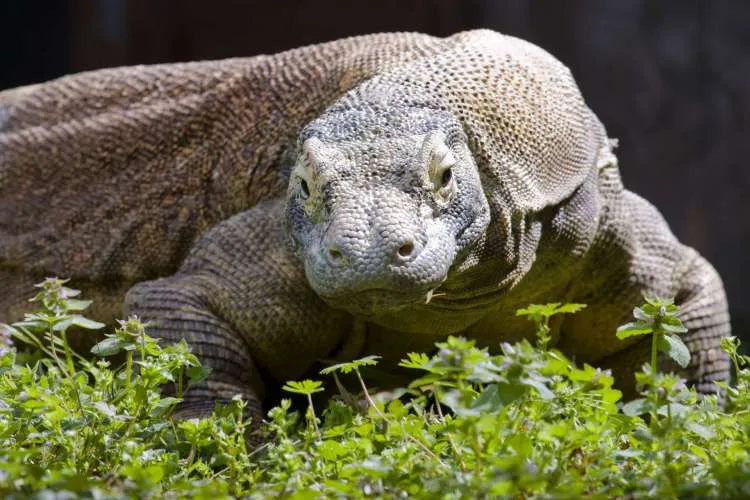
In the rich tapestry of human evolution, the discovery of Homo floresiensis, affectionately known as the Hobbits, has captivated anthropologists and the public alike. These diminutive hominins, standing at just over three feet tall, inhabited the island of Flores in Indonesia until approximately 60,000 years ago, coexisting with a diverse array of megafauna including Komodo dragons, pygmy elephants, and giant rats. Recent research led by University of Tübingen anthropologist Elizabeth Veatch and her team sheds new light on our understanding of these fascinating creatures, suggesting that their dietary habits were not as straightforward as once thought.
Traditionally, it was believed that the Hobbits were adept hunters capable of taking down the island's dwarf elephants, demonstrating remarkable prowess considering their size. However, the new findings indicate a shift in this narrative, positing that these ancient humans may have played a different role in the ecosystem—one more aligned with scavenging than hunting. This revelation could have significant implications for our understanding of early hominin behavior and their evolutionary journey.
The Ecosystem of Flores: A Unique Setting
The island of Flores presented a unique environment that fostered a diverse range of wildlife, including both large predators and herbivores. The presence of Homo floresiensis alongside creatures such as Komodo dragons, which could grow over ten feet long, raises intriguing questions about the interactions between species in this isolated ecosystem.
Megafauna Coexistence
During the time of the Hobbits, the island was home to various large animals, including:
- Komodo Dragons: Top predators capable of taking down large prey.
- Pygmy Elephants: Smaller relatives of modern elephants, providing a unique source of protein.
- Giant Rats: Smaller prey that could have supplemented the Hobbits' diet.
This biodiversity suggests a complex web of interactions where competition for resources was fierce. Understanding the role of Homo floresiensis in this ecosystem is crucial for piecing together their survival strategies.

Shifting Paradigms: Scavenging vs. Hunting
Veatch and her colleagues' analysis indicates that the Hobbits may have scavenged the remains of animals killed by Komodo dragons rather than actively hunting large prey themselves. This is a significant departure from previous assumptions that highlighted their hunting capabilities.
Evidence from Cave Sediments
The researchers based their conclusions on the discovery of hominin and pygmy elephant bones in the same layers of cave sediment. This evidence suggests that rather than being the primary hunters, the Hobbits arrived at the scene after the Komodo dragons had made their kill. This scavenging behavior would not only have provided them with necessary nutrients but also indicates a level of adaptation to their environment.
Implications for Hominin Evolution
The findings from Veatch's research challenge long-standing views about the capabilities of Homo floresiensis and their place in the broader narrative of human evolution. Understanding whether these early humans were primarily hunters or scavengers reshapes our perspective on their survival strategies and adaptability.
Broader Context of Hominin Migration
Moreover, this research raises questions about the migration patterns of early hominins. If Homo floresiensis was more inclined to scavenge than hunt, it may indicate a different approach to survival that could have influenced their migration from Africa into Asia and beyond. Such behaviors may have allowed early humans to exploit a variety of ecological niches as they spread across the globe.

Conclusion: Reevaluating Our Understanding
As research into Homo floresiensis continues to evolve, so too must our understanding of their lifestyle and behaviors. The implications of Veatch's findings extend beyond just the Hobbits; they challenge preconceived notions about early human adaptability and survival strategies. By reconsidering their role in the ecosystem of Flores, we gain a deeper appreciation for the complexities of human evolution.
Future research is essential to further unravel the mysteries surrounding these ancient hominins. As new evidence emerges, it may well redefine our understanding of not only Homo floresiensis but also the evolutionary journey of all hominins.

Key Takeaways
- Homo floresiensis may have been scavengers rather than hunters, challenging previous assumptions.
- Research indicates they likely scavenged leftovers from Komodo dragon kills.
- The findings have significant implications for understanding early human behavior and evolution.
- Future studies are needed to explore the broader implications for hominin migration and adaptability.
Frequently Asked Questions
What is the significance of the findings about Homo floresiensis?
The findings suggest that Homo floresiensis may have adapted to their environment by scavenging rather than hunting, which shifts the narrative of early hominin capabilities. This adaptation highlights their ability to survive in a competitive ecosystem alongside formidable predators like Komodo dragons.
How do these findings impact our understanding of human evolution?
These findings prompt a reevaluation of the evolutionary timeline and behaviors of early hominins. Recognizing that Homo floresiensis may have relied more on scavenging could indicate that the ability to adapt to various ecological niches was crucial for survival during human evolution.
Could there be more undiscovered species similar to Homo floresiensis?
Yes, the discovery of Homo floresiensis has opened the door for the possibility of finding more undiscovered hominin species. As researchers continue to explore isolated environments, there may be more examples of unique adaptations that challenge our understanding of human ancestry and evolution.
What are the next steps in researching Homo floresiensis?
Future research will likely involve excavations in Flores and surrounding areas to uncover more fossils and artifacts. Additionally, advanced analytical techniques will be employed to study the remains found in sediment layers, which will provide deeper insights into the lifestyle and behaviors of these ancient hominins.
Comments
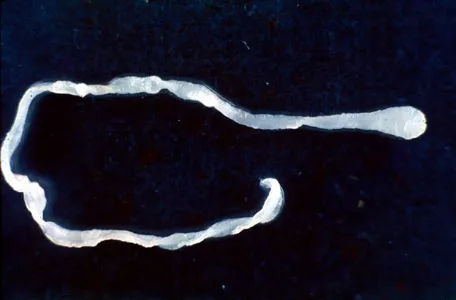
Surgeons Discover Living Worm During Routine Hernia Surgery
In a surprising turn of events, surgeons found a 10-inch worm during a routine hernia repair on a 71-year-old man, who had previously experienced a similar incident. This unusual case raises questions about human health and parasites.
Related articles

Popular in Guides
- Boomers Lead the Charge in Alcohol Abstinence: Insights from New Research
- Understanding the Physics of Silly Sprinklers and Feynman's Reverse Sprinkler Puzzle
- The Coming Air-Conditioning Revolution in Europe: A Necessity or a Luxury?
- US Citizens Infected with Ebola: A Shifting Response Landscape
- Revolutionary Insights into Ocean Rift Zone Dynamics: A Sudden Burst of Crustal Spreading