Revolutionary Insights into Ocean Rift Zone Dynamics: A Sudden Burst of Crustal Spreading
Recent research has unveiled critical insights into crust formation at mid-ocean ridges, revealing a sudden burst of geological activity that challenges existing theories of plate tectonics.
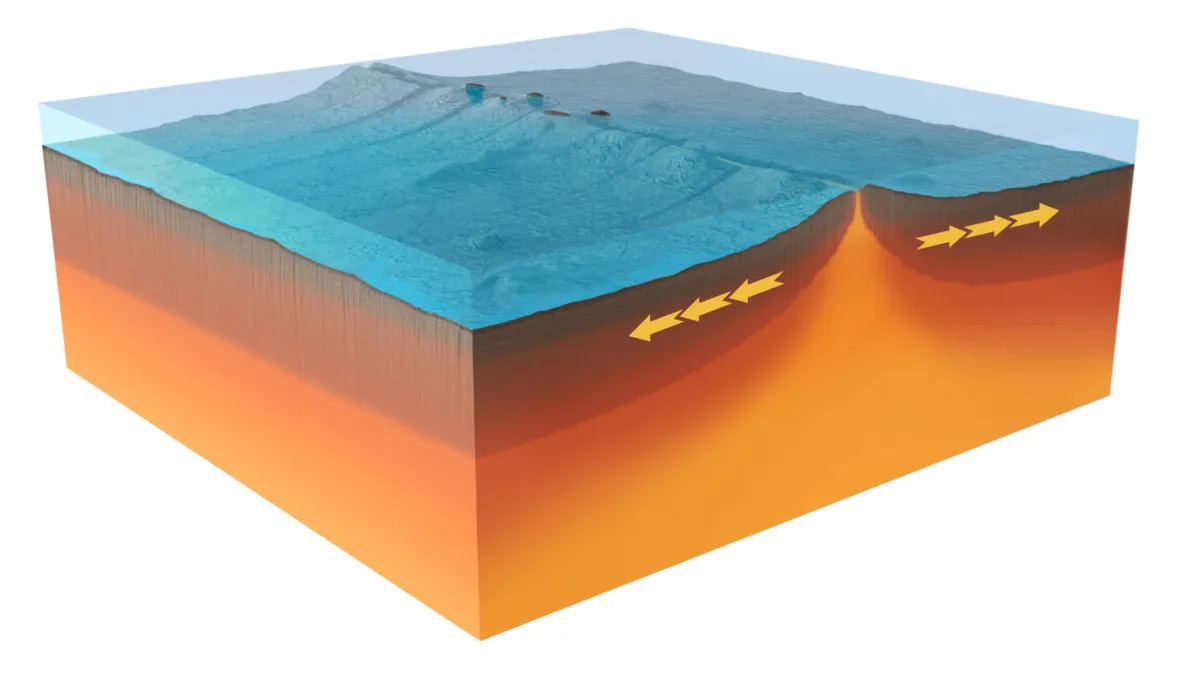
The ocean floor, a vast and largely unexplored realm, is a crucial battleground in the ongoing saga of Earth's geological processes. Among its most significant features are mid-ocean ridges, where tectonic plates diverge, and new crust material is formed. These ridges have long served as a cornerstone for the theory of plate tectonics, yet the mechanics behind how crust forms at these sites remain shrouded in mystery. Recent research conducted by a team of French scientists has provided a fresh perspective on this mystery, unveiling a sudden burst of crustal spreading in the ocean rift zone between the Australian and Antarctic plates. This remarkable discovery not only enhances our understanding of geological processes but also raises important questions about the nature of seismic activity and the mechanisms driving crust formation.
In April 2024, a mere two months after deploying a suite of underwater monitoring stations, researchers witnessed a dramatic series of events at a remote location situated roughly halfway between Australia and Madagascar. These events marked a pivotal moment in geological research, highlighting the need for ongoing exploration and monitoring of mid-ocean ridges. The implications of these findings extend beyond the immediate region, suggesting that our understanding of tectonic processes may require significant reevaluation.
The Setting: A Geological Hotspot
The rift zone studied is not just any stretch of ocean; it is home to the Amsterdam–Saint Paul Plateau, an intriguing geological feature rising from the deep sea floor. This plateau is believed to be influenced by a deep ocean hotspot, yet it is remarkably devoid of volcanic activity, save for two small islands: Amsterdam and St. Paul. Historically, these islands have seen a variety of human interactions, from failed colonization attempts to sporadic scientific expeditions.
Despite their remote nature, these islands have served as a base for scientific exploration, allowing researchers to deploy advanced monitoring equipment. The instruments installed by the French team included hydrophones to detect seismic activity and transmitters to track movements between monitoring sites. Such technology is essential for understanding the dynamics of crustal formation and the behavior of magma beneath the ocean floor.
Understanding the Recent Spreading Events
Research in the region had previously established that the spreading rate at this rift zone averages slightly over 60 millimeters per year. However, the events that transpired in April 2024 were anything but typical. The initial cluster of seismic activity originated from a fault line within the rift, with subsequent movements detected up to 9 kilometers away.
Subsurface Dynamics: Magma Movement and Crustal Changes
As the seismic events unfolded, sensors located in the central valley of the spreading region recorded a notable drop, suggesting a significant geological shift. This drop accelerated, indicating that a magma reservoir beneath the ridge was draining rapidly. Concurrently, the temperature of the surrounding seawater began to rise, further corroborating the theory that magma was interacting with the ocean water.
In total, researchers observed a subsidence of 4.2 meters over six days, which also highlighted the dynamic nature of the crust being formed. The data collected suggested that the crust was not only being formed at a rapid pace but also that this process could occur in bursts rather than a steady, gradual formation.
Revolutionizing Our Understanding of Crust Formation
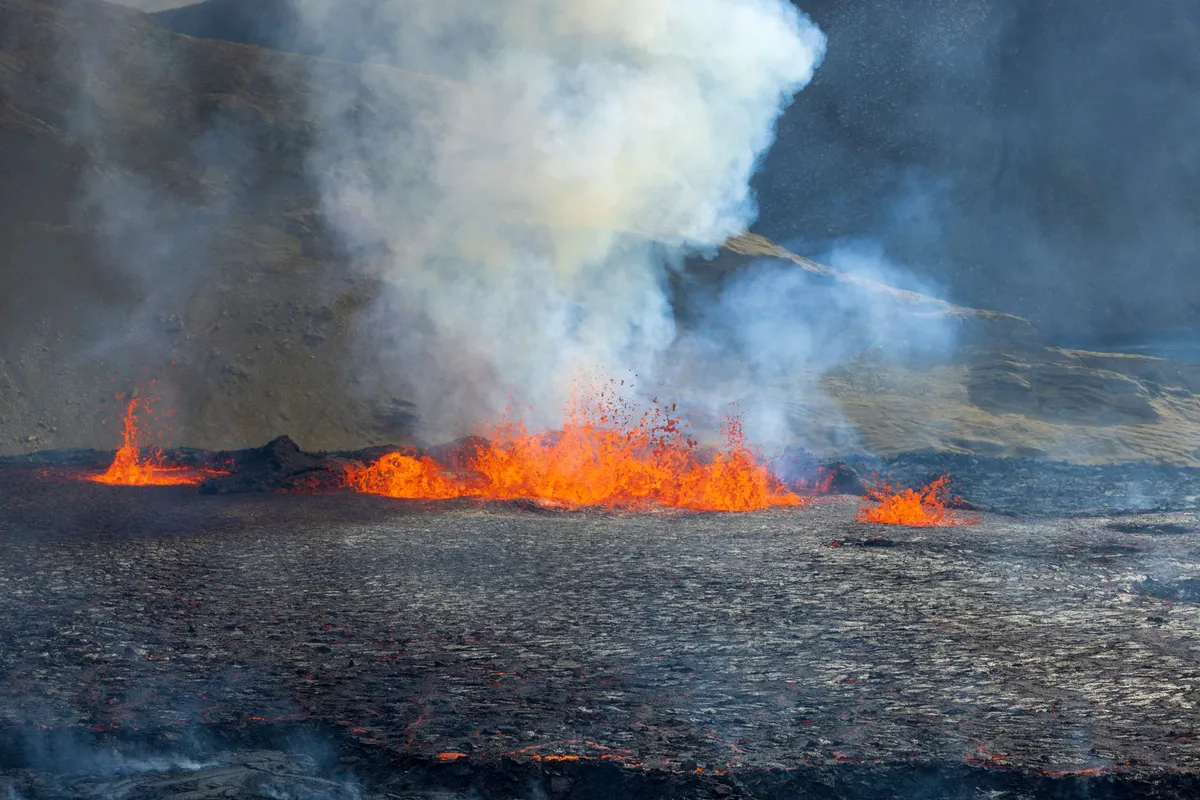
The aftermath of the April 2024 events revealed dramatic changes in the seafloor's topography. Imaging conducted during the subsequent visits by French research vessels showed formations rising over 90 meters compared to previous mapping efforts. The total volume of new material estimated to have emerged was around 150 million cubic meters, indicating a significant geological event.
Modeling the Events: Insights from Simulation
To grasp the interconnectedness of these geological events, researchers employed extensive modeling techniques. By simulating various configurations of magma sources, dyke extents, and fault geometries, they identified patterns that could explain the observed changes. Only a small fraction of the simulations (2,200 out of 10 million) could replicate the changes detected by their instruments, suggesting that while some aspects of crust formation may be predictable, others remain elusive.
Notably, the modeling indicated that the observed changes were consistent with the collapse of a deep magma reservoir, which likely funneled material into dykes and triggered fault movements of up to 4 meters. The team estimates that the amount of crust formed during this event could equate to nearly 38 years of typical spreading activity.
Implications for Tectonic Theory
The findings from this study challenge traditional views of tectonic processes, suggesting that crust formation may not be a continuous process but rather a series of sudden, rapid events following prolonged periods of strain accumulation. This revelation has significant implications for our understanding of mid-ocean spreading and the geological forces that shape our planet.
Moreover, the study pointed out that some of the observed events occurred without any detectable seismic signals, suggesting that relying solely on seismic data could provide an incomplete picture of crustal dynamics. This revelation underscores the importance of employing a multi-faceted approach to geological research, integrating various monitoring techniques to capture the full scope of tectonic activity.
Key Takeaways
- Sudden crustal spreading events can occur at mid-ocean ridges, complicating our understanding of tectonic activity.
- Advanced monitoring technology is crucial for detecting subtle geological changes.
- Some geological events may go unnoticed if only seismic data is considered.
- Crust formation can happen in rapid bursts rather than a continuous process.
- These findings emphasize the need for ongoing research in geology and tectonics.
Frequently Asked Questions
What are mid-ocean ridges and why are they important?
Mid-ocean ridges are underwater mountain ranges formed by the tectonic plates diverging, allowing magma to rise and create new crust. They play a crucial role in the theory of plate tectonics, as they are sites of continuous geological activity, influencing oceanic and continental formations.
How did the French scientists conduct their research in such a remote area?
The team utilized supply ships that regularly visit the Amsterdam and St. Paul islands to deploy monitoring equipment on the ocean floor. These instruments included hydrophones and distance-tracking transmitters to collect data on seismic activity and crustal changes in the rift zone.
What implications do these findings have for our understanding of seismic activity?
These findings suggest that not all geological events produce detectable seismic signals, indicating that our understanding of earthquakes and crustal movements may need to be reevaluated. This could potentially affect how we predict and respond to seismic events in other regions.
Why is ongoing research in oceanic tectonics necessary?
Continued exploration and monitoring of oceanic tectonics are essential to refine our understanding of Earth's geological processes. New technologies and methodologies can uncover insights into how crust forms, leading to better models of tectonic activity that can inform both scientific inquiry and practical applications, such as natural disaster preparedness.
Comments
Popular in Guides
- Boomers Lead the Charge in Alcohol Abstinence: Insights from New Research
- Understanding the Physics of Silly Sprinklers and Feynman's Reverse Sprinkler Puzzle
- The Coming Air-Conditioning Revolution in Europe: A Necessity or a Luxury?
- Hobbits of Flores: Scavengers or Skilled Hunters?
- US Citizens Infected with Ebola: A Shifting Response Landscape