US Citizens Infected with Ebola: A Shifting Response Landscape
As Ebola cases rise in the Democratic Republic of Congo, the U.S. government's response to infected citizens raises critical questions about public health policy and humanitarian efforts.
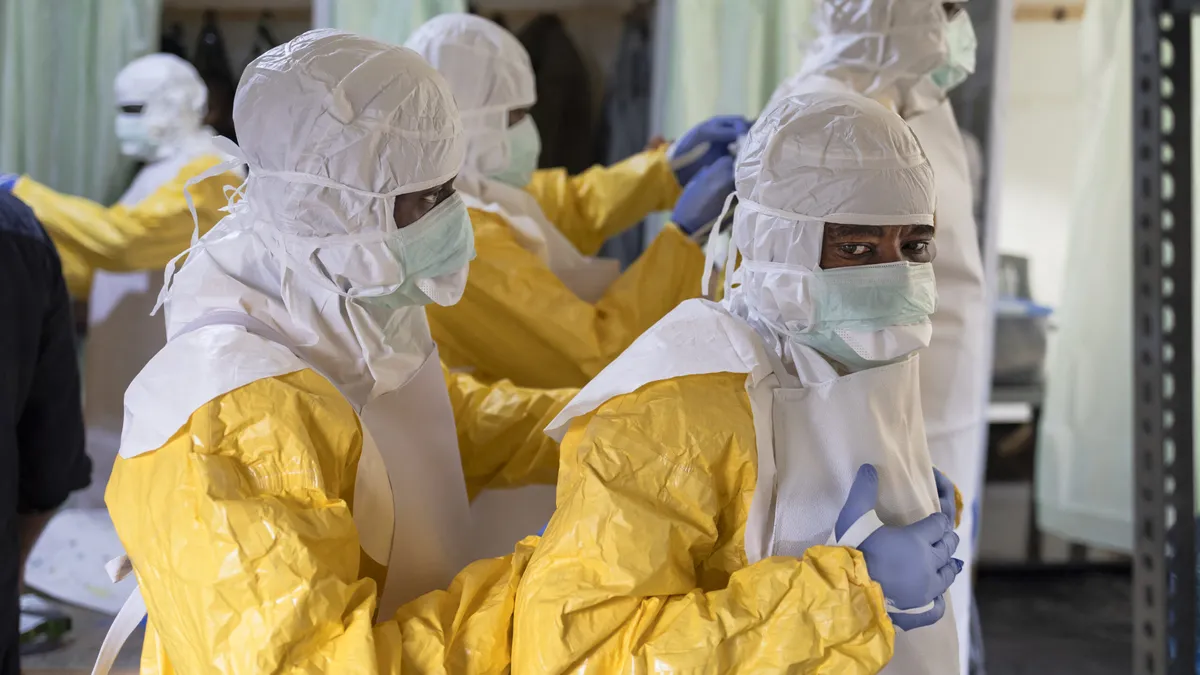
In a troubling turn of events, the ongoing Ebola outbreak in the Democratic Republic of Congo (DRC) has now claimed two American citizens, highlighting significant gaps in the U.S. government’s approach to handling infectious disease crises among its own citizens. The outbreak, declared on May 15, 2026, has quickly escalated to the third largest on record, with reports indicating 1,926 cases and 702 deaths as of July 12. The U.S. response, characterized by stringent travel restrictions and a hesitance to repatriate infected individuals, raises critical questions about public health policy and the responsibilities of a nation to its citizens abroad.
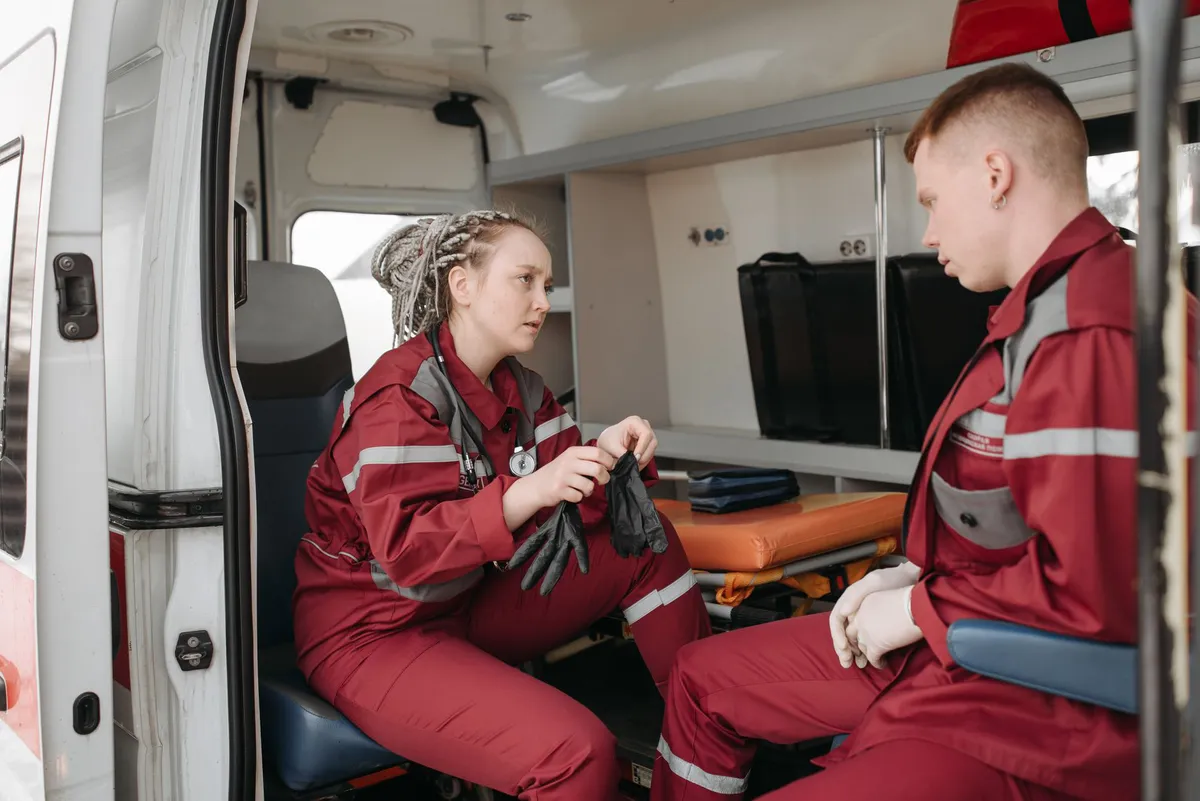
This situation has led to the evacuation of two American aid workers to Germany for treatment rather than to U.S. medical facilities, despite the availability of specialized Ebola care centers across the country. The first American infected, Dr. Peter Stafford, who was directly involved in treating patients, was sent to Berlin after contractually working with a Christian organization. Meanwhile, the second infected individual, a warehouse manager with Samaritan’s Purse, was also quickly transferred to a Frankfurt hospital, where he is reportedly in stable condition. The implications of these choices extend beyond the immediate health of the patients, raising questions about the U.S.’s commitment to global health initiatives and its own citizens.
The Current Ebola Outbreak: A Background
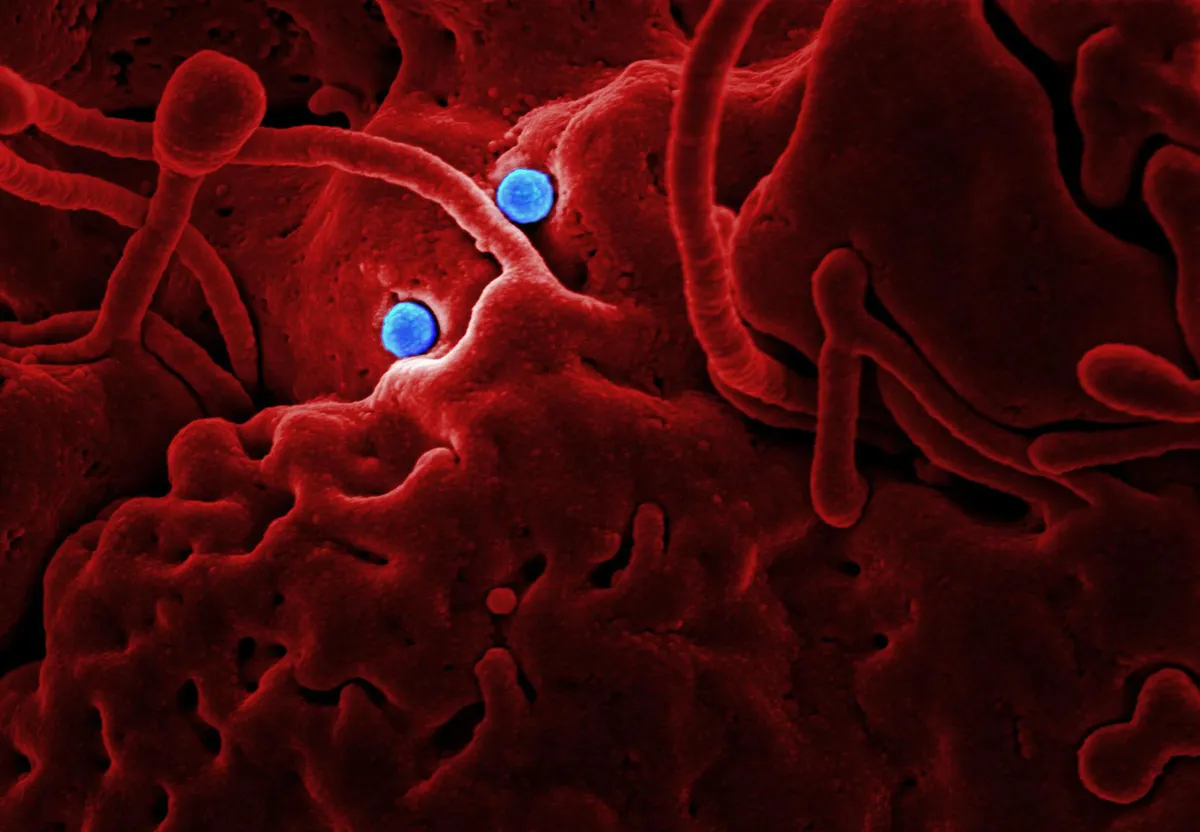
The current Ebola outbreak in the DRC is driven by the Bundibugyo strain of the Ebolavirus, which is less common but still poses severe health risks. This outbreak not only represents a public health emergency but also showcases the challenges faced by health organizations in controlling a rapidly spreading virus. The World Health Organization (WHO) has been actively involved in coordinating international response efforts, emphasizing the need for robust partnerships among local, national, and international entities.
Scale of the Outbreak
As the situation unfolds, the numbers paint an alarming picture:
- 1,926 cases reported as of July 12, 2026.
- 702 deaths, indicating a case fatality rate that could escalate if not contained.
- The outbreak is classified as the third largest on record, following previous outbreaks in West Africa and the DRC.
Such data underscores the urgency of a coordinated response, especially as health workers are on the frontlines battling the virus.
The U.S. Response: Isolationism in a Global Crisis
The U.S. government’s approach to the Ebola outbreak has been controversial and fraught with criticism. Under the Trump administration, a more isolationist posture has been adopted, which includes blocking the repatriation of citizens infected with or exposed to the virus. This policy is particularly striking given that the U.S. boasts multiple facilities equipped to manage Ebola cases safely.
Implications of Travel Restrictions
The travel restrictions implemented by the U.S. have significant implications:
- American citizens infected abroad may face delays in receiving care.
- Health workers may be discouraged from participating in international aid efforts, fearing they will not receive proper care if infected.
- The global perception of U.S. commitment to international health crises may erode.
These restrictions not only affect individual patients but also impact broader public health efforts aimed at controlling the outbreak.

Humanitarian Aid Workers and Their Risks
Both Americans infected in the DRC were working for humanitarian organizations, emphasizing the risks that aid workers face in epidemic zones. Dr. Peter Stafford was directly involved in patient care, while the second individual, a warehouse manager, raises questions about transmission routes, as he was not involved in direct patient treatment.
Understanding the Risks
The nature of humanitarian work in epidemic zones often exposes individuals to unforeseen risks:
- Direct contact with infected patients.
- Exposure to contaminated environments, even when not in direct care roles.
- The psychological toll of working in high-stress, high-risk situations.
As the outbreak continues, it is essential for humanitarian organizations to reinforce safety protocols and ensure that all workers are trained in infection prevention, including the proper use of personal protective equipment (PPE).
The Role of the World Health Organization
The WHO has been a critical player in managing the outbreak, providing clinical care for the infected American before his transfer to Germany. Director-General Tedros Adhanom Ghebreyesus has called for an accelerated response to curb the virus, emphasizing the need for collaboration among various stakeholders.
International Collaboration is Key
In his recent statements, Tedros highlighted several key points:
- The need for a coordinated international response to contain the outbreak.
- Increased support from local and national governments to empower health systems.
- The importance of maintaining global health partnerships, including with the WHO.
Without a collective effort, the outbreak may continue to escalate, threatening not only those in the DRC but also the global community at large.
Key Takeaways
- The U.S. has been slow to repatriate citizens infected with Ebola, opting instead for international medical care.
- The current Ebola outbreak in the DRC is the third largest on record, with significant case numbers and fatalities.
- Humanitarian aid workers face considerable risks, emphasizing the need for rigorous safety protocols.
- Collaboration among international health organizations is critical to controlling the outbreak.
Frequently Asked Questions
What are the symptoms of Ebola?
Ebola symptoms typically include fever, severe headaches, muscle pain, fatigue, diarrhea, vomiting, and unexplained bleeding. Symptoms usually appear 2 to 21 days after exposure to the virus. Early detection and isolation are crucial in managing the disease and preventing its spread.
How does the Ebola virus spread?
The Ebola virus spreads through direct contact with the bodily fluids of an infected person, including blood, saliva, and sweat. It can also be transmitted through contact with contaminated surfaces or objects. Understanding the transmission routes is essential for health workers and the general public to prevent outbreaks.
What are the treatment options for Ebola?
Currently, there is no specific antiviral treatment for Ebola, but supportive care can significantly improve survival rates. This includes rehydration, symptomatic treatment, and in some cases, the use of experimental therapies. Vaccination is also a critical component of outbreak control.
Can Ebola outbreaks be prevented?
Prevention strategies include rigorous public health measures such as contact tracing, community engagement, and vaccination campaigns. International cooperation is vital for successful prevention efforts, especially in high-risk regions. Strengthening health systems and increasing awareness can aid in minimizing the risks associated with Ebola outbreaks.
Comments
Understanding the Physics of Silly Sprinklers and Feynman's Reverse Sprinkler Puzzle
This article explores the recent breakthroughs in understanding the physics behind silly sprinklers and the longstanding reverse sprinkler problem, shedding light on fluid dynamics and its applications.

Related articles

Popular in Guides
- Boomers Lead the Charge in Alcohol Abstinence: Insights from New Research
- Understanding the Physics of Silly Sprinklers and Feynman's Reverse Sprinkler Puzzle
- The Coming Air-Conditioning Revolution in Europe: A Necessity or a Luxury?
- Hobbits of Flores: Scavengers or Skilled Hunters?
- Revolutionary Insights into Ocean Rift Zone Dynamics: A Sudden Burst of Crustal Spreading