The Coming Air-Conditioning Revolution in Europe: A Necessity or a Luxury?
As heat waves become increasingly common in Europe, the demand for air conditioning is skyrocketing. This article delves into the implications of this trend, from political debates to environmental concerns and health impacts.
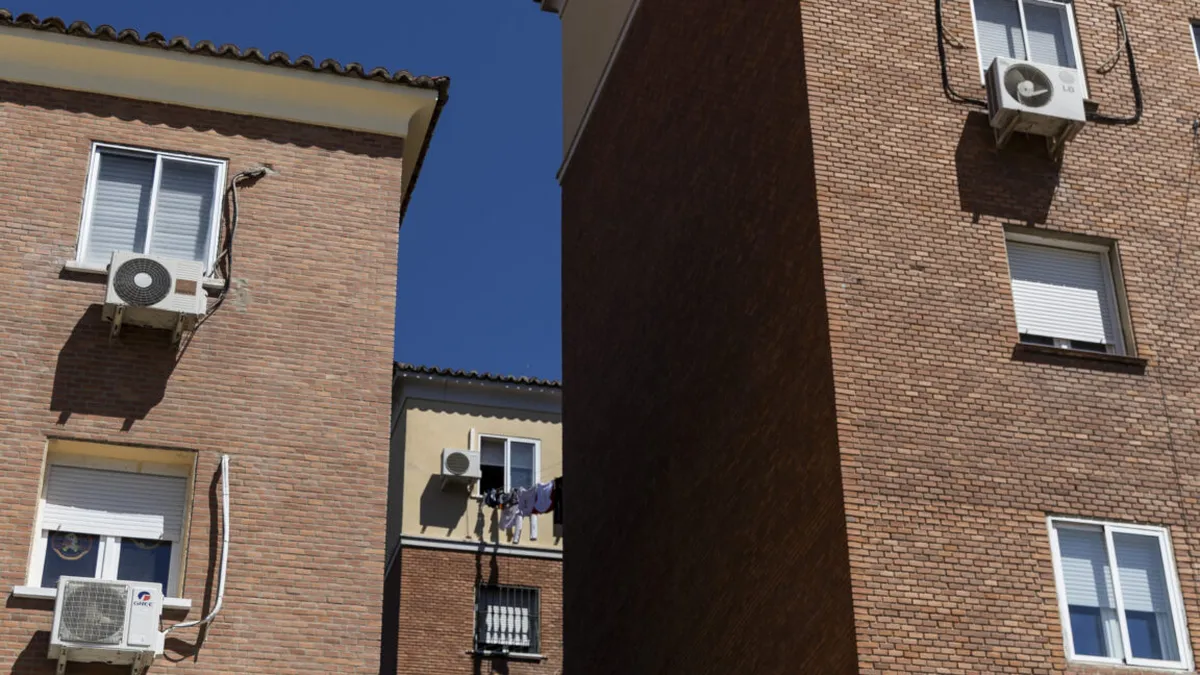
As summer heat waves sweep across Europe, many residents find themselves grappling with an uncomfortable reality: temperatures soaring past 40° Celsius are becoming the norm, not the exception. In late June, frantic shoppers in France stormed stores, desperately trying to purchase portable fans and air-conditioning units before they sold out. This scene is likely to become a common occurrence as global temperatures continue to rise and the International Energy Agency (IEA) projects that two-thirds of households could own an air conditioner by 2050. But what does this mean for Europe? Are air conditioners becoming a necessity for survival, or are they merely a luxury for the affluent?
Climate Change and the Rising Demand for Cooling Solutions
The correlation between climate change and rising temperatures is well-documented, leading to an increasing reliance on cooling technologies. As more extreme heat events occur, populations across Europe are beginning to realize that traditional ventilation methods may no longer suffice. In fact, the IEA has highlighted that the demand for cooling has surged worldwide, a trend that is likely to intensify in the coming years. As of now, approximately 20 percent of Europeans have access to air conditioning, a stark contrast to the 90 percent coverage in the United States, where cheaper electricity makes AC units more accessible.
What’s troubling is that the current adoption rate of air conditioning in Europe remains low, especially in countries like the UK, where only about 4 percent of households have air conditioning. This discrepancy poses significant challenges, particularly in the context of public health and productivity. Research has shown that extreme heat can impair cognitive function and, in some cases, lead to serious health risks. In 2019 alone, it was estimated that air conditioning prevented nearly 200,000 premature deaths among individuals over 65 in the United States. As such, the push for more widespread air conditioning in Europe is not merely about comfort; it’s increasingly viewed as a public health imperative.

Political Perspectives and Cultural Debates
The conversation surrounding air conditioning in Europe is not just technocratic; it has also become a focal point in political discourse. Politicians are leveraging the issue to shape their platforms, often framing air conditioning as a divisive topic. For instance, Marine Le Pen, a prominent figure in France's far-right politics, has pledged to expand air conditioning access across the nation if elected. Conversely, the British Conservative Party has proposed rolling back net-zero regulations that currently limit air conditioning installations in new buildings.
On the left, critics argue that the push for air conditioning primarily benefits the affluent, who can afford the installation and associated energy costs. They caution that this could entrench Europe in a high-energy cooling spiral similar to that seen in regions like the US and Asia, where energy consumption for cooling has skyrocketed. This raises critical questions about energy equity and sustainability, as many low-income households may struggle to invest in such technologies.

Environmental Concerns and Sustainable Solutions
While air conditioning can undoubtedly provide relief from extreme heat, it also contributes to energy consumption and greenhouse gas emissions. The electricity required to run air conditioning units can lead to higher carbon footprints, especially in countries that rely on fossil fuels for energy production. The European Union has set ambitious climate targets, aiming for net-zero emissions by 2050, which complicates the expansion of energy-intensive technologies like air conditioning.
To reconcile the growing demand for cooling with environmental sustainability, many experts advocate for innovative solutions. These include:
- Energy-efficient cooling technologies: Investing in advanced, energy-efficient air conditioning systems that utilize less electricity.
- Smart thermostats: Implementing smart home technologies that optimize cooling based on usage patterns.
- Passive cooling designs: Promoting architectural designs that naturally reduce cooling needs, such as improved insulation and strategically placed windows.
- Renewable energy sources: Transitioning to renewable energy sources like solar or wind to power air conditioning units sustainably.
By adopting these strategies, Europe could mitigate the environmental impacts of increased air conditioning usage while still addressing the urgent need for cooling solutions.
Health Implications and Public Awareness
The health implications of rising temperatures cannot be overstated. Extreme heat not only affects physical well-being but also impacts mental health and productivity. Schools, workplaces, and homes that lack adequate cooling can become inhospitable environments, making it difficult for children to concentrate and for adults to perform optimally. In poorly ventilated schools, for instance, students may find it challenging to focus, resulting in decreased academic performance.
As awareness of these issues grows, public health campaigns are beginning to emphasize the importance of cooling solutions. Governments and health organizations are increasingly promoting the need for air conditioning, especially for vulnerable populations, including the elderly and those with pre-existing health conditions. By framing air conditioning as a crucial tool for maintaining public health, advocates hope to shift perceptions and encourage investment in cooling technologies across the socio-economic spectrum.
Key Takeaways
- Extreme heat in Europe is driving a surge in demand for air conditioning, with projections suggesting two-thirds of households could own AC units by 2050.
- Current air conditioning adoption rates in Europe are significantly lower than in the US, raising concerns about public health and productivity.
- Political debates surrounding air conditioning often highlight issues of equity, access, and sustainability.
- Innovative cooling solutions and technologies can help mitigate the environmental impacts associated with increased air conditioning use.
- Public health campaigns are emphasizing the importance of air conditioning for vulnerable populations, linking it to enhanced safety and well-being.
Frequently Asked Questions
Why is there such a low adoption rate of air conditioning in Europe compared to the US?
Several factors contribute to the lower adoption rate of air conditioning in Europe, including cultural attitudes towards cooling, higher energy costs, and the historical perception that air conditioning is a luxury rather than a necessity. Additionally, many European homes, particularly older buildings, were not designed with air conditioning in mind, making retrofitting difficult and expensive.
What are the environmental concerns related to increased air conditioning use?
Air conditioning systems consume a significant amount of energy, which can lead to higher greenhouse gas emissions, particularly in regions that rely on fossil fuels for electricity generation. This increased energy consumption contributes to climate change, creating a feedback loop where rising temperatures further increase demand for cooling. Addressing these concerns requires a shift towards more energy-efficient technologies and renewable energy sources.
How can air conditioning impact public health?
Air conditioning plays a critical role in public health, particularly during extreme heat events. It can prevent heat-related illnesses and deaths, improve indoor air quality, and enhance productivity in schools and workplaces. Conversely, lack of access to effective cooling can exacerbate health disparities, particularly among vulnerable populations, including the elderly and individuals with pre-existing health conditions.
What alternatives exist to traditional air conditioning systems?
Alternatives to traditional air conditioning include passive cooling techniques, such as improved insulation, strategic building orientation, and the use of natural ventilation. Additionally, energy-efficient cooling technologies like evaporative coolers and heat pumps are becoming more popular. These options can provide effective cooling while minimizing environmental impact and energy consumption.
Comments
Popular in Guides
- Boomers Lead the Charge in Alcohol Abstinence: Insights from New Research
- Understanding the Physics of Silly Sprinklers and Feynman's Reverse Sprinkler Puzzle
- US Citizens Infected with Ebola: A Shifting Response Landscape
- Revolutionary Insights into Ocean Rift Zone Dynamics: A Sudden Burst of Crustal Spreading
- Unraveling the Mysteries of Dune: Part Three Trailer