Misleading Antibody Marketing: The Hidden Crisis in Biomedical Research
A recent investigation reveals that many commercial antibody suppliers have manipulated images to promote their products, raising serious concerns about research integrity and reliability.
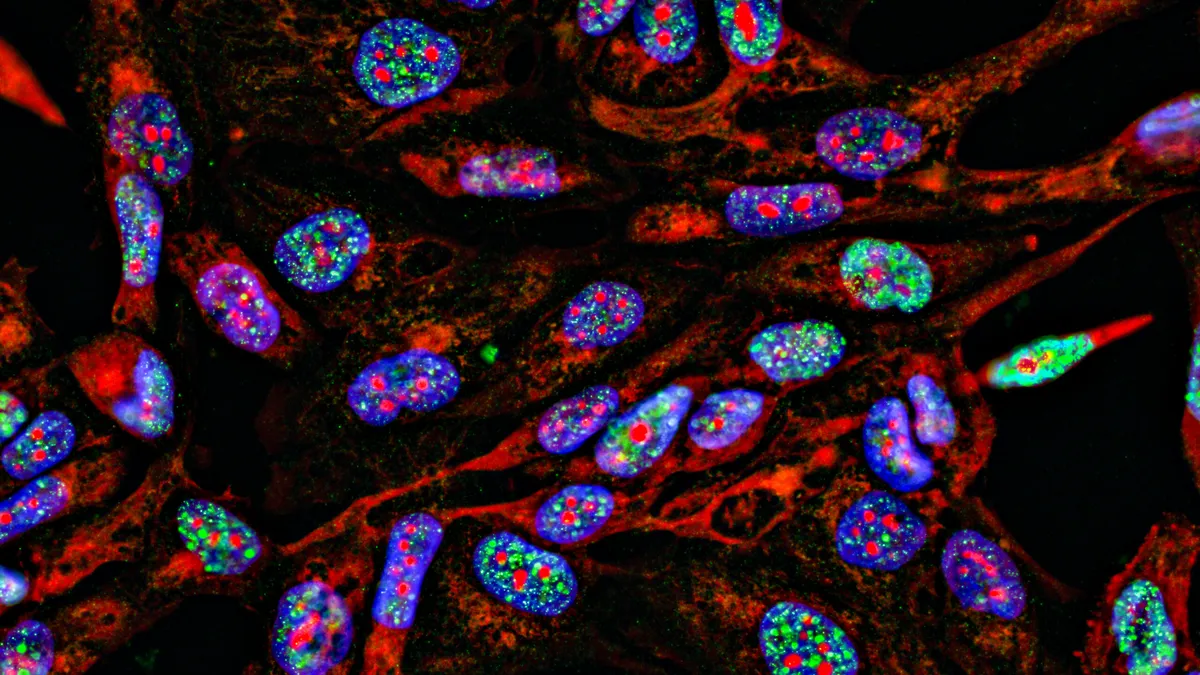
In the world of biomedical research, antibodies are invaluable tools that facilitate a myriad of experimental techniques, from western blotting to immunofluorescence. These proteins, produced by the immune system, bind specifically to target proteins, allowing researchers to visualize and study cellular processes. However, a troubling trend has emerged within the commercial antibody market: many suppliers have been found to manipulate images used to showcase the efficacy of their products. This revelation not only raises concerns about the integrity of scientific research but also poses significant implications for researchers who rely on these antibodies for their work.
In May 2026, Reese Richardson, a postdoctoral researcher at Northwestern University, stumbled upon a troubling pattern while examining commercial antibody marketing materials. What he uncovered was a widespread use of manipulated images—changes to visual data that would be deemed unacceptable in scholarly publications. His findings extended to an alarming 17,000 commercial antibodies, suggesting that the issue is not isolated but rather endemic across the industry. As researchers often depend on these images to make purchasing decisions, the manipulation of such data can lead to misguided confidence in products that may not deliver the promised results.
The Role of Antibodies in Research
Before delving into the implications of these manipulations, it is crucial to understand the fundamental role antibodies play in scientific research. Antibodies are proteins produced by the immune system to identify and neutralize foreign objects like bacteria and viruses. In the laboratory, researchers harness this specificity by injecting animals with a target protein, prompting them to produce antibodies that bind to that protein.
These antibodies are then harvested and can be used in various experimental techniques, such as:
- Western Blotting: A method used to detect specific proteins in a sample.
- Immunofluorescence: A technique allowing visualization of proteins in cells using fluorescently labeled antibodies.
- ELISA (Enzyme-Linked Immunosorbent Assay): A common assay used to quantify proteins or antibodies in a sample.
These techniques are foundational in molecular biology, biochemistry, and cell biology, making the reliability of antibodies critical for advancing scientific knowledge.
Uncovering Image Manipulations
Richardson's investigation, aided by collaborator Sholto David, employed automated tests to identify misleading manipulations in images presented by antibody companies. Their findings revealed that approximately 7% of the images examined exhibited signs of manipulation, including:
- Background Noise Removal: Removing noise can create a false impression of clarity, misleading researchers about the quality of the data.
- Data Copying/Pasting: Reusing portions of images can create the illusion of consistent results while obscuring genuine variability.
- Brightness and Contrast Adjustments: Enhancing or altering visual elements can misrepresent the effectiveness of the antibody.
These manipulations can lead to a cascade of issues for researchers, who may invest significant time and resources into experiments based on misleading data. The initial confidence inspired by these images can quickly turn to frustration when results fail to meet expectations.

Implications for Researchers and the Industry
The ramifications of these discoveries extend far beyond the laboratory. When researchers purchase an antibody based on manipulated images, they may spend hours troubleshooting experimental conditions, assuming the fault lies with their methods rather than the product itself. This not only wastes valuable time and resources but can also lead to erroneous conclusions that may propagate through subsequent research.
Moreover, these practices undermine the integrity of scientific research. If funding agencies, academic institutions, and the broader scientific community cannot trust the data produced using these antibodies, the validity of countless studies comes under threat. As a result, peer-reviewed publications may inadvertently propagate flawed findings, potentially impacting clinical applications and public health.
Industry Response and Accountability
In light of these revelations, the response from antibody suppliers has been mixed. While some companies have expressed a willingness to investigate these claims, others have downplayed the significance of the findings. This lack of accountability raises critical questions about the ethical responsibilities of commercial suppliers in the scientific ecosystem. As researchers increasingly rely on antibodies sourced from these companies, the need for transparency and reliability is paramount.
To address these issues, the scientific community may need to advocate for stricter regulations governing the marketing of laboratory supplies. This could include mandating that companies provide unaltered images and comprehensive data regarding antibody efficacy. Furthermore, researchers should be encouraged to share their experiences with specific products, fostering a culture of transparency that can help guide purchasing decisions.
Key Takeaways
- Antibody image manipulations are prevalent among commercial suppliers, impacting research integrity.
- 7% of examined images showed signs of manipulation, misleading researchers about antibody efficacy.
- The consequences of using unreliable antibodies can lead to wasted time and resources in the lab.
- The scientific community must advocate for greater transparency and accountability in antibody marketing.
- Researchers are encouraged to share experiences with antibody products to promote informed decision-making.
Frequently Asked Questions
What are antibodies, and why are they important in research?
Antibodies are proteins that the immune system produces to identify and neutralize pathogens. In research, they are crucial for detecting and studying specific proteins within cells or tissues. Their specificity enables scientists to utilize various techniques like western blotting and immunofluorescence, making them indispensable tools in biological research.
How prevalent is image manipulation in antibody marketing?
A recent investigation revealed that approximately 7% of the images used to market commercial antibodies showed signs of manipulation. This alarming statistic underscores the need for scrutiny and accountability in how these products are represented, as such manipulations can drastically mislead researchers regarding the efficacy of the antibodies.
What should researchers do if they suspect an antibody is unreliable?
If researchers suspect that an antibody they are using is unreliable, they should first conduct thorough troubleshooting of their experimental conditions. However, if issues persist, they should consider reaching out to the manufacturer for clarification or alternative options. Additionally, sharing their experiences with the broader scientific community can help inform others and promote transparency in the field.
What steps can the scientific community take to address this issue?
The scientific community can advocate for increased transparency and regulation in antibody marketing practices. This may involve pushing for companies to provide unaltered images and detailed efficacy data. Moreover, fostering an environment where researchers share their experiences can encourage accountability and help guide purchasing decisions, ultimately improving the reliability of experimental outcomes in biomedical research.
Comments
Measles Outbreak in Pennsylvania: A Wake-Up Call for Vaccination Awareness
The recent measles deaths in Pennsylvania highlight the urgent need for improved vaccination rates. This article examines the implications of the outbreak, its historical context, and the importance of the MMR vaccine in preventing such tragedies.
Related articles

Popular in Guides
- Boomers Lead the Charge in Alcohol Abstinence: Insights from New Research
- Understanding the Physics of Silly Sprinklers and Feynman's Reverse Sprinkler Puzzle
- Mark Zuckerberg Acquires Strancally Castle: A Look at His New Irish Estate
- Last Chance to Score Discounts for TechCrunch Disrupt 2026
- The Coming Air-Conditioning Revolution in Europe: A Necessity or a Luxury?