Instagram's New Logo: A Reflection of AI's Design Shortcomings
Instagram's recent logo refresh has sparked debate about its design quality, drawing comparisons to AI-generated art. While the company aims for modernity, critics see flaws reminiscent of algorithmic mishaps.
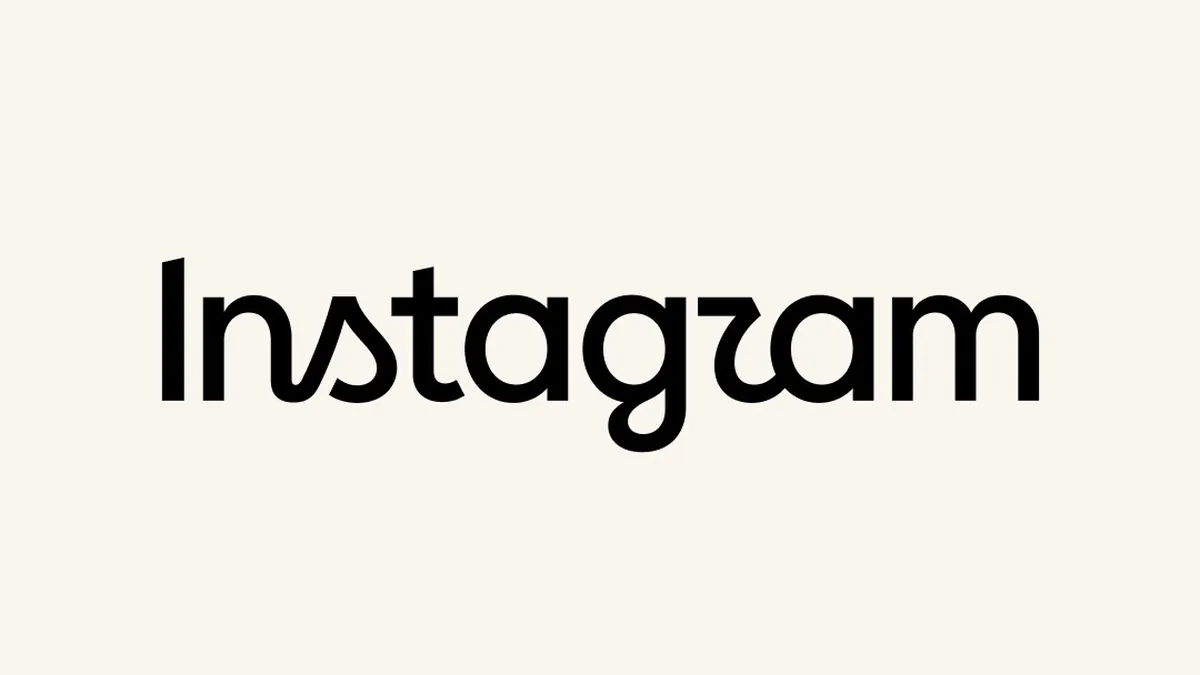
In a world where digital aesthetics are constantly evolving, Instagram recently unveiled a refresh of its wordmark, provoking a wave of reactions that range from admiration to bewilderment. The redesign, which the company’s head, Adam Mosseri, touted as "leaner and more modern," has been met with skepticism, with critics arguing that it exemplifies a troubling trend in design that echoes the pitfalls of generative AI. This article delves into the implications of Instagram's new logo and what it says about contemporary branding in the digital age.
Understanding the Logo Refresh
Instagram's decision to update its logo comes a decade after the last redesign, a period in which the platform has undergone significant changes. Mosseri's comments on simplicity and craft might resonate with the company's ethos, but for many, the new logo appears more like a sign of disarray than a herald of innovation. The new wordmark features a stylized font that draws some inspiration from the original cursive design, yet it leaves viewers questioning its legibility and coherence.
The Design Flaws
Upon first glance, many users have noted an uncanny resemblance between the new logo and the often chaotic output of generative AI systems. The peculiarities in letter formation—such as the unexpected 'z' instead of 'r' and the awkward kerning around certain characters—have led to a collective observation: it looks like a product of AI slop. This term refers to the subpar, almost nonsensical text that generative AI sometimes produces, which can often be confusing and difficult to read.
- Legibility Issues: The new font style makes it challenging to quickly read the brand name, which is a critical flaw for any logo.
- Identity Crisis: The logo's design fails to encapsulate what Instagram stands for, creating a disconnect between the brand identity and its visual representation.
- AI Design Reflection: Critics argue that the logo embodies a broader trend of design influenced by AI, which often prioritizes novelty over clarity and cohesion.

The Broader Context of Branding in the Digital Era
In today's fast-paced digital landscape, branding is more crucial than ever. Companies are continuously seeking ways to stand out in an oversaturated market, and a well-designed logo is often at the forefront of these efforts. However, the introduction of AI into the design process has raised questions about the quality and intent behind corporate branding. As businesses increasingly rely on algorithms for visual identity, the results can sometimes be a disjointed blend of elements that lack the human touch.
AI and Design: A Double-Edged Sword
The integration of AI into design workflows can enhance efficiency and open up new creative possibilities. Yet, it also risks producing outputs that feel generic or disconnected from the brand's core message. This dichotomy is particularly evident in the case of Instagram's logo, which may reflect a reliance on algorithmic solutions rather than a thoughtful, human-centered design process. As brands grapple with these challenges, finding a balance between innovation and authenticity becomes increasingly important.

The Impact on Users and Brand Perception
For users, a logo is more than just a visual element; it’s a representation of the brand's values and identity. When a logo fails to resonate or connects poorly with its audience, it can lead to confusion and dissatisfaction. Instagram's new wordmark may alienate longtime users who feel a sense of nostalgia for the original design while also struggling to understand the new iteration. This disconnect could have broader implications for brand loyalty and engagement.
Consumer Reactions
The response to the logo refresh has been mixed, with some praising its modernity and others criticizing its lack of coherence. This division reflects a deeper conversation about how brands communicate with their audiences. In an age where social media can amplify both praise and criticism within moments, the stakes are higher than ever for companies like Instagram. A poorly received redesign can lead to backlash and even tarnish a brand's reputation.
The Future of Design in a Tech-Driven World
As we move further into an era defined by artificial intelligence and machine learning, the implications for design are profound. Brands are at a crossroads, where the decision to embrace AI in their creative processes must be weighed against the risk of losing their unique identity. Instagram's logo serves as a cautionary tale about the potential pitfalls of prioritizing trendiness over tradition and clarity.
Strategies for Effective Branding
For companies aiming to navigate this complex landscape, several strategies can help ensure that branding efforts align with consumer expectations:
- Emphasize Human-Centered Design: Prioritize user feedback and human intuition in the design process to maintain clarity and resonance.
- Balance Innovation with Identity: Incorporate new technologies in ways that enhance rather than dilute the brand's core message.
- Engage with the Audience: Foster open communication with users to gauge reactions and adapt branding strategies accordingly.
Key Takeaways
- The new Instagram logo has sparked debate over its design quality and legibility.
- Critics argue that it reflects the pitfalls of AI-generated design.
- Branding in the digital age requires balancing innovation with authenticity.
- Companies must prioritize effective communication to maintain brand loyalty.
Frequently Asked Questions
What does the term 'AI slop' refer to in design?
'AI slop' describes the often awkward and imprecise outputs generated by artificial intelligence systems, particularly in creative contexts. This term highlights the challenges that come with relying on algorithmic solutions in design, where the results can sometimes fail to meet human expectations for clarity and coherence.
How important is a logo for a brand's identity?
A logo is a critical component of a brand's visual identity, serving as a recognizable symbol that encapsulates the brand's values and message. A well-designed logo can foster brand loyalty and recognition, while a poor logo may lead to confusion and disengagement among users.
Can AI be effectively used in the design process?
While AI can enhance efficiency and provide innovative solutions, it should be used cautiously in the design process. Successful branding often relies on human intuition and creativity, which AI alone may not fully replicate. Striking a balance between algorithmic efficiency and human insight is key to achieving effective design outcomes.
What steps can brands take to improve their logos?
Brands can improve their logos by focusing on human-centered design principles, engaging with their audience for feedback, and ensuring that their visual identity aligns with their core values. Regularly revisiting and refreshing branding elements can also help maintain relevance in a rapidly changing digital landscape.
Comments
Rising Wait Times for Cancer Surgeries: A Growing Concern in the US
A new study reveals that wait times for cancer surgeries in the US have reached a 10-year high, raising concerns about patient outcomes and healthcare efficiency.

Related articles

Popular in Guides
- Boomers Lead the Charge in Alcohol Abstinence: Insights from New Research
- Understanding the Physics of Silly Sprinklers and Feynman's Reverse Sprinkler Puzzle
- The Coming Air-Conditioning Revolution in Europe: A Necessity or a Luxury?
- Hobbits of Flores: Scavengers or Skilled Hunters?
- US Citizens Infected with Ebola: A Shifting Response Landscape