The Rise of Cocktail Robots: Are They Worth the Investment?
As cocktail robots like Bartesian enter the market, we explore who really needs these high-tech devices. Is it worth the $300 price tag, or just a novelty? Find out more.
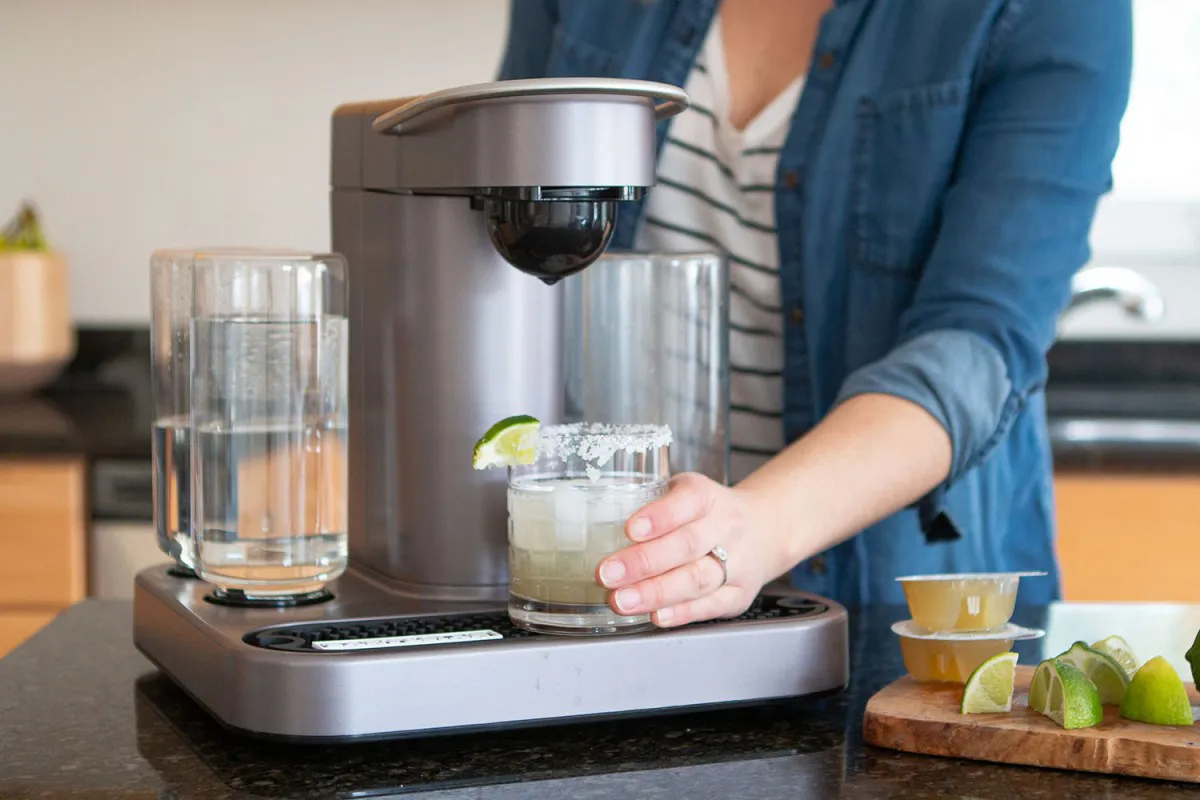
In the world of culinary gadgets, few innovations have stirred as much curiosity—and skepticism—as the cocktail robot. Among them, the Bartesian cocktail maker stands out, likened to a Keurig or Nespresso, but for alcoholic beverages. This sleek machine promises to deliver a variety of cocktails at the push of a button, using hyper-concentrated drink capsules and your choice of liquor. However, a key question looms: who is the intended audience for this $300 electronic bartender? With its ease of use and novelty factor, the Bartesian seems ideal for entertaining guests, but does it really provide the quality experience that cocktail enthusiasts seek?
The Bartesian Duet model, which I had the opportunity to test, allows users to create multi-ingredient cocktails like espresso martinis and mai tais with minimal effort. After loading the machine with up to four types of liquor and inserting a capsule, it scans a barcode to determine the necessary ingredients and adjusts the water content based on the desired drink strength. After a quick mix, the user is left with a cocktail that is, admittedly, easy to prepare. But as I enjoyed my raspberry ginger gimlet, I couldn't ignore the lingering question of who exactly would invest in such a device.
The Mechanics Behind Cocktail Robots
Understanding the Bartesian's technology reveals why these machines are gaining traction in the market. At their core, cocktail robots automate the mixing process, providing convenience and consistency. Users simply select a drink from the machine’s menu, add their preferred spirits, and the robot handles the rest. This automation appeals to those who may want to entertain without the hassle of traditional cocktail crafting.
How It Works
- Capsules: Each capsule contains concentrated flavors and ingredients.
- Barcode Scanning: The machine scans the capsule’s barcode to determine the recipe.
- Customizable Strength: Users can select how strong they want their drink, influencing the water-to-concentrate ratio.
- Shaking: After mixing, the user is prompted to shake the drink over ice before serving.
While the technology is impressive, it raises a critical point regarding authenticity. The capsules contain no alcohol; they offer a non-alcoholic approximation of traditional cocktail ingredients. For instance, making a classic aviation cocktail would not yield the same experience, as it lacks real crème de violette or maraschino liqueur. This leads to a larger conversation about the value of authenticity in the cocktail experience.
Target Audience: Who Will Buy a Cocktail Robot?
After testing the Bartesian, I found myself pondering who the ideal customer might be. This machine does not cater to hardcore cocktail aficionados, as many of its drinks may taste somewhat artificial, especially when compared to a homemade version. Instead, the Bartesian seems to target a few distinct groups:
Potential Buyers
- Social Hosts: Individuals who frequently entertain and want to impress guests without the need for a skilled bartender.
- Casual Drinkers: Those who enjoy cocktails but lack the knowledge or skills to mix them traditionally.
- Retirement Communities: Some suggested that this device could thrive in retirement homes, where residents may enjoy a variety of cocktails without the hassle.
- Co-Working Spaces: In environments where employees unwind after work, a cocktail robot could offer a fun and social experience.
However, it is also essential to consider the limitations of the product. For example, the Bartesian's size may deter potential buyers with limited counter space. Additionally, the ongoing cost of purchasing capsules (approximately $2.50 each) could add up over time, making it less appealing for those on a budget.

The Cocktail Experience: Quality vs. Convenience
While the Bartesian delivers convenience, it inevitably raises questions about the quality of the drinks it produces. During my testing, I found that many of the cocktails could benefit from additional enhancements, such as fresh juices or soda. This practice somewhat undermines the objective of a cocktail-making machine designed for ease and efficiency.
In contrast, traditional cocktail makers often emphasize the quality of ingredients and the art of mixing. Many enthusiasts prefer to handcraft their drinks to ensure the best taste. For this demographic, the Bartesian’s offerings might be perceived as a less satisfying alternative.
Balancing Quality and Novelty
Ultimately, the Bartesian may serve as an interesting novelty for some, but it does not replace the experience of crafting cocktails from scratch. For anyone serious about mixology, the robotic bartender might feel like a compromise. However, it does spark a conversation about the evolving landscape of home entertainment and how technology is reshaping our social experiences.
Key Takeaways
- Automation: Cocktail robots like Bartesian automate the drink-making process, offering convenience.
- Target Audience: Ideal for social hosts, casual drinkers, and possibly retirement communities.
- Quality Concerns: The drinks may taste artificial, lacking real cocktail authenticity.
- Cost: Initial investment of $300 plus ongoing capsule costs may deter budget-conscious consumers.
Frequently Asked Questions
Are cocktail robots worth the investment?
The value of a cocktail robot largely depends on the buyer's lifestyle and preferences. For those who frequently host gatherings or want a quick solution for mixed drinks, it could be a worthwhile purchase. However, for serious cocktail enthusiasts, the lack of authentic ingredients might make it less appealing.
How easy is it to use a cocktail robot like Bartesian?
The Bartesian is designed for simplicity. Users only need to add their preferred spirits and insert a capsule. The machine does the rest, scanning the barcode and mixing the drink according to the selected strength. This ease of use makes it accessible for anyone, regardless of their mixology skills.
What are the ongoing costs associated with a cocktail robot?
In addition to the initial purchase price, users must factor in the cost of cocktail capsules, which run about $2.50 each. Depending on how often you use the machine, these costs can add up quickly, making it essential to consider the long-term financial implications of owning a cocktail robot.
Comments
Instagram's New Logo: A Reflection of AI's Design Shortcomings
Instagram's recent logo refresh has sparked debate about its design quality, drawing comparisons to AI-generated art. While the company aims for modernity, critics see flaws reminiscent of algorithmic mishaps.

Related articles

Popular in Guides
- Boomers Lead the Charge in Alcohol Abstinence: Insights from New Research
- Understanding the Physics of Silly Sprinklers and Feynman's Reverse Sprinkler Puzzle
- The Coming Air-Conditioning Revolution in Europe: A Necessity or a Luxury?
- Hobbits of Flores: Scavengers or Skilled Hunters?
- US Citizens Infected with Ebola: A Shifting Response Landscape