Rising Wait Times for Cancer Surgeries: A Growing Concern in the US
A new study reveals that wait times for cancer surgeries in the US have reached a 10-year high, raising concerns about patient outcomes and healthcare efficiency.
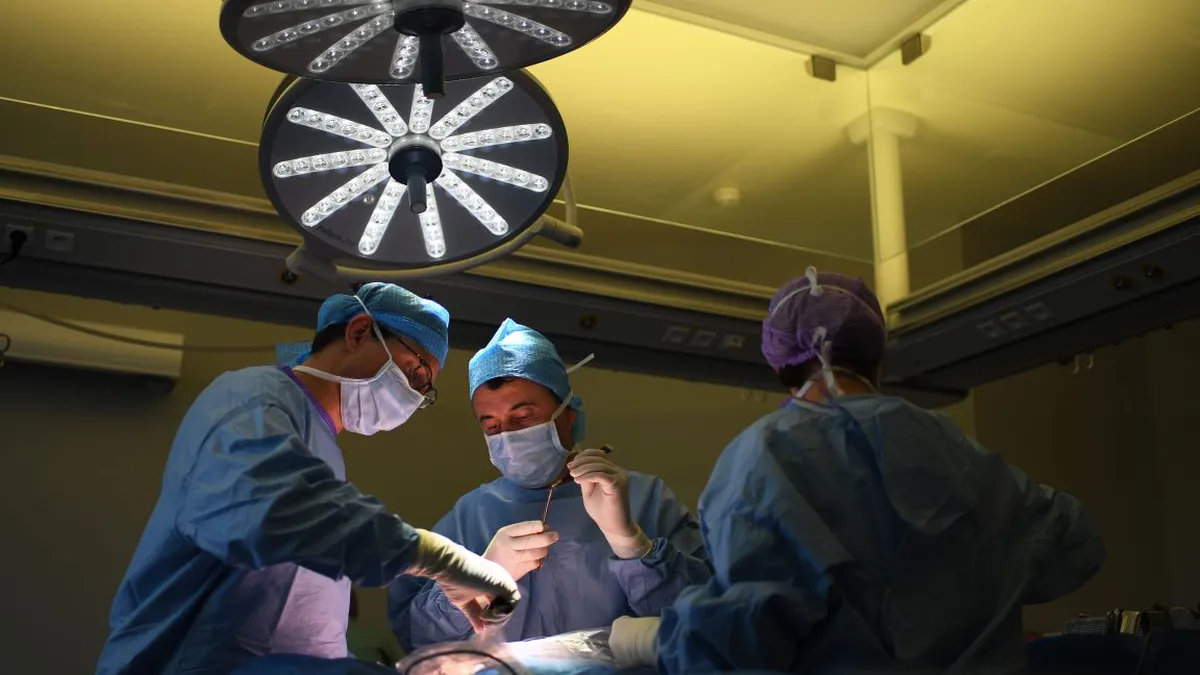
The landscape of cancer treatment in the United States has seen significant advancements in recent years, with improved technologies and therapies contributing to better patient outcomes. However, a troubling trend has emerged that casts a shadow on this progress: the wait times for cancer surgeries have been steadily increasing, reaching alarming levels not seen in a decade. A recent study published in JAMA Surgery has highlighted this issue, revealing that patients suffering from six common types of cancer are facing longer delays before they can undergo essential surgical interventions. This growing backlog raises critical questions about the overall quality of healthcare delivery and its implications for patient survival and well-being.
Conducted by a team of researchers led by cancer expert Timothy Donahue at the University of California, Los Angeles, the study analyzed data from over 2.7 million patients diagnosed with non-metastatic stage I–III cancers from 2012 to 2023. The results indicate a troubling trend: across the board, patients are waiting longer for surgeries, with significant increases noted for breast, colon, lung, pancreatic, gastric, and esophageal cancers. As healthcare systems become more consolidated and centralized, the ramifications of these delays could weigh heavily on patients and the efficacy of cancer care in the United States.

Understanding the Data: A Closer Look at Wait Times
The findings from the study are sobering. Researchers divided the period into four distinct groups: 2012–2015, 2016–2019, 2020–2021, and 2022–2023. When examining the data, it became clear that wait times for surgery have not only risen but have done so incrementally. Below is a breakdown of the changes in wait times for each cancer type:
- Breast Cancer: Increased from 34 days (2012–2015) to 45 days (2022–2023)
- Colon Cancer: Increased from 20 days to 31 days
- Lung Cancer: Increased from 41 days to 53 days
- Pancreatic Cancer: Increased from 23 days to 32 days
- Gastric Cancer: Increased from 35 days to 49 days
- Esophageal Cancer: Increased from 38 days to 48 days
This data indicates a systematic increase in wait times across all cancer types, with many patients experiencing delays of 30 days or more. The proportion of patients facing extreme wait times of 60 days or longer has also surged, further complicating the landscape for cancer care.

The Impact of Healthcare Consolidation
One of the significant factors contributing to the increase in wait times is the consolidation of healthcare systems in the US. As hospitals and treatment centers merge and expand to create centralized, high-volume facilities—often academic institutions—patients are funneled into these locations for treatment. While these specialized centers can provide high-quality care linked to better clinical outcomes, the increased patient load can lead to bottlenecks and longer wait times for surgeries.
Donahue and his colleagues point out that while large treatment centers are well-equipped to handle complex cases and uncommon cancers, they may not be the most efficient option for patients requiring straightforward procedures. Referring uncomplicated cases, such as routine breast-conserving surgeries or simple colon removals, to these high-volume centers may introduce avoidable delays without providing the expected clinical benefits. This misallocation of resources not only affects patient experience but also raises concerns about equity in access to timely care.
Disparities in Access to Care
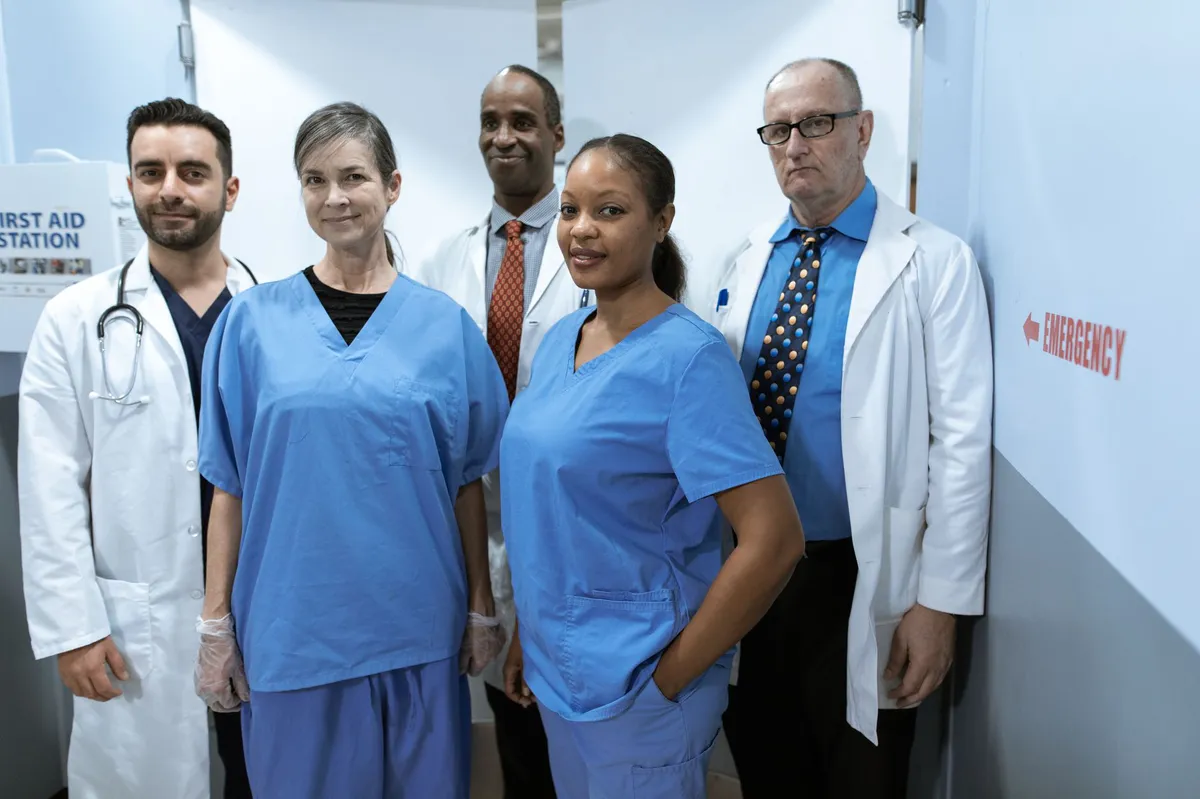
Another significant concern highlighted by the study is the disproportionate impact of increasing wait times on socioeconomically vulnerable populations. Patients who are uninsured, on Medicaid, or belong to racial and ethnic minorities, particularly Black patients compared to their white counterparts, are more likely to experience longer wait times. Additionally, those with lower incomes and those living further away from treatment centers are at a higher risk of prolonged delays.
This disparity in access to timely surgical care raises ethical questions about the fairness of the healthcare system. As wait times increase, vulnerable patients may face not just delays in treatment, but also worse outcomes as a result of their socioeconomic status. Addressing these inequalities should be a priority for healthcare policymakers, with a focus on ensuring that all patients receive timely access to the care they need.
Recommendations for Improving Wait Times
To combat the rising wait times for cancer surgeries, researchers suggest several strategies that could streamline patient care and enhance scheduling efficiency. Here are a few recommendations:
- Increase Patient Capacity: Centralized treatment centers should evaluate their capacity and explore ways to accommodate more patients without sacrificing quality.
- Optimize Scheduling Systems: Implementing more efficient scheduling processes can help reduce bottlenecks and ensure that patients receive timely care.
- Refine Referral Processes: Healthcare systems should be more selective in referring patients to high-volume centers, reserving those centers for complex cases while addressing simpler cases locally.
- Enhance Telehealth Options: Expanding telehealth services can provide more immediate consultations for patients, potentially reducing the need for in-person visits.
- Invest in Community Health Programs: Supporting local healthcare providers and community programs can alleviate pressure on centralized centers and improve access for vulnerable populations.
By implementing these strategies, healthcare systems can work towards mitigating the impact of rising wait times and ensuring that all patients receive the timely surgical care they need.

Key Takeaways
- Wait times for cancer surgeries in the US have reached a 10-year high across multiple cancer types.
- Healthcare consolidation has contributed to increased wait times, creating bottlenecks in patient care.
- Socioeconomic disparities are exacerbated by longer wait times, affecting vulnerable populations the hardest.
- Strategies to improve patient capacity and streamline referral processes are critical to reducing delays.
- Investing in community health initiatives can enhance access to timely care for all patients.
Frequently Asked Questions
What are the main factors contributing to increased wait times for cancer surgeries?
Several interrelated factors are contributing to the rising wait times for cancer surgeries in the US. The consolidation of healthcare systems has led to a concentration of patients at high-volume treatment centers, resulting in bottlenecks and longer wait periods. Additionally, the increasing complexity of cancer cases and the growing demand for specialized care have placed further strain on surgical resources. Socioeconomic disparities also play a crucial role, as vulnerable populations may face additional barriers in accessing timely treatment.
How do longer wait times affect patient outcomes?
Longer wait times for cancer surgeries can adversely affect patient outcomes in several ways. Delays in receiving surgical intervention have been linked to higher rates of cancer progression, increased anxiety among patients, and overall poorer survival rates. Timeliness is a crucial factor in cancer treatment, and extended waits can compromise the effectiveness of therapies, leading to worse prognoses and diminished quality of life.
What can patients do if they are facing long wait times for surgery?
Patients experiencing long wait times for surgery should consider several proactive steps. First, they should communicate openly with their healthcare providers about their concerns regarding delays. Seeking second opinions or exploring alternative treatment centers may also be viable options. Additionally, patients can advocate for their needs by engaging with support groups and patient advocacy organizations, which can provide resources and guidance on navigating the healthcare system effectively.
Are there initiatives in place to address these rising wait times?
While there are no universal solutions to the problem of rising wait times for cancer surgeries, various healthcare organizations and policymakers are exploring initiatives aimed at improving access to timely care. These may include investments in community health programs, enhancements to scheduling systems, and increased funding for local healthcare providers. By prioritizing equity in access to care and addressing the root causes of delays, the healthcare system can work towards ensuring that all patients receive the timely surgical interventions they require.
Comments
Instagram's New Logo: A Reflection of AI's Design Shortcomings
Instagram's recent logo refresh has sparked debate about its design quality, drawing comparisons to AI-generated art. While the company aims for modernity, critics see flaws reminiscent of algorithmic mishaps.

Related articles

Popular in Guides
- Boomers Lead the Charge in Alcohol Abstinence: Insights from New Research
- Understanding the Physics of Silly Sprinklers and Feynman's Reverse Sprinkler Puzzle
- Mark Zuckerberg Acquires Strancally Castle: A Look at His New Irish Estate
- Last Chance to Score Discounts for TechCrunch Disrupt 2026
- The Coming Air-Conditioning Revolution in Europe: A Necessity or a Luxury?