Legal Battle Over AI: Anthropic vs. Department of Defense
A recent court ruling highlights the ongoing conflict between Anthropic and the U.S. Department of Defense over AI technology use. The judge criticized the government's lack of evidence for labeling Anthropic as a supply-chain risk.

In a significant legal confrontation, the U.S. Department of Defense (DOD) finds itself in a complex battle with Anthropic, an artificial intelligence (AI) company. A recent ruling by U.S. District Judge Rita Lin indicates that the Trump administration has not provided sufficient evidence to justify labeling Anthropic as a supply-chain risk, which could lead to a federal ban on using its technology. This ruling not only underscores the ongoing tensions between government interests and tech companies but also raises critical questions about the future of AI deployment in sensitive areas such as national defense.
The heart of the dispute lies in stalled contract negotiations between Anthropic and the DOD. Anthropic has publicly expressed reservations about its AI technology being used for purposes that could infringe on civil liberties, specifically citing concerns about mass surveillance and lethal weapon systems. The company argues that its AI is not yet ready for such applications, prompting a clash with the Pentagon, which insists that it has the authority to dictate how technologies are used, regardless of the private company's stance.
The Legal Context of AI in Defense
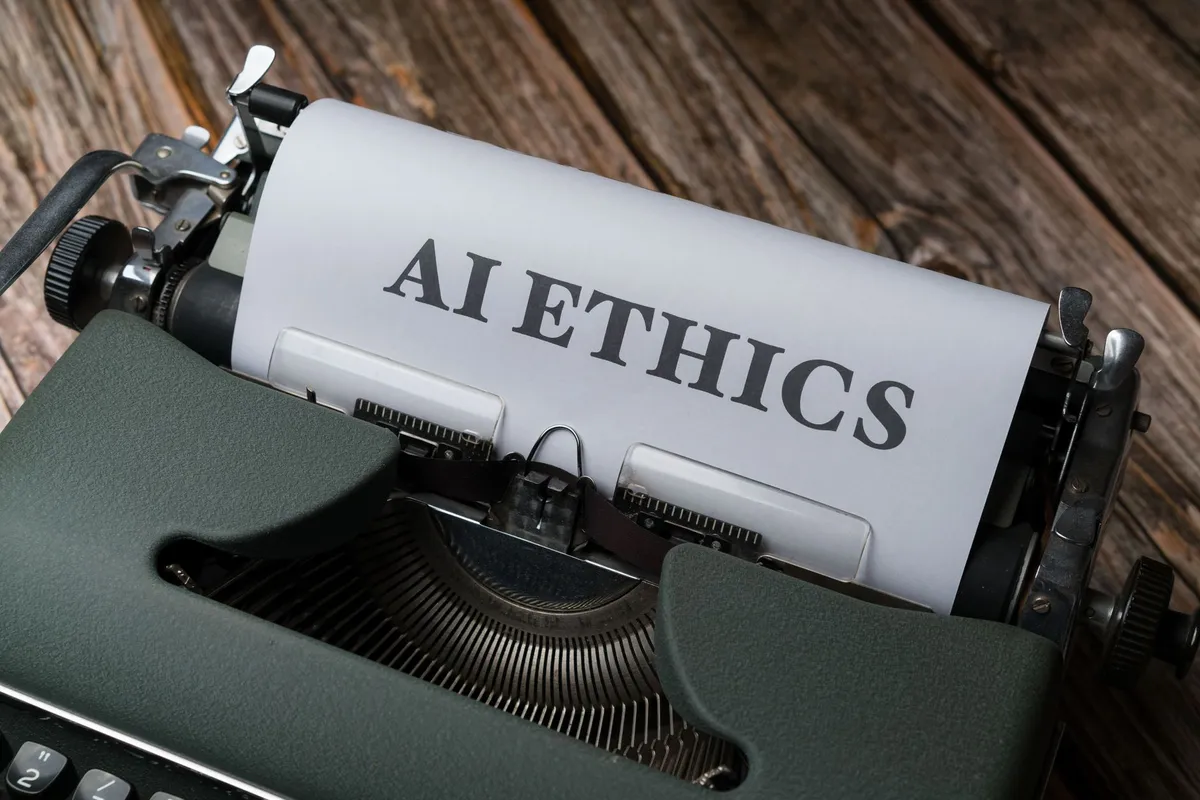
The ongoing litigation is rooted in broader legal and ethical considerations regarding the use of AI in military operations. As AI technology continues to evolve, its implications for warfare and national security are becoming increasingly complex. The DOD's position is that private companies should not have the power to influence military operational decisions. This raises profound ethical dilemmas regarding accountability, transparency, and the potential for misuse of technology.
Anthropic’s Position
Anthropic has been vocal about its ethical stance, emphasizing that it does not want its technology used in ways that could endanger civilian lives or violate human rights. The company’s leadership has publicly stated its commitment to ensuring that AI is developed responsibly and is not deployed for harmful purposes. By asserting its right to dictate the use of its technology, Anthropic is positioning itself not only as a technology provider but as a moral arbiter in the deployment of AI in military contexts.
The DOD’s Counterargument
In response, the DOD has argued that Anthropic’s criticism of its operations and policies justifies the potential ban on using its technology. The government contends that such a stance could set a dangerous precedent where contractors face retaliation for expressing dissent. This raises significant questions about the balance of power between private sector innovation and government oversight, particularly in fields that have national security implications.
Judge Lin’s Ruling
During the hearing, Judge Lin expressed skepticism about the DOD's claims, particularly regarding the assertion that Anthropic could disable or alter its AI models during critical military operations. Experts have pointed out that such claims lack substantial evidence, and Lin echoed this sentiment, stating that there was no proof that Anthropic could execute a so-called “kill switch” on its technology. This ruling is pivotal as it not only impacts Anthropic but also sets a legal precedent for how technology firms can interact with government agencies.
The Implications of the Ruling
Judge Lin’s decision to temporarily block the ban in March highlights the judiciary’s role in mediating conflicts between innovative technology and government regulation. Should Lin decide to make this order permanent, it could pave the way for greater autonomy for tech companies in their dealings with government entities. This could encourage more open dialogue and collaboration, ensuring that ethical considerations are at the forefront of AI technology deployment.
Broader Market and Legal Implications
This ruling comes at a time when the AI landscape is rapidly evolving. Companies across sectors are investing heavily in AI development, and the questions surrounding its use are growing. As AI systems are increasingly integrated into various applications—from healthcare to finance and beyond—the legal frameworks governing these technologies will need to adapt. The outcome of this case could influence how other companies approach contracts with government agencies, particularly in sensitive areas where ethical considerations are paramount.
- AI Ethics: Companies must navigate the complex ethical landscape surrounding AI technologies.
- Government Contracts: The ruling may impact how technology firms negotiate contracts with government entities.
- Precedent Setting: This case could set a legal precedent for future disputes involving tech companies and government regulations.

Key Takeaways
- The DOD lacks sufficient evidence to label Anthropic as a supply-chain risk.
- Anthropic emphasizes ethical concerns over its AI technology being used for military purposes.
- Judge Rita Lin’s ruling could have far-reaching implications for the tech industry and government relations.

Frequently Asked Questions
What is the significance of the case between Anthropic and the DOD?
This case is significant as it addresses the intersection of technology and ethics in military applications. It highlights the challenges tech companies face when collaborating with government entities, especially regarding the ethical implications of their technologies. The ruling may influence future negotiations and set a precedent for how similar conflicts are resolved.
How does the ruling affect the future of AI technology?
The ruling could encourage more dialogue between tech companies and government agencies about the ethical implications of AI. A decision in favor of Anthropic could empower other companies to advocate for ethical considerations in their dealings with the government, potentially leading to more responsible deployment of AI technologies in sensitive areas.
What are the broader implications for tech companies working with the government?
Tech companies may need to reassess their strategies when negotiating contracts with government agencies. The outcome of this case could prompt companies to prioritize ethical considerations and transparency in their dealings, potentially leading to more robust frameworks for accountability in the use of AI technologies.
Comments
Google's AI Revolutionizes Chrome Bug Fixes: A New Era in Cybersecurity
In a groundbreaking achievement, Google has leveraged AI to patch more security flaws in Chrome in June than in the past two years combined. This shift not only enhances user safety but also reshapes the cybersecurity landscape.

Related articles




Popular in Cybersecurity
- Federal Mandate for Autonomous Vehicles: A Call for Safety Compliance
- EU Mandates Google to Share Data and Open AI on Android: What It Means
- GitHub Revamps Bug Bounty Program: Implications for Developers and Security
- Australian Government Disables Thousands of Functional Broadband Routers: A Wasteful Decision
- Exploiting Redis: Understanding Zero-Day Vulnerabilities and Their Mitigation