Understanding the Recent Cybersecurity Threats and How to Protect Your Business
Recent cybersecurity incidents, including npm hijacks linked to North Korea, highlight the vulnerabilities in software supply chains. This article explores these threats and offers practical steps to enhance your organization’s security.
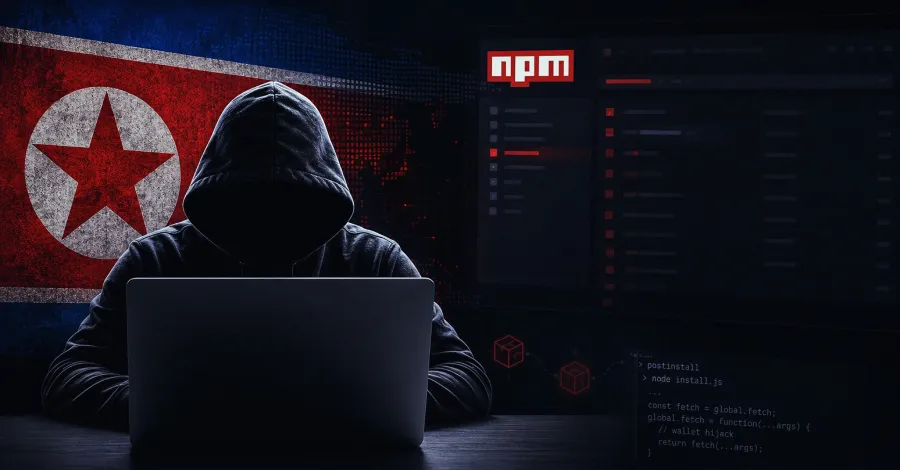
In recent months, the cybersecurity landscape has been shaken by significant incidents that underscore the vulnerabilities inherent in software supply chains. Notably, a series of npm (Node Package Manager) hijacks have been linked to a North Korean cyber operation known as Sapphire Sleet. These events not only highlight the evolving tactics employed by cyber adversaries but also serve as a critical reminder for organizations to bolster their defenses against potential exploits. As businesses increasingly rely on third-party software, understanding these threats and implementing robust security measures is paramount.
With the rise of artificial intelligence (AI) in cybersecurity, businesses now have access to advanced tools that can help identify and mitigate vulnerabilities. However, the mere presence of these tools is not enough; organizations must adopt a proactive approach to secure their systems against the sophisticated methods employed by cybercriminals. This article delves into the recent npm hijacking incidents, their implications, and actionable steps to enhance your organization’s cybersecurity posture.
The npm Hijack Incident and Its Implications
npm is a crucial component of the JavaScript ecosystem, providing developers with a repository for open-source packages. However, its popularity also makes it a target for malicious actors. Recent reports indicate that a group linked to North Korea has exploited npm to infiltrate software development environments, potentially compromising sensitive information and systems.
The Sapphire Sleet operation is characterized by its focus on software supply chain attacks, where cybercriminals inject malicious code into legitimate applications. This tactic not only affects individual developers but can also have widespread ramifications for organizations relying on these packages for their operations. When malicious code is introduced into a widely-used library, it can propagate throughout the software ecosystem, affecting countless applications and systems.
- North Korean actors are increasingly targeting software supply chains.
- npm hijacks can lead to data breaches and system compromises.
- Organizations must stay vigilant against new attack vectors.

How AI is Revolutionizing Cybersecurity
Artificial intelligence has emerged as a game changer in the realm of cybersecurity, enabling organizations to analyze vast amounts of data in real-time and detect anomalies that could indicate a security breach. AI models can help identify vulnerabilities in software before they can be exploited, allowing organizations to patch weaknesses proactively.
The Role of Machine Learning
Machine learning (ML), a subset of AI, plays a critical role in this evolving landscape. By training algorithms on historical data, ML can recognize patterns associated with cyber threats. As new types of attacks emerge, these models can adapt and improve their detection capabilities, providing organizations with a dynamic defense against evolving threats.
Automating Threat Detection
Automating threat detection through AI can significantly reduce the time it takes to identify and respond to incidents. Traditional methods often rely on manual analysis, which can be slow and prone to human error. With AI-driven solutions, organizations can achieve faster response times, minimizing potential damage and reducing recovery costs.

Five Steps to Enhance Your Cybersecurity Posture
To combat the threats highlighted by the npm hijack incident and other emerging cyber risks, organizations should implement a multi-faceted approach to cybersecurity. Here are five essential steps:
- 1. Conduct Regular Security Audits: Routine assessments of your software and systems can help identify vulnerabilities before they can be exploited.
- 2. Implement Dependency Management: Utilize tools to monitor and manage third-party dependencies, ensuring they are secure and up to date.
- 3. Educate Your Team: Provide ongoing training for employees on cybersecurity best practices, including recognizing phishing attempts and securing sensitive data.
- 4. Adopt AI-driven Security Solutions: Leverage AI technologies that can automate threat detection and response, enhancing your overall security posture.
- 5. Establish Incident Response Plans: Develop clear protocols for responding to security incidents to minimize damage and ensure a swift recovery.

Key Takeaways
- Recent npm hijacks have exposed vulnerabilities in software supply chains.
- A North Korean cyber operation, Sapphire Sleet, is linked to these threats.
- AI plays a crucial role in identifying and mitigating cybersecurity risks.
- Implementing proactive measures is essential for safeguarding organizational assets.
Frequently Asked Questions
What is npm hijacking and why is it a concern?
npm hijacking refers to the exploitation of the npm ecosystem by malicious actors who inject harmful code into legitimate packages. This is concerning because it can lead to widespread compromise of applications that rely on these packages, potentially affecting many organizations and users.
How can AI improve cybersecurity strategies?
AI can enhance cybersecurity by providing advanced data analysis and threat detection capabilities. With machine learning algorithms, organizations can identify patterns of behavior that may indicate a security breach, allowing for quicker responses and better protection against evolving threats.
What steps should organizations take to secure their software supply chain?
Organizations should implement strong dependency management practices, conduct regular security audits, and educate their teams about cybersecurity risks. Additionally, leveraging AI-driven security solutions can help automate threat detection and improve overall security resilience.
Comments
Google's AI Revolutionizes Chrome Bug Fixes: A New Era in Cybersecurity
In a groundbreaking achievement, Google has leveraged AI to patch more security flaws in Chrome in June than in the past two years combined. This shift not only enhances user safety but also reshapes the cybersecurity landscape.

Related articles





Popular in Cybersecurity
- Federal Mandate for Autonomous Vehicles: A Call for Safety Compliance
- EU Mandates Google to Share Data and Open AI on Android: What It Means
- GitHub Revamps Bug Bounty Program: Implications for Developers and Security
- Australian Government Disables Thousands of Functional Broadband Routers: A Wasteful Decision
- Exploiting Redis: Understanding Zero-Day Vulnerabilities and Their Mitigation