Understanding SilverFox's Targeting of Japanese Manufacturers with Advanced Cyber Threats
SilverFox's recent attacks on Japanese manufacturers highlight the evolving cybersecurity landscape. This article explores the implications and provides actionable steps for organizations to secure themselves.
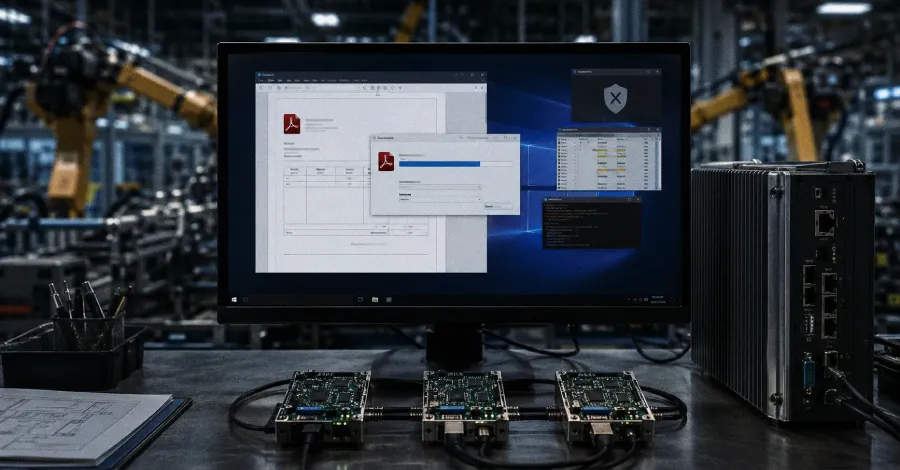
In an era where the digital landscape continuously evolves, the threats posed by cybercriminals have become increasingly sophisticated. One such threat is the recent targeting of Japanese manufacturers by the hacking group SilverFox. Utilizing advanced tactics, including a three-driver Bring Your Own Vulnerable Driver (BYOVD) chain and the notorious ValleyRAT malware, SilverFox's attacks underscore the urgent need for robust cybersecurity measures in the manufacturing sector.
The implications of these cyber threats extend far beyond immediate financial losses. They affect supply chains, intellectual property, and the overall integrity of manufacturing processes. As companies increasingly rely on technology for operational efficiency, the stakes of cybersecurity have never been higher. This article delves into the details of SilverFox's methods, the vulnerabilities they exploit, and how organizations can safeguard themselves in this ever-evolving cyber landscape.
What is SilverFox and Its Targeting Strategy?
SilverFox is a highly organized cybercriminal group known for its targeted attacks against various industries, with a recent focus on Japanese manufacturers. Their strategy often involves sophisticated techniques that leverage existing vulnerabilities within the software and hardware that companies use.
The BYOVD Approach
One of the notable tactics employed by SilverFox is the use of a three-driver BYOVD chain. BYOVD stands for Bring Your Own Vulnerable Driver, a term that refers to the exploitation of legitimate drivers that come with inherent security flaws. By using these vulnerable drivers, attackers can bypass standard security measures and gain deeper access to the target systems.
- It allows attackers to gain elevated privileges on the operating system.
- The attack is stealthy, making it difficult for traditional security measures to detect.
- Vulnerable drivers can often be found in legacy systems that manufacturers may not have updated.
The Role of ValleyRAT Malware
Along with the BYOVD chain, SilverFox has been known to deploy ValleyRAT malware during its attacks. ValleyRAT is a Remote Access Trojan (RAT) that enables attackers to control infected systems remotely. This gives them the ability to steal sensitive data, monitor user activity, and even launch further attacks on connected systems.
The combination of BYOVD and ValleyRAT creates a potent threat that can lead to significant breaches of security. Manufacturers must recognize that their operational technology (OT) is not immune to cyber threats. In fact, as more devices become interconnected, the risk of such targeted attacks increases.
The Impact on Japanese Manufacturers
The consequences of SilverFox's attacks on Japanese manufacturers can be profound. Beyond immediate financial losses due to theft or operational disruption, these attacks can result in long-term damage to brand reputation and customer trust. Japanese manufacturers, known for their precision and quality, risk losing their competitive edge if they fall victim to cyber threats.
Supply Chain Vulnerabilities
Manufacturers operate within complex supply chains, and a breach in one part of the chain can have ripple effects throughout the entire ecosystem. For example, if a manufacturer is compromised, it can lead to delays in production, increased costs, and loss of business to competitors. Additionally, sensitive intellectual property, such as proprietary designs and manufacturing processes, can be at risk.
Regulatory Implications
With the increasing frequency of cyberattacks, regulatory bodies are stepping up their oversight. Manufacturers may face stricter compliance requirements and potential legal ramifications if they fail to safeguard against such threats. This can involve hefty fines and increased scrutiny from regulators, further straining resources.

5 Steps to Secure Against Software Vulnerabilities
In light of the advanced tactics employed by groups like SilverFox, manufacturers must take proactive steps to secure their operations against software vulnerabilities. Here are five actionable measures that organizations can implement:
1. Conduct Regular Security Audits
Regular security audits can help identify vulnerabilities within systems before they can be exploited. This includes reviewing software drivers and ensuring that all components are updated to the latest versions.
2. Implement Robust Access Controls
Limiting access to sensitive systems and data is crucial. Organizations should employ the principle of least privilege, granting users only the access they need to perform their job functions.
3. Invest in Advanced Threat Detection Solutions
Traditional antivirus solutions may not suffice against sophisticated attacks. Investing in advanced threat detection tools that utilize AI and machine learning can help identify unusual behaviors indicative of a cyberattack.
4. Educate Employees on Cybersecurity Best Practices
Human error remains one of the leading causes of security breaches. Regular training sessions that educate employees on recognizing phishing attempts and other common attack vectors can mitigate risks.
5. Establish Incident Response Plans
Having a well-defined incident response plan can significantly reduce the impact of a cyberattack. Organizations should prepare for potential breaches by outlining clear steps for containment and recovery.

Key Takeaways
- SilverFox's use of BYOVD and ValleyRAT highlights the sophistication of modern cyber threats.
- Manufacturers must be vigilant regarding supply chain vulnerabilities that can affect their operations.
- Regular security audits and employee training are essential in preventing cyberattacks.
- Implementing advanced threat detection solutions can enhance cybersecurity posture.
- Having an incident response plan is critical for effective breach management.
Frequently Asked Questions
What is BYOVD and why is it significant?
BYOVD stands for Bring Your Own Vulnerable Driver, a technique where attackers exploit legitimate drivers that have known vulnerabilities. This is significant because it allows cybercriminals to gain elevated privileges within a system, making it easier for them to execute attacks undetected.
How can manufacturers protect themselves from cyber threats?
Manufacturers can protect themselves by conducting regular security audits, implementing robust access controls, investing in advanced threat detection solutions, educating employees on cybersecurity best practices, and establishing incident response plans. These steps can create a comprehensive security strategy that mitigates risks.
What are the potential consequences of a cyberattack on a manufacturer?
The consequences of a cyberattack can include financial losses, disruption of operations, loss of sensitive intellectual property, damage to reputation, and regulatory penalties. The ripple effect of a breach can impact the entire supply chain, leading to long-term ramifications for the business.
Why is employee training important in cybersecurity?
Employee training is crucial because human error is one of the leading causes of security breaches. By educating employees about cybersecurity risks and best practices, organizations can significantly reduce the chances of falling victim to attacks that exploit human vulnerabilities, such as phishing.
Comments
Google's AI Revolutionizes Chrome Bug Fixes: A New Era in Cybersecurity
In a groundbreaking achievement, Google has leveraged AI to patch more security flaws in Chrome in June than in the past two years combined. This shift not only enhances user safety but also reshapes the cybersecurity landscape.

Related articles







Popular in Cybersecurity
- Federal Mandate for Autonomous Vehicles: A Call for Safety Compliance
- EU Mandates Google to Share Data and Open AI on Android: What It Means
- GitHub Revamps Bug Bounty Program: Implications for Developers and Security
- Australian Government Disables Thousands of Functional Broadband Routers: A Wasteful Decision
- Exploiting Redis: Understanding Zero-Day Vulnerabilities and Their Mitigation