FCC Takes Action Against Foreign Tech: Cybersecurity Risks and Solutions
The FCC has blocked certain foreign-produced robots and power inverters due to cybersecurity concerns. This article explores the implications of this decision and offers actionable steps to enhance your organization's cybersecurity posture.
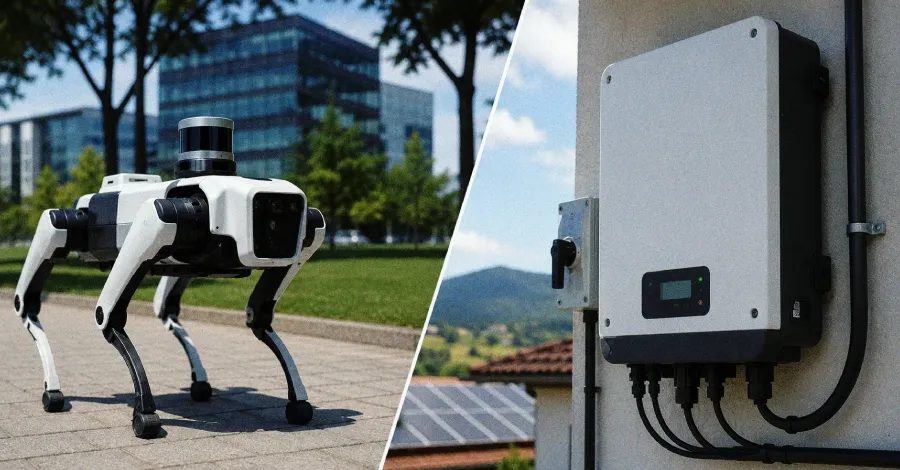
In a significant move reflecting growing concerns over cybersecurity, the Federal Communications Commission (FCC) has blocked the importation of certain foreign-produced robots and power inverters. This decision signals a pivotal stance against potential cybersecurity threats posed by technology sourced from foreign entities. As the digital landscape becomes more interconnected, such actions by regulatory bodies underscore the critical importance of safeguarding infrastructure against cyber vulnerabilities that could jeopardize national security.
The implications of this FCC ruling extend beyond mere compliance; they raise fundamental questions about the reliability of technology supply chains and the responsibility of manufacturers to ensure the security of their products. These developments compel organizations to reassess their cybersecurity strategies, particularly as artificial intelligence (AI) continues to evolve and play a crucial role in identifying and mitigating software vulnerabilities.
The FCC's Decision: Context and Implications
The FCC's decision to block foreign robots and power inverters is rooted in escalating concerns over cybersecurity vulnerabilities that can be exploited by adversarial entities. Such devices, if compromised, could potentially allow unauthorized access to critical infrastructure, posing risks not only to individual organizations but also to national security at large.
As the FCC acts to preserve the integrity of U.S. communications and technology infrastructure, businesses must recognize that the threats are not just theoretical. Previous incidents, such as high-profile data breaches and cyberattacks targeting essential services, underscore the reality of these risks. Organizations must therefore be proactive in evaluating their technology acquisitions and ensuring they comply with evolving regulatory standards.

The Role of AI in Cybersecurity
Artificial intelligence has emerged as a double-edged sword in the world of cybersecurity. On the one hand, AI can enhance security measures, enabling organizations to identify and respond to threats more efficiently. On the other hand, as AI technology becomes more sophisticated, so too do the tactics employed by cybercriminals, who leverage AI to craft more sophisticated attacks.
AI models can analyze vast amounts of data, identifying patterns and anomalies that may indicate a cyber threat. Organizations are increasingly incorporating AI-driven solutions into their cybersecurity frameworks to bolster defenses against evolving threats. However, integrating AI into security strategies isn't without its challenges, necessitating a deep understanding of both the technology's capabilities and its limitations.
5 Steps to Secure Against Software Vulnerabilities
To effectively protect against the vulnerabilities highlighted by AI models, organizations should adopt a multi-faceted approach to cybersecurity. Here are five actionable steps to enhance your organization's security posture:
- Conduct Regular Security Audits: Regularly assess your systems for vulnerabilities by conducting thorough security audits. Identify weaknesses in your infrastructure and address them promptly.
- Implement Robust Access Controls: Limit access to sensitive systems and data to only those individuals who need it. Use multi-factor authentication (MFA) to add an extra layer of security.
- Stay Updated with Patches: Ensure that all software and systems are regularly updated to address known vulnerabilities. This includes applying patches released by vendors.
- Invest in AI-Driven Security Tools: Utilize AI-based cybersecurity solutions to enhance threat detection and response capabilities. These tools can analyze patterns and detect anomalies more effectively than traditional methods.
- Educate Employees: Conduct regular training sessions to educate employees about cybersecurity best practices. Ensure they understand the importance of cybersecurity and how to recognize potential threats.

The Bigger Picture: Supply Chain Security
The FCC's actions serve as a wake-up call for organizations to prioritize supply chain security. As businesses increasingly rely on third-party vendors and foreign technology, understanding the security posture of these suppliers becomes critical. Organizations must implement stringent vetting processes for vendors and manufacturers, ensuring that any technology utilized aligns with security standards that protect against potential cyber threats.
Moreover, developing a comprehensive incident response plan is essential. Such a plan should outline procedures for responding to a cybersecurity incident, including communication strategies, recovery steps, and responsibilities of key personnel. By being prepared, organizations can mitigate the impact of any breaches that may occur.

Key Takeaways
- The FCC has blocked foreign robots and power inverters over cybersecurity threats.
- AI plays a crucial role in identifying and mitigating software vulnerabilities.
- Organizations must take proactive steps to enhance their cybersecurity posture.
- Supply chain security is critical in preventing potential cyber threats.
- Regular training and awareness programs can bolster an organization's defenses.
Frequently Asked Questions
Why did the FCC block certain foreign technology?
The FCC's decision to block the importation of foreign-produced robots and power inverters stems from concerns that these devices may pose cybersecurity risks. By preventing their entry, the FCC aims to protect U.S. communications and technology infrastructure from potential adversarial attacks.
How can AI enhance cybersecurity efforts?
AI enhances cybersecurity by analyzing vast datasets to identify patterns and anomalies indicative of cyber threats. Organizations leveraging AI-driven security tools can detect potential vulnerabilities more efficiently and respond to threats in real-time, thus strengthening their overall security posture.
What should organizations do to improve their cybersecurity measures?
Organizations can improve their cybersecurity measures by conducting regular security audits, implementing robust access controls, ensuring timely software updates, investing in AI-driven security solutions, and educating employees about cybersecurity best practices. These steps create a comprehensive approach to mitigating cyber risks.
What role does supply chain security play in cybersecurity?
Supply chain security is vital in cybersecurity as it involves assessing the security posture of third-party vendors and technology providers. By ensuring that all technology utilized by an organization meets stringent security standards, businesses can reduce the risk of cyber threats stemming from compromised supply chains.
Comments
Google's AI Revolutionizes Chrome Bug Fixes: A New Era in Cybersecurity
In a groundbreaking achievement, Google has leveraged AI to patch more security flaws in Chrome in June than in the past two years combined. This shift not only enhances user safety but also reshapes the cybersecurity landscape.

Related articles





Popular in Cybersecurity
- Federal Mandate for Autonomous Vehicles: A Call for Safety Compliance
- EU Mandates Google to Share Data and Open AI on Android: What It Means
- GitHub Revamps Bug Bounty Program: Implications for Developers and Security
- Australian Government Disables Thousands of Functional Broadband Routers: A Wasteful Decision
- Exploiting Redis: Understanding Zero-Day Vulnerabilities and Their Mitigation