Harnessing AI in Cybersecurity: Microsoft Copilot and Beyond
As AI technologies like Microsoft Copilot reshape productivity tools, they also introduce new security challenges. This article explores how to secure your organization against vulnerabilities and leverage AI effectively.
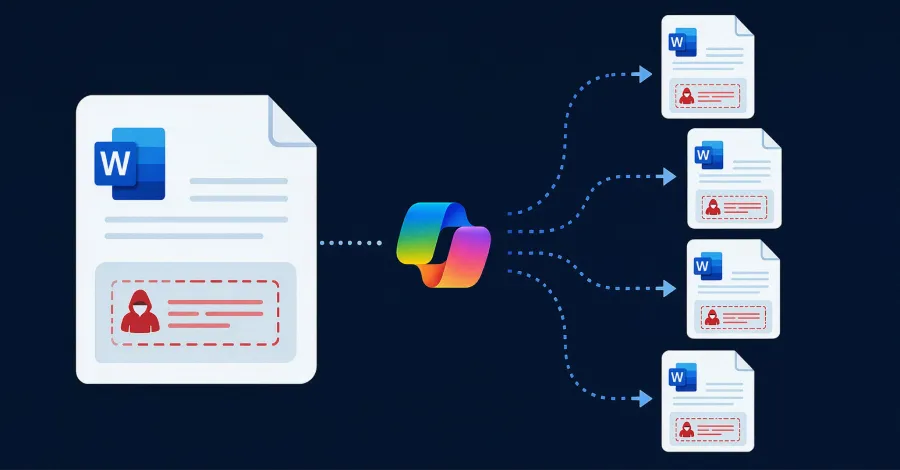
The rise of artificial intelligence (AI) has transformed various sectors, with its impact on productivity tools being particularly significant. Microsoft’s Copilot, which integrates AI capabilities into its Microsoft Word application, is a prime example of how AI can enhance user experience. However, with these advancements come new security concerns, particularly regarding software vulnerabilities that can be exploited by malicious actors. As organizations increasingly adopt AI-driven tools, understanding how to manage these risks is crucial for maintaining cybersecurity.
In this article, we will delve into how Microsoft Copilot works, the potential security vulnerabilities it introduces, and practical steps organizations can take to secure their environments against AI-related threats.
Understanding Microsoft Copilot’s Functionality
Microsoft Copilot is designed to assist users in creating and editing documents more efficiently by leveraging natural language processing (NLP) and machine learning. By analyzing user prompts and document contexts, Copilot can generate text, suggest edits, and even automate formatting tasks. While this enhances productivity, it also raises important considerations regarding the handling of sensitive information.
Hidden Prompts and Data Leakage
One of the more concerning aspects of AI-driven applications like Copilot is their ability to copy hidden prompts or metadata into new documents. This can occur when users generate content based on previous documents that may contain sensitive or confidential information. If not properly managed, organizations risk unintentionally exposing proprietary data or personal information.

Potential Cybersecurity Risks of AI Tools
As AI tools become more prevalent in business environments, they introduce a unique set of cybersecurity risks. These can be classified into several categories:
- Data Leakage: As mentioned, hidden prompts can carry sensitive information from one document to another.
- Malicious Exploits: Cybercriminals may exploit AI tools to create convincing phishing emails or generate malicious code.
- Model Poisoning: Attackers can manipulate the training data of AI models, leading to compromised outputs that can damage an organization’s reputation or operations.
- Inadequate Security Measures: Many organizations may fail to implement robust security protocols for AI tools, leaving them vulnerable to attacks.
Securing Your Organization Against AI Vulnerabilities
To navigate the potential risks associated with AI tools, organizations should take proactive steps to safeguard their data and systems. Here are five essential practices to consider:
1. Conduct Regular Security Audits
Performing regular security audits can help identify vulnerabilities in your AI tools and overall IT infrastructure. These audits should include assessments of software configurations, user access controls, and data management practices.
2. Implement Role-Based Access Control (RBAC)
By restricting access to sensitive information based on user roles, organizations can minimize the risk of unauthorized data exposure. RBAC ensures that only those who need access to certain information can view or manipulate that data.
3. Educate Employees on Security Best Practices
Human error is often a significant factor in data breaches. Training employees on recognizing phishing attempts, secure document handling, and the importance of data privacy can greatly reduce risks.
4. Monitor AI Outputs
Continuous monitoring of AI-generated outputs can help organizations detect anomalous behavior, such as the inadvertent sharing of sensitive information. This can involve using additional security tools that analyze the content generated by AI applications.
5. Stay Updated with Security Patches
Regularly updating software and applying security patches is essential for protecting against known vulnerabilities. Ensure that all AI tools, including Microsoft Copilot, are kept up to date to mitigate risks.

The Role of AI in Future Cybersecurity Strategies
Despite the security challenges posed by AI tools, they also offer significant advantages in enhancing cybersecurity measures. AI can analyze vast amounts of data quickly, identify patterns, and respond to threats in real-time, making it an invaluable asset for organizations looking to bolster their security postures.
As AI technology continues to evolve, it will be crucial for organizations to balance the benefits of AI-enhanced productivity with the necessity of robust cybersecurity practices. Embracing AI responsibly requires ongoing vigilance and a commitment to security best practices.

Key Takeaways
- Microsoft Copilot enhances productivity but introduces potential security risks.
- Hidden prompts in AI-generated documents can lead to data leakage.
- Regular security audits and employee training are essential for safeguarding against vulnerabilities.
- AI has the potential to bolster cybersecurity measures if used responsibly.
- Staying updated with security patches is crucial for maintaining secure AI tools.
Frequently Asked Questions
What is Microsoft Copilot and how does it work?
Microsoft Copilot is an AI-powered feature integrated into Microsoft Word that assists users by generating text, suggesting edits, and automating tasks based on natural language prompts. By analyzing the context of a document and previous user inputs, Copilot can streamline the writing process and enhance productivity.
What are the main security concerns with AI tools?
AI tools can introduce several security concerns, including data leakage from hidden prompts, the risk of malicious exploits through AI-generated content, and the potential for model poisoning. Organizations must be aware of these risks to implement effective security measures.
How can organizations protect against AI-related vulnerabilities?
Organizations can protect against AI-related vulnerabilities by conducting regular security audits, implementing role-based access control, educating employees on security best practices, monitoring AI outputs, and ensuring software updates and security patches are applied consistently.
Can AI improve cybersecurity efforts?
Yes, AI can significantly enhance cybersecurity efforts by analyzing data quickly, identifying patterns indicative of security threats, and automating responses to potential attacks. Organizations that leverage AI responsibly can improve their overall security posture while benefiting from increased productivity.
Comments
Google's AI Revolutionizes Chrome Bug Fixes: A New Era in Cybersecurity
In a groundbreaking achievement, Google has leveraged AI to patch more security flaws in Chrome in June than in the past two years combined. This shift not only enhances user safety but also reshapes the cybersecurity landscape.

Related articles







Popular in Cybersecurity
- Federal Mandate for Autonomous Vehicles: A Call for Safety Compliance
- EU Mandates Google to Share Data and Open AI on Android: What It Means
- GitHub Revamps Bug Bounty Program: Implications for Developers and Security
- Australian Government Disables Thousands of Functional Broadband Routers: A Wasteful Decision
- Exploiting Redis: Understanding Zero-Day Vulnerabilities and Their Mitigation