Zoox Clears Major Hurdle to Launch Autonomous Robotaxi Service
Zoox has received a significant federal exemption to begin charging for rides in its autonomous robotaxis, marking a crucial step toward commercial operations. This development not only showcases advancements in autonomous vehicle technology but also sets a precedent for regulatory frameworks in the industry.
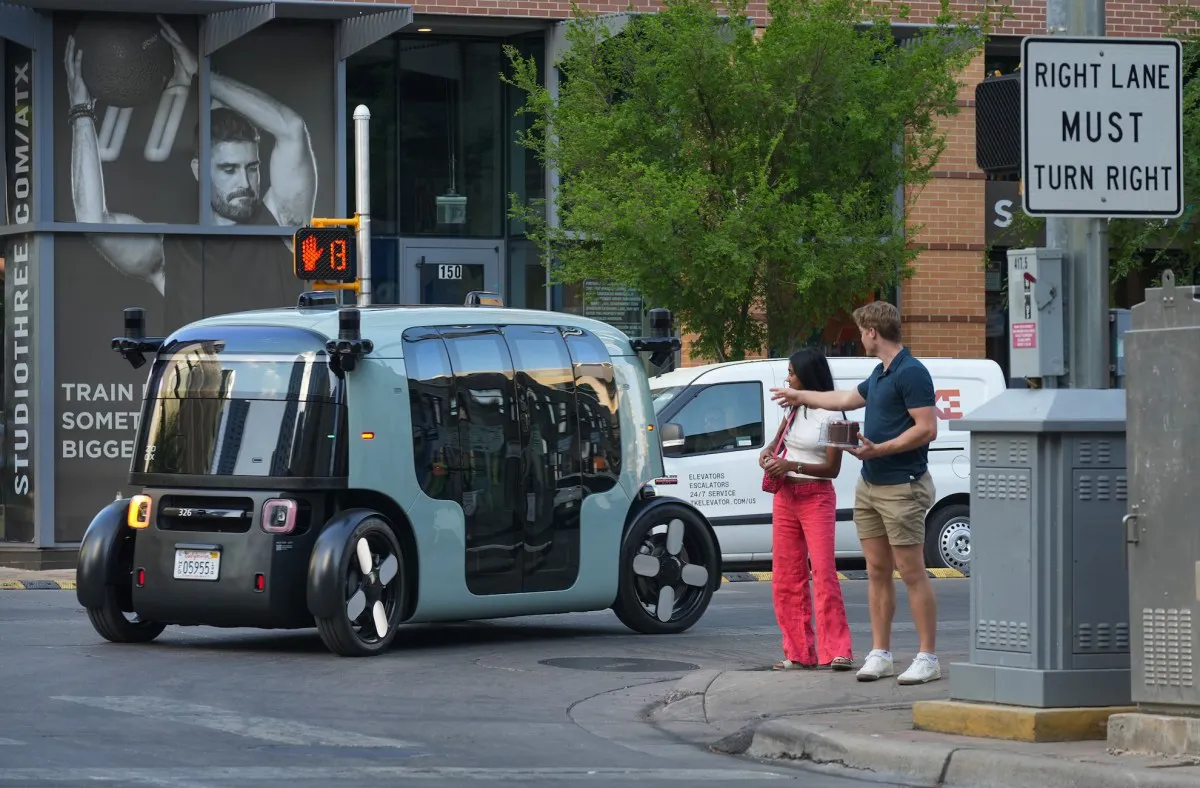
In a landmark development for the autonomous vehicle industry, Zoox, a subsidiary of Amazon, has received a temporary exemption from federal safety regulations that will allow it to charge for rides in its custom-built robotaxis. The National Highway Traffic Safety Administration (NHTSA) announced this exemption, which represents one of the final regulatory hurdles Zoox needed to overcome before launching its commercial robotaxi service. This decision opens a new chapter in the burgeoning field of autonomous mobility, with implications for both consumers and the broader automotive landscape.
The NHTSA's exemption allows Zoox to bypass certain federal motor vehicle safety standards, notably for its unique vehicles designed without traditional controls such as steering wheels and pedals. This exemption is critical, as it supports the company's goal of transforming urban transportation through fully autonomous ride-hailing services.
Understanding the Regulatory Landscape
Zoox's journey to this milestone has involved navigating a complex regulatory environment. The NHTSA's recent approval allows the company to operate a commercial fleet of up to 2,500 robotaxis annually for two years. This temporary exemption covers eight specific safety standards, including those related to windshield defrosting systems and vehicle braking systems.
The Importance of Regulatory Compliance
Regulatory compliance is paramount in the autonomous vehicle sector. The NHTSA has established guidelines to ensure that any new technology, especially in the realm of public transportation, maintains a robust safety profile. By granting Zoox this exemption, the agency is not only acknowledging the innovative approach taken by the company but is also adjusting its regulatory framework to accommodate emerging technologies.
What This Means for Zoox and Consumers
With the green light to start charging for rides, Zoox plans to commence its operations in Las Vegas, a city that has become a testing ground for autonomous vehicle technologies. This city is particularly well-suited for robotaxis due to its dense population and high tourist traffic, providing an ideal environment for the initial rollout of Zoox's services.
Consumer Benefits and Market Implications
The introduction of paid robotaxi services is poised to offer numerous benefits to consumers, including:
- Cost Savings: Potentially lower fares compared to traditional taxi services.
- Convenience: On-demand rides available at the tap of a button.
- Accessibility: Enhanced mobility options for individuals unable to drive.
Moreover, the success of Zoox's robotaxi service may pave the way for other companies to follow suit, fostering competition and innovation within the autonomous vehicle market.
Technological Innovations Driving the Change
Zoox's vehicle design represents a significant departure from conventional automobiles. By eliminating the need for a driver, the company is not only reimagining the structure of vehicles but also the entire user experience associated with transportation. The robotaxis are designed specifically for ride-hailing, featuring unique configurations that prioritize passenger comfort and safety.
Advanced Features and Safety Protocols
Among the innovative features of Zoox's robotaxis are:
- Custom-built chassis: Optimized for passenger space and safety.
- Robust AI systems: Enabling real-time decision making in complex urban environments.
- Integrated safety measures: Including multiple sensors and redundant systems to minimize risks.
These technological advancements are critical as Zoox seeks to establish itself as a leader in the autonomous vehicle sector, which is rapidly evolving with new players and technologies.
The Future of Autonomous Mobility
The broader implications of Zoox's approval extend beyond its own operations. The NHTSA has also announced updates to the exemption process that will allow other automakers to test non-compliant vehicles for research and development purposes. This initiative is designed to gather data and create national safety standards for autonomous vehicles, further enhancing the regulatory environment.
Collaboration and Industry Partnerships
To support the development of these standards, the NHTSA is partnering with the SAE Industry Technologies Consortia in a three-year, $5 million project aimed at establishing a unified set of performance metrics for autonomous vehicles. This collaboration underscores the importance of industry-wide cooperation in advancing the safe deployment of autonomous technologies.
Key Takeaways
- Zoox has received a federal exemption to launch a paid robotaxi service.
- The company can operate a fleet of up to 2,500 vehicles for two years.
- Las Vegas will be the first city to experience Zoox's commercial services.
- The NHTSA is updating its regulatory framework to accommodate autonomous vehicles.
- Collaboration with industry partners aims to establish national safety standards.

Frequently Asked Questions
What are the implications of Zoox's federal exemption?
Zoox's federal exemption allows it to begin charging customers for rides, marking a significant development in the commercialization of autonomous vehicles. This approval not only sets a precedent for Zoox but also for other companies looking to enter the robotaxi market. It indicates a shift in regulatory attitudes towards innovative technologies, which could accelerate the pace of deployment across the country.
How does Zoox's vehicle design differ from traditional cars?
Unlike conventional vehicles, Zoox's robotaxis are designed without steering wheels and pedals, focusing entirely on automation. This design choice reflects the company's commitment to creating a passenger-centric experience, optimizing space and safety in ways that traditional vehicles cannot. These innovations are critical for ensuring passenger comfort and operational efficiency in an autonomous environment.
What role does the NHTSA play in the development of autonomous vehicles?
The NHTSA serves as the regulatory body overseeing vehicle safety in the United States. Its role includes evaluating new technologies, establishing safety standards, and providing exemptions for innovative vehicles, like those from Zoox. By adapting its regulations to accommodate the evolving landscape of autonomous mobility, the NHTSA aims to ensure that safety remains a paramount concern while fostering technological advancements.
Comments
Google's AI Revolutionizes Chrome Bug Fixes: A New Era in Cybersecurity
In a groundbreaking achievement, Google has leveraged AI to patch more security flaws in Chrome in June than in the past two years combined. This shift not only enhances user safety but also reshapes the cybersecurity landscape.

Related articles





Popular in Cybersecurity
- Federal Mandate for Autonomous Vehicles: A Call for Safety Compliance
- EU Mandates Google to Share Data and Open AI on Android: What It Means
- GitHub Revamps Bug Bounty Program: Implications for Developers and Security
- Australian Government Disables Thousands of Functional Broadband Routers: A Wasteful Decision
- Exploiting Redis: Understanding Zero-Day Vulnerabilities and Their Mitigation