Coordinated Cyberattack on Minnesota Water Systems: What You Need to Know
A recent cyberattack targeting over 30 water systems in Minnesota has raised alarms in the cybersecurity community. This article explores the implications, security measures, and steps organizations can take to safeguard against similar threats.
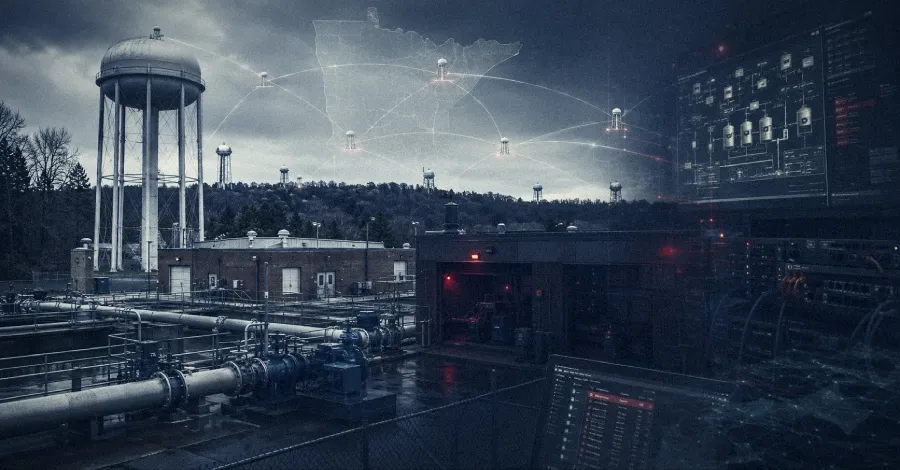
In a disturbing turn of events, a coordinated cyberattack has targeted more than 30 water systems in Minnesota, disrupting operations and raising significant concerns about infrastructure security nationwide. As one water treatment plant was forced offline, it became evident that critical water systems are not immune to the vulnerabilities that plague many sectors in today’s digital landscape. This incident underscores the importance of robust cybersecurity measures, especially as threats grow increasingly sophisticated.
The implications of such attacks extend beyond immediate operational disruptions—they can impact public safety, local economies, and trust in essential services. As organizations grapple with the realities of cybersecurity, understanding how to protect infrastructure becomes paramount. This article delves into the recent Minnesota incident, the cybersecurity landscape, and actionable steps organizations can take to mitigate risks.
Understanding the Minnesota Cyberattack
The recent cyberattack on Minnesota’s water systems represents a worrying trend in the targeting of critical infrastructure. While specific details about the attack remain limited, authorities confirmed that over 30 systems were compromised, with one plant going offline. These attacks are typically orchestrated by sophisticated cybercriminals who view essential services as lucrative targets.
Water treatment facilities, like those affected in Minnesota, play a vital role in public health and safety. A successful cyberattack could lead to contamination of water supplies, operational failures, and can even create panic among the residents of affected regions. The attack serves as a reminder that any entity connected to the internet is potentially vulnerable to cyber threats.
The Importance of Cybersecurity in Critical Infrastructure
Critical infrastructure, including water systems, energy grids, and transportation networks, is increasingly reliant on interconnected technologies. While this connectivity enhances efficiency, it also introduces new risks. Cybersecurity experts emphasize the need for stringent security measures to defend against potential threats.
Key Vulnerabilities in Critical Infrastructure
- Legacy Systems: Many water systems operate on outdated technology, making them susceptible to exploitation.
- Insufficient Security Protocols: Lack of comprehensive cybersecurity policies can lead to vulnerabilities.
- Human Error: Employees may unintentionally expose systems to threats through phishing attacks or poor password practices.
- Interconnected Networks: As systems become more interlinked, a breach in one area can cascade to others.
To combat these vulnerabilities, organizations must adopt a proactive approach to cybersecurity, including regular assessments and updates to their security practices.
Leveraging AI for Cybersecurity Defense
Artificial Intelligence (AI) has emerged as a game-changer in the field of cybersecurity. By utilizing AI models, organizations can enhance their ability to detect and respond to software vulnerabilities more effectively. AI can analyze vast amounts of data in real-time, identifying patterns and anomalies that may indicate a potential breach.
Implementing AI Solutions
Here are some ways organizations can leverage AI to bolster their cybersecurity defenses:
- Predictive Analytics: AI can forecast potential vulnerabilities based on historical data and emerging trends.
- Automated Threat Detection: Machine learning algorithms can identify and respond to threats faster than human teams.
- Incident Response: AI can help streamline incident response protocols, ensuring that organizations react swiftly to breaches.
However, while AI offers promising advantages, it is not a panacea. Organizations must ensure that AI systems are properly configured and monitored to prevent potential misuse or exploitation.

Five Steps to Secure Against Cyber Vulnerabilities
In light of the recent cyberattacks, it is crucial for organizations to adopt comprehensive cybersecurity strategies. Here are five essential steps to enhance security against software vulnerabilities:
- 1. Conduct Regular Security Audits: Regularly assess your systems for vulnerabilities and update security protocols accordingly.
- 2. Train Employees: Implement ongoing training programs to educate staff about cybersecurity best practices and the importance of vigilance.
- 3. Invest in AI-Driven Solutions: Explore AI tools that can enhance threat detection and response capabilities.
- 4. Develop Incident Response Plans: Create and regularly update incident response plans to ensure preparedness for potential breaches.
- 5. Collaborate with Experts: Engage cybersecurity professionals to review your systems and provide insights on potential risks.
By taking these steps, organizations can significantly reduce their risk of falling victim to cyberattacks and safeguard their critical infrastructure.

Key Takeaways
- The recent cyberattack on Minnesota water systems highlights vulnerabilities in critical infrastructure.
- AI can play a crucial role in enhancing cybersecurity defenses and threat detection.
- Organizations should implement comprehensive security strategies to safeguard against cyber threats.
- Regular training and audits are vital to maintaining a strong security posture.
- Collaboration with cybersecurity experts can provide valuable insights and guidance.
Frequently Asked Questions
What are the risks associated with cyberattacks on critical infrastructure?
Cyberattacks on critical infrastructure, such as water systems, pose significant risks to public safety and health. A successful attack can disrupt essential services, potentially leading to contamination, operational failures, and widespread panic. These risks highlight the necessity for robust cybersecurity measures in protecting vital resources.
How can AI improve cybersecurity measures?
AI enhances cybersecurity by enabling faster threat detection and response. AI systems can analyze large datasets to identify potential vulnerabilities and anomalous patterns indicative of cyber threats. By automating threat detection, organizations can respond more quickly to potential breaches, minimizing damage and reducing response times.
What steps should organizations take to mitigate cybersecurity risks?
Organizations should establish a comprehensive cybersecurity strategy that includes regular security audits, employee training, investment in AI-driven tools, development of incident response plans, and collaboration with cybersecurity experts. These steps can help organizations stay ahead of evolving cyber threats and protect critical infrastructure.
Is it necessary to involve cybersecurity professionals for small organizations?
While smaller organizations may have fewer resources, engaging cybersecurity professionals is still crucial. Cyber threats can affect organizations of any size, and professionals can provide tailored advice and strategies to enhance security measures. Investing in cybersecurity is not only about protecting against attacks but also ensuring compliance with regulations and maintaining trust with clients and customers.
Comments
How Cybercriminals Exploit Cloned Sites: Understanding the Threat Landscape
A recent nine-year fraud campaign highlights the alarming trend of cybercriminals cloning websites to steal advance payments. This article explores the implications of such tactics, how AI models are shaping cybersecurity, and critical steps businesses can take to protect themselves.

Related articles




Popular in Cybersecurity
- Federal Mandate for Autonomous Vehicles: A Call for Safety Compliance
- EU Mandates Google to Share Data and Open AI on Android: What It Means
- GitHub Revamps Bug Bounty Program: Implications for Developers and Security
- Australian Government Disables Thousands of Functional Broadband Routers: A Wasteful Decision
- Exploiting Redis: Understanding Zero-Day Vulnerabilities and Their Mitigation