Securing Your Web Applications: Addressing Rails Vulnerabilities and AI Threats
A recent vulnerability in the Rails framework has exposed potential risks for web applications. This article explores the implications of such flaws, how they can be exploited, and effective strategies for enhancing security.
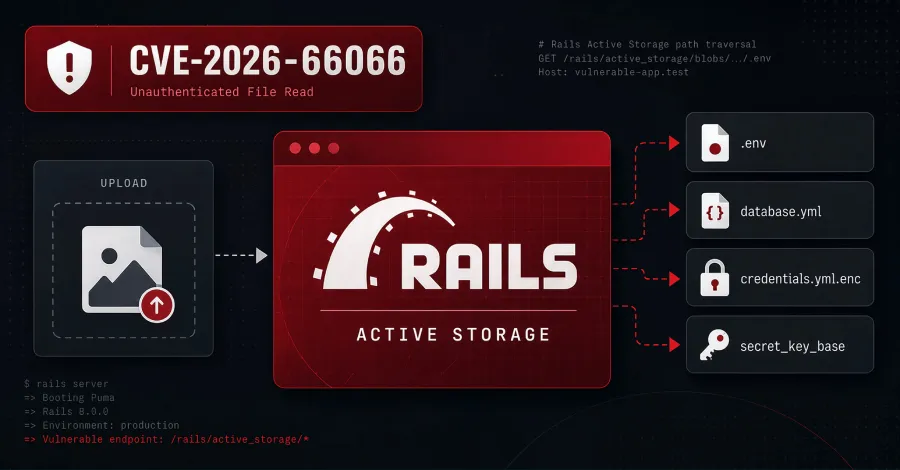
The digital landscape is continuously evolving, yet the vulnerabilities within its frameworks seem to persist, posing significant risks to organizations of all sizes. A recent critical flaw identified within the Ruby on Rails framework has raised alarms across the cybersecurity community. This vulnerability allows unauthenticated attackers to exploit image uploads to gain unauthorized access to server files, leading to potentially devastating consequences. As businesses increasingly rely on web applications to engage with customers and streamline operations, understanding these vulnerabilities and implementing robust security measures has never been more crucial.
Furthermore, the rise of artificial intelligence (AI) in cybersecurity presents both opportunities and challenges. AI models have become powerful tools for identifying and mitigating software vulnerabilities, yet they also introduce new risks. With the potential for AI-driven attacks, organizations must equip themselves with the knowledge and tools to fend off such threats. This article delves into the implications of the Rails vulnerability, the role of AI in cybersecurity, and actionable steps organizations can take to bolster their defenses.
Understanding the Rails Vulnerability
The Ruby on Rails framework, widely used for building web applications, is known for its developer-friendly features and robust capabilities. However, recent vulnerabilities have highlighted the challenges that accompany such powerful tools. The flaw in question relates to improper handling of image uploads, allowing attackers to potentially read sensitive server files if they can upload malicious images.
The Mechanics of the Exploit
At its core, the vulnerability arises from insufficient validation of file types during the upload process. When a user uploads an image, the application should verify that the file conforms to expected formats (like JPG or PNG). If an attacker manages to bypass these checks, they can upload specially crafted files that may not be images at all, thereby exploiting the server’s file system.
- Unauthenticated Access: Attackers do not need to log in to exploit this vulnerability, making it particularly dangerous.
- File Type Validation Failure: Insufficient checks allow for file types other than images to be uploaded.
- Potential Data Exposure: Attackers may gain access to sensitive information stored on the server.

The Consequences of Exploitation
The ramifications of this vulnerability can be severe. Organizations that utilize the Rails framework for their web applications may face the following risks:
Data Breaches
Unauthorized access to server files can lead to data breaches, exposing sensitive customer information, proprietary data, or even financial records. For businesses, the fallout from such breaches can include regulatory fines, legal repercussions, and loss of customer trust.
Reputational Damage
Beyond immediate financial implications, a data breach can inflict long-term damage on an organization's reputation. Customers may choose to withdraw their business from companies perceived as insecure, resulting in reduced revenue and market share.
Operational Disruption
Organizations may also encounter operational disruptions as they scramble to address vulnerabilities and mitigate damage. This can lead to downtime, loss of productivity, and additional costs associated with incident response and recovery efforts.

The Role of AI in Cybersecurity
As organizations grapple with vulnerabilities like the one in Rails, they turn to AI as a powerful ally in their cybersecurity strategy. AI models can analyze vast amounts of data, identify patterns, and detect anomalies that may indicate potential threats. However, the integration of AI into cybersecurity also presents new challenges and risks.
AI as a Double-Edged Sword
While AI can significantly enhance threat detection and response capabilities, it can also be weaponized by cybercriminals. For instance, attackers may use AI to automate the identification of vulnerabilities or craft sophisticated phishing attacks that are harder to detect. This evolving landscape necessitates that organizations stay vigilant and proactive in their security efforts.
Organizations should consider the following approaches:- Implement AI-Driven Security Tools: Leverage AI for real-time threat detection and automated response systems.
- Invest in Employee Training: Ensure employees are aware of the latest threats, including those driven by AI.
- Regularly Update Security Protocols: Keep security measures up to date in response to new vulnerabilities and threats.

Five Steps to Secure Your Organization
To effectively safeguard against vulnerabilities such as the Rails flaw and AI-driven threats, organizations should adopt a comprehensive security strategy. Here are five critical steps:
1. Conduct Regular Security Audits
Performing regular audits helps organizations identify potential vulnerabilities before they can be exploited. This includes reviewing code, server configurations, and security policies to ensure they are up to date.
2. Implement Strong Access Controls
Access controls are fundamental in preventing unauthorized access. Ensure that users have the minimum necessary permissions and that authentication processes are robust.
3. Utilize Web Application Firewalls (WAF)
Web Application Firewalls provide an additional layer of security by filtering and monitoring HTTP traffic between a web application and the internet. They can help detect and block potential attacks before they reach the application.
4. Regularly Update Software
Keeping software updated is crucial in mitigating vulnerabilities. This includes applying patches and updates to frameworks like Ruby on Rails as soon as they are released.
5. Foster a Security-First Culture
Encouraging a security-first mindset within the organization helps ensure that all employees are aware of their role in maintaining security. Regular training and communication about potential threats can make a significant difference.

Key Takeaways
- Understanding the critical vulnerability in Ruby on Rails is essential for all organizations using this framework.
- AI presents both opportunities and challenges in cybersecurity, necessitating vigilance and proactive strategies.
- Implementing a comprehensive security strategy is vital to protect against evolving threats.
- Regular audits, strong access controls, and software updates are fundamental to safeguarding web applications.
- Fostering a security-first culture can enhance overall organizational security.
Frequently Asked Questions
What should I do if my organization uses Ruby on Rails?
If your organization relies on Ruby on Rails, it is crucial to stay informed about vulnerabilities and apply necessary updates as they become available. Regularly audit your applications for potential weaknesses and ensure that proper security measures, such as file type validation and strong access controls, are in place.
How can AI enhance my organization’s cybersecurity posture?
AI can enhance cybersecurity by automating threat detection, analyzing large datasets for anomalies, and providing real-time insights into potential vulnerabilities. By implementing AI-driven security tools, organizations can improve their ability to respond to threats swiftly and effectively.
What are the financial implications of a data breach?
The financial implications of a data breach can be significant, including costs associated with regulatory fines, legal fees, remediation efforts, and lost business. Additionally, the long-term impact on an organization’s reputation may lead to decreased customer trust and revenue loss.
How can organizations prepare for AI-driven threats?
Organizations can prepare for AI-driven threats by investing in employee training, staying informed about the latest cybersecurity trends, and implementing robust security measures. Regularly updating software and conducting security audits are also essential in maintaining a proactive security posture.
Comments
How Cybercriminals Exploit Cloned Sites: Understanding the Threat Landscape
A recent nine-year fraud campaign highlights the alarming trend of cybercriminals cloning websites to steal advance payments. This article explores the implications of such tactics, how AI models are shaping cybersecurity, and critical steps businesses can take to protect themselves.

Related articles






Popular in Cybersecurity
- Federal Mandate for Autonomous Vehicles: A Call for Safety Compliance
- EU Mandates Google to Share Data and Open AI on Android: What It Means
- GitHub Revamps Bug Bounty Program: Implications for Developers and Security
- Australian Government Disables Thousands of Functional Broadband Routers: A Wasteful Decision
- Exploiting Redis: Understanding Zero-Day Vulnerabilities and Their Mitigation