Mitigating AI-Driven Security Threats: Protecting Against Software Vulnerabilities
As AI models evolve, so do their capabilities in identifying software vulnerabilities. This article discusses the risks posed by AI and outlines strategies for organizations to enhance their cybersecurity posture.
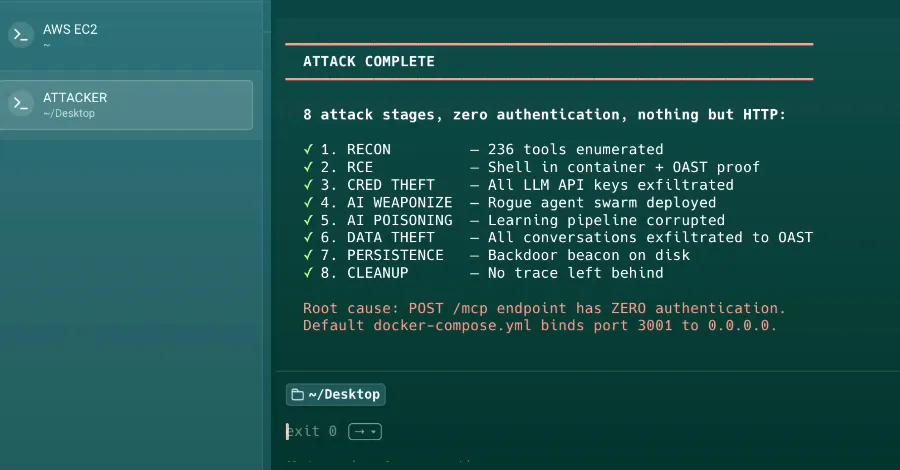
In an era where artificial intelligence (AI) is reshaping industries, it has also become a double-edged sword in the realm of cybersecurity. The recent discovery of critical vulnerabilities, such as the Ruflo MCP flaw, exemplifies how AI can both aid in defense and create new avenues for attacks. This particular vulnerability allows unauthenticated attackers to execute commands and compromise AI memory, thereby raising significant concerns for organizations reliant on AI systems. As AI continues to integrate deeper into our technological fabric, it is imperative for companies to understand these threats and implement robust security measures.
The intersection of AI and cybersecurity presents a complex landscape where traditional defense mechanisms are often inadequate. Organizations must not only focus on the evolving threats posed by cybercriminals using AI but also on the potential vulnerabilities that AI systems themselves may introduce. In this article, we will delve into the implications of AI-driven vulnerabilities and provide actionable steps for organizations to fortify their defenses.

Understanding AI-Driven Vulnerabilities
The Ruflo MCP flaw is a prime example of how AI systems can be exploited. This vulnerability allows an attacker to run arbitrary commands on systems without authentication, potentially leading to data breaches and unauthorized access to sensitive information. The ramifications of such vulnerabilities can be severe, affecting not only the integrity and confidentiality of data but also the overall trustworthiness of AI applications.
As AI models are increasingly integrated into critical infrastructures, understanding the types of vulnerabilities they can expose is crucial. These vulnerabilities can stem from various sources, including:
- Data Poisoning: Attackers can manipulate the training data used by AI models, leading to skewed outputs and unreliable decision-making.
- Model Inversion: This technique allows attackers to extract sensitive training data from the model, compromising privacy.
- Adversarial Attacks: By introducing subtle changes to input data, attackers can mislead AI models into making incorrect predictions.

Why It Matters: The Broader Impact on Organizations
The stakes are high when it comes to AI vulnerabilities. Organizations across all sectors—from finance to healthcare—are integrating AI to enhance operations, automate processes, and improve customer experiences. However, with these advancements come significant risks. A successful exploitation of vulnerabilities can result in:
- Financial Loss: The immediate costs of addressing a breach can be substantial, often running into millions of dollars when considering remediation, legal fees, and potential fines.
- Reputational Damage: Trust is paramount; a breach can severely undermine customer confidence and tarnish a brand’s reputation.
- Regulatory Consequences: As governments tighten regulations surrounding data protection, organizations may face legal repercussions if they fail to protect sensitive information adequately.

Steps to Secure Against AI Vulnerabilities
Given the potential for significant harm, organizations must adopt a proactive approach to security that encompasses both traditional cybersecurity measures and strategies specifically tailored for AI systems. Here are five essential steps to enhance security:
1. Conduct Regular Vulnerability Assessments
Routine assessments should be integrated into the development and deployment phases of AI systems. This includes penetration testing that simulates real-world attacks to uncover potential weaknesses.
2. Implement Robust Data Governance
Ensuring the integrity of training data is critical. Organizations should establish strict data validation processes to prevent data poisoning and ensure that the data used for training AI models is clean and reliable.
3. Utilize Secure AI Frameworks
Leveraging secure AI development frameworks can help mitigate risks. These frameworks often include built-in security features that protect against common vulnerabilities.
4. Train Employees on AI Security Best Practices
Human error remains a leading cause of security breaches. Conducting regular training sessions on AI security can equip employees with the knowledge necessary to recognize and respond to potential threats.
5. Collaborate with AI Security Experts
Partnering with cybersecurity firms that specialize in AI can provide organizations with insights into the latest threats and best practices for safeguarding their systems.
Key Takeaways
- AI vulnerabilities, like the Ruflo MCP flaw, pose significant risks to organizations.
- Data poisoning, model inversion, and adversarial attacks are key threats to AI systems.
- Proactive security measures, including regular assessments and employee training, are essential to safeguard against these vulnerabilities.
- Collaboration with AI security experts can enhance an organization's defensive posture.
Frequently Asked Questions
What is the Ruflo MCP flaw?
The Ruflo MCP flaw is a security vulnerability that allows unauthenticated attackers to execute commands on affected systems. This can lead to unauthorized access and potential data breaches, making it a significant concern for organizations utilizing AI technologies.
How can organizations identify AI vulnerabilities?
Organizations can identify AI vulnerabilities through regular vulnerability assessments, which simulate attacks and uncover potential weaknesses. Additionally, employing best practices in data governance and utilizing secure AI frameworks can help mitigate risks.
What role does employee training play in cybersecurity?
Employee training is crucial in cybersecurity as human error is often a leading cause of security breaches. Regular training sessions can educate employees on recognizing threats and implementing best practices, ultimately strengthening an organization's overall security posture.
Comments
How Cybercriminals Exploit Cloned Sites: Understanding the Threat Landscape
A recent nine-year fraud campaign highlights the alarming trend of cybercriminals cloning websites to steal advance payments. This article explores the implications of such tactics, how AI models are shaping cybersecurity, and critical steps businesses can take to protect themselves.

Related articles






Popular in Cybersecurity
- Federal Mandate for Autonomous Vehicles: A Call for Safety Compliance
- EU Mandates Google to Share Data and Open AI on Android: What It Means
- GitHub Revamps Bug Bounty Program: Implications for Developers and Security
- Australian Government Disables Thousands of Functional Broadband Routers: A Wasteful Decision
- Exploiting Redis: Understanding Zero-Day Vulnerabilities and Their Mitigation