US Government Bans Foreign-Made Humanoids, Robot Dogs, and Solar Inverters
In a bold move to secure national interests, the U.S. government has banned the import of foreign-made humanoid robots, robot dogs, and solar inverters, primarily targeting Chinese manufacturers. This decision reflects growing concerns over cybersecurity and surveillance risks.
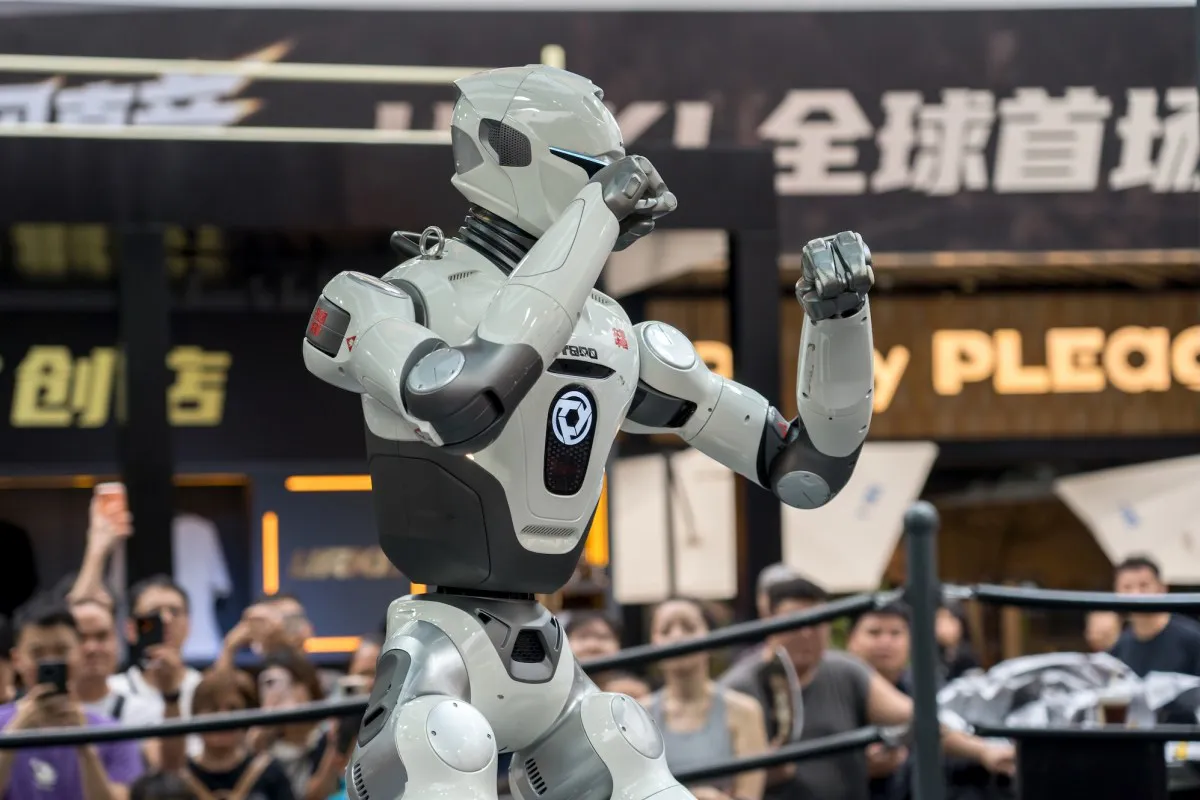
In a decisive action that underscores the increasing tensions between the United States and China, the U.S. government has announced a ban on the import of new foreign-made humanoid robots, robot dogs, and solar inverters. This move, declared by the Federal Communications Commission (FCC), is framed as a necessary step to safeguard national security against the potential risks posed by foreign surveillance and cyberattacks.
The decision is particularly significant given that China currently dominates the global market for these technologies, raising questions about the broader implications for international trade and domestic innovation in the tech industry.

The Scope of the Ban
The FCC's ban specifically targets devices imported from overseas, with a notable emphasis on products manufactured in China. This restriction on humanoid robots—machines designed to mimic human movements and behaviors—comes at a time when the technology is still in its nascent stages, with approximately 15,000 units shipped worldwide in 2025. Major Chinese manufacturers are responsible for the bulk of these shipments, which raises alarms about the potential for these devices to be used in espionage or cyber warfare.
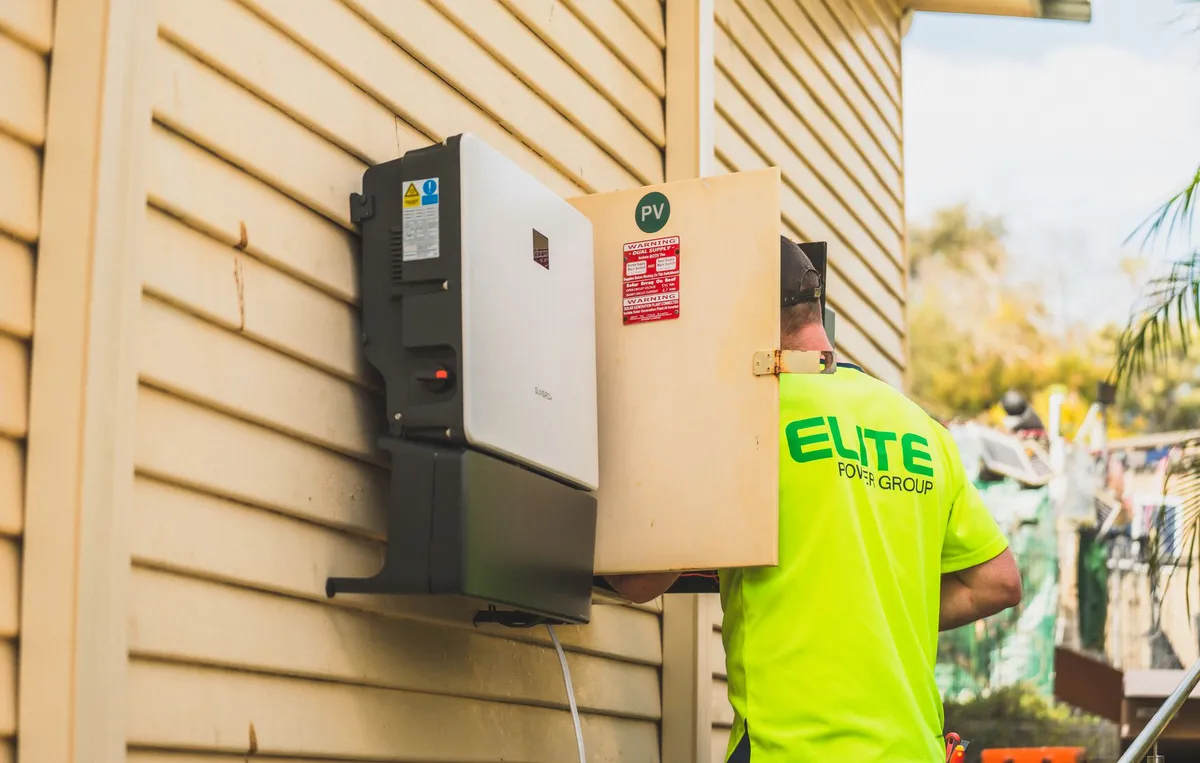
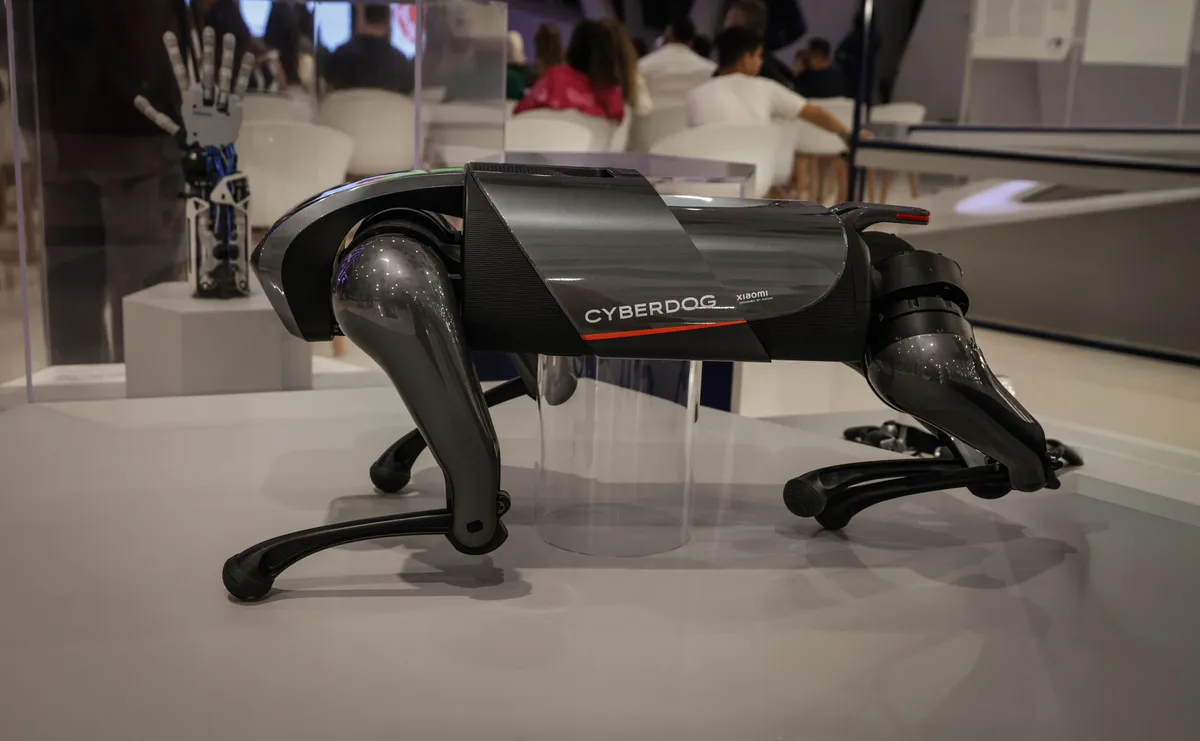
The ban also extends to robot dogs, which have increasingly found applications in security, surveillance, and even military roles. With their advanced mobility and artificial intelligence capabilities, these robots could easily be manipulated for malicious purposes if they fell into the wrong hands. Furthermore, solar inverters, which play a critical role in connecting renewable energy systems to the power grid, are now under scrutiny due to the perceived risks of foreign control over energy infrastructure.
National Security Concerns
The U.S. government's concerns are not unfounded. Over the years, there have been numerous allegations against China regarding cyber espionage, data theft, and the potential for using technology as a means to gain strategic advantages. The FCC's ruling reflects a broader strategy to mitigate vulnerabilities and protect American citizens from foreign surveillance. This precautionary approach echoes previous actions taken against Chinese tech companies, including the notorious bans on TikTok and various consumer routers.
Understanding the Risks
The risks associated with importing foreign-made technologies can be categorized into several key areas:
- Cybersecurity Threats: Devices capable of connecting to networks may be exploited for unauthorized surveillance or data breaches.
- Remote Control Vulnerabilities: The ability for foreign entities to control devices remotely raises alarms about potential manipulations or attacks.
- Supply Chain Risks: Reliance on foreign manufacturers can complicate supply chains and lead to vulnerabilities in critical infrastructure.
- Espionage Potential: Devices could be used to gather sensitive information about individuals, organizations, or national security operations.
Implications for Businesses and Consumers
The ban is likely to have widespread ramifications across various sectors, particularly in technology and renewable energy. For businesses, the restriction means a significant reevaluation of supply chains and technology partnerships. Companies that have relied on foreign-made humanoids and solar inverters will need to pivot to domestic alternatives or potentially face increased operational costs and delays in innovation.
For consumers, the immediate impact may not be felt directly, as existing devices already in homes and installations remain unaffected. However, the long-term implications could include a slowdown in the advancement of robotics and renewable energy technologies, as domestic manufacturers may struggle to keep pace with their foreign counterparts without robust support and innovation incentives.
The International Response
China's reaction to the U.S. ban has been swift and resolute. A spokesperson for the Chinese Foreign Ministry indicated that Beijing would take “all measures necessary” to protect its businesses, signaling potential retaliatory actions. As the two nations prepare for high-level diplomatic meetings, including a planned state visit by Chinese President Xi Jinping to Washington, D.C., the geopolitical landscape is likely to remain fraught with tension.
The ongoing trade war and technological rivalry between the U.S. and China have profound implications not only for bilateral relations but also for global markets and supply chains. As countries grapple with the balance between security and economic collaboration, the landscape of international trade will continue to evolve.

Key Takeaways
- The U.S. has banned foreign-made humanoid robots, robot dogs, and solar inverters over national security concerns.
- China currently leads the market in these technologies, raising significant cybersecurity risks.
- Businesses will face challenges in adapting to the ban, potentially leading to increased costs and delays.
- The diplomatic relationship between the U.S. and China is likely to face further strain as a result of this decision.
- Consumers may see limited immediate effects, but long-term technological advancements could be hindered.
Frequently Asked Questions
What prompted the U.S. government to implement this ban?
The U.S. government cited national security risks as the primary reason for the ban on foreign-made humanoid robots, robot dogs, and solar inverters. Concerns over potential surveillance capabilities and cybersecurity threats from foreign entities, particularly from China, have driven this decision, echoing broader strategies to protect American interests in technology.
How will this ban affect the technology market in the U.S.?
The ban will likely cause significant disruptions in the technology market, particularly for businesses that rely on foreign-made devices. Companies may need to seek domestic alternatives, which could result in increased costs and delays in product development. Additionally, the ban may slow the pace of innovation in fields like robotics and renewable energy.
Are existing devices affected by the ban?
No, the ban specifically targets new imports of foreign-made devices. Existing humanoid robots, robot dogs, and solar inverters already in use within the U.S. are not affected by this ruling. Consumers and businesses can continue using their current systems without interruption.
What are the broader implications of this decision on U.S.-China relations?
This ban is part of a larger trend of increasing tension between the U.S. and China, particularly in the realm of technology and trade. As both countries navigate their geopolitical rivalry, further actions—such as tariffs, sanctions, or retaliatory measures—could be anticipated, potentially reshaping global trade dynamics and economic relationships.
Comments
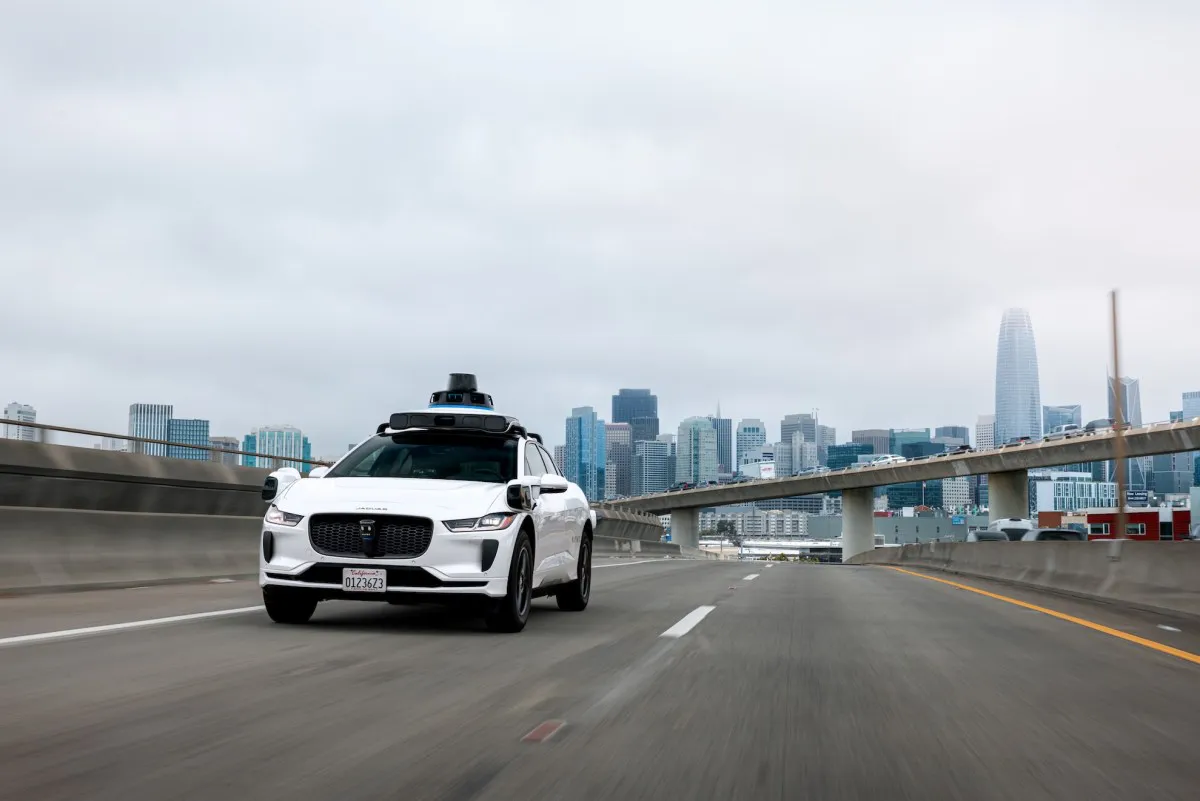
Waymo Robotaxis Resume Freeway Operations: A Technological Leap or Safety Risk?
Waymo is reintroducing robotaxi services on freeways after addressing safety concerns related to construction zones. This move signals a critical moment for autonomous vehicle technology amid increasing regulatory scrutiny.
Related articles





Popular in Cybersecurity
- Federal Mandate for Autonomous Vehicles: A Call for Safety Compliance
- EU Mandates Google to Share Data and Open AI on Android: What It Means
- GitHub Revamps Bug Bounty Program: Implications for Developers and Security
- Australian Government Disables Thousands of Functional Broadband Routers: A Wasteful Decision
- Exploiting Redis: Understanding Zero-Day Vulnerabilities and Their Mitigation