Addressing Check Point SmartConsole Vulnerabilities: A Deep Dive
The recent public proof of concept for Check Point SmartConsole's authentication bypass highlights significant cybersecurity vulnerabilities. Organizations must prioritize security measures against such threats, especially in an age where AI is both a tool and a target.
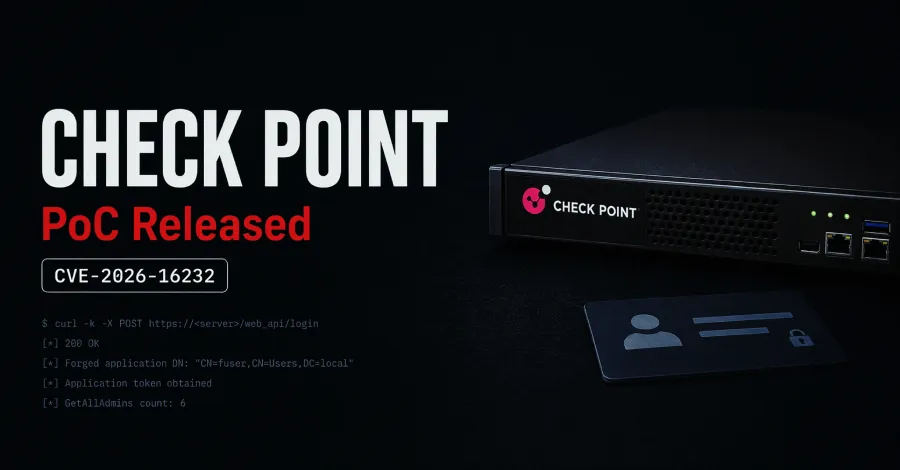
The cybersecurity landscape is continually evolving, and with it comes a host of new vulnerabilities that businesses must address. Recently, a public proof of concept (PoC) was released for an authentication bypass flaw found in Check Point's SmartConsole. This development not only underscores the potential risks associated with widely used enterprise software but also highlights the critical need for robust cybersecurity measures. As organizations increasingly rely on AI-driven tools to enhance their security posture, understanding how to protect against such vulnerabilities becomes paramount.
Understanding the Check Point SmartConsole Vulnerability
Check Point Software Technologies is a well-regarded player in the cybersecurity space, known for its comprehensive security solutions that protect networks, cloud environments, and mobile devices. SmartConsole, a management tool for Check Point’s security products, is widely employed by organizations to configure firewalls and manage security policies. However, the recently disclosed vulnerability presents a significant risk.
The authentication bypass flaw allows attackers to gain unauthorized access to the SmartConsole without proper credentials. This means that malicious actors could potentially manipulate security settings or even disable critical defenses, putting sensitive data at risk. The public PoC demonstrates how easily this vulnerability can be exploited, raising urgent alarms for IT departments worldwide.
The Role of AI in Identifying Vulnerabilities
The emergence of artificial intelligence (AI) has transformed various industries, and cybersecurity is no exception. AI models have become pivotal in identifying and mitigating software vulnerabilities, including those found in popular platforms like Check Point's SmartConsole. Here are the ways AI can aid in cybersecurity:
- Automated Threat Detection: AI algorithms can analyze vast amounts of data to identify unusual patterns that may indicate a security breach.
- Predictive Analytics: By leveraging historical data, AI can forecast potential vulnerabilities before they are exploited, allowing organizations to take preemptive action.
- Enhanced Incident Response: AI tools can streamline incident response processes by quickly triaging alerts and identifying the most critical threats.
- Continuous Learning: AI systems improve over time, adapting to new threats and sophisticated attack vectors.
Implementing Security Measures Against Vulnerabilities
Organizations must take proactive steps to safeguard their systems against exploitation of vulnerabilities like the one in Check Point SmartConsole. Here are five crucial strategies to enhance cybersecurity:
1. Conduct Regular Security Audits
Regular audits help identify weaknesses in your security posture. This includes reviewing configurations, access controls, and patch management practices to ensure they align with industry best practices.
2. Update and Patch Systems Promptly
Keeping software up-to-date is one of the simplest yet most effective ways to mitigate vulnerabilities. Organizations should prioritize timely application of patches provided by software vendors.
3. Implement Multi-Factor Authentication (MFA)
MFA adds an additional layer of security, making it considerably more challenging for unauthorized users to gain access, even if they have compromised credentials.
4. Train Employees on Security Best Practices
Human error remains a leading cause of security breaches. Training employees in recognizing phishing attempts and following safe computing practices can significantly reduce risk.
5. Invest in Advanced Threat Detection Tools
Employing AI-driven threat detection tools can help organizations identify and respond to potential vulnerabilities in real-time, allowing for quicker remediation.

Why This Matters for Businesses
The implications of the Check Point SmartConsole vulnerability extend beyond individual organizations. The interconnected nature of today’s digital ecosystem means that a breach in one sector can have a cascading effect on others. For businesses leveraging Check Point’s solutions, the stakes are particularly high. An exploited vulnerability could lead to significant financial losses, damage to reputation, and even regulatory fines if sensitive customer data is compromised.
Furthermore, as more companies adopt AI technologies, the potential for both innovation and risk increases. Organizations must recognize that while AI can enhance security measures, it can also be weaponized by cybercriminals to discover and exploit vulnerabilities. Therefore, staying ahead of these threats requires continuous monitoring and adaptation.

Key Takeaways
- The Check Point SmartConsole vulnerability presents a serious risk for organizations using the software.
- AI plays a crucial role in identifying and mitigating cybersecurity threats.
- Implementing robust security measures is essential to safeguard against software vulnerabilities.
- Education and training for employees are vital in reducing the risk of human error in security breaches.
- Proactive threat detection and response can significantly minimize the impact of potential vulnerabilities.
Frequently Asked Questions
What is the Check Point SmartConsole vulnerability?
The Check Point SmartConsole vulnerability refers to a recently discovered flaw that allows unauthorized users to bypass authentication protocols and gain access to the SmartConsole management tool. This vulnerability can lead to severe security risks, including unauthorized manipulation of security settings.
How can organizations protect themselves from such vulnerabilities?
Organizations can protect themselves by conducting regular security audits, promptly applying updates and patches, implementing multi-factor authentication, training employees on security best practices, and investing in advanced AI-driven threat detection tools. These strategies can help mitigate the risk of exploitation.
Why is AI important in cybersecurity?
AI is important in cybersecurity because it enables organizations to analyze vast amounts of data quickly, identify potential threats, and respond to incidents in real-time. Additionally, AI can learn from new threats, providing organizations with a dynamic response to evolving cyber risks.
What should businesses do if they suspect a security breach?
If businesses suspect a security breach, they should immediately initiate their incident response plan, which includes isolating affected systems, conducting a thorough investigation, and notifying relevant stakeholders. It's crucial to act quickly to minimize potential damage and recover compromised data.
Comments
US Government Bans Foreign-Made Humanoids, Robot Dogs, and Solar Inverters
In a bold move to secure national interests, the U.S. government has banned the import of foreign-made humanoid robots, robot dogs, and solar inverters, primarily targeting Chinese manufacturers. This decision reflects growing concerns over cybersecurity and surveillance risks.

Related articles




Popular in Cybersecurity
- Federal Mandate for Autonomous Vehicles: A Call for Safety Compliance
- EU Mandates Google to Share Data and Open AI on Android: What It Means
- GitHub Revamps Bug Bounty Program: Implications for Developers and Security
- Australian Government Disables Thousands of Functional Broadband Routers: A Wasteful Decision
- Exploiting Redis: Understanding Zero-Day Vulnerabilities and Their Mitigation