Waymo Robotaxis Resume Freeway Operations: A Technological Leap or Safety Risk?
Waymo is reintroducing robotaxi services on freeways after addressing safety concerns related to construction zones. This move signals a critical moment for autonomous vehicle technology amid increasing regulatory scrutiny.
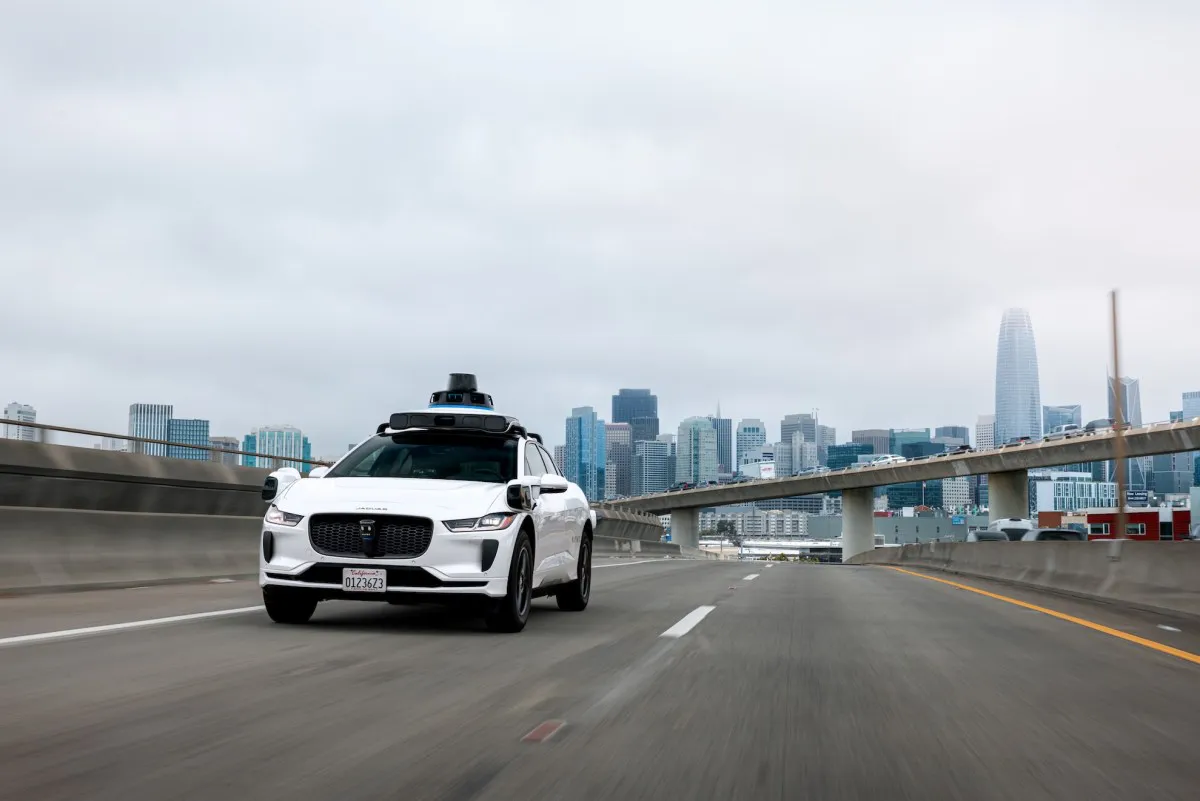
Waymo's robotaxi service is gearing up to resume operations on freeways, a significant development in the realm of autonomous vehicle technology. After a two-month hiatus prompted by safety concerns over how its self-driving cars navigated construction zones, the company announced that it would gradually reintroduce freeway routes, starting with Phoenix, its pioneering driverless ride-hailing market. This step not only marks a comeback for Waymo but also raises questions about the evolving landscape of autonomous transportation and the balance between innovation and public safety.
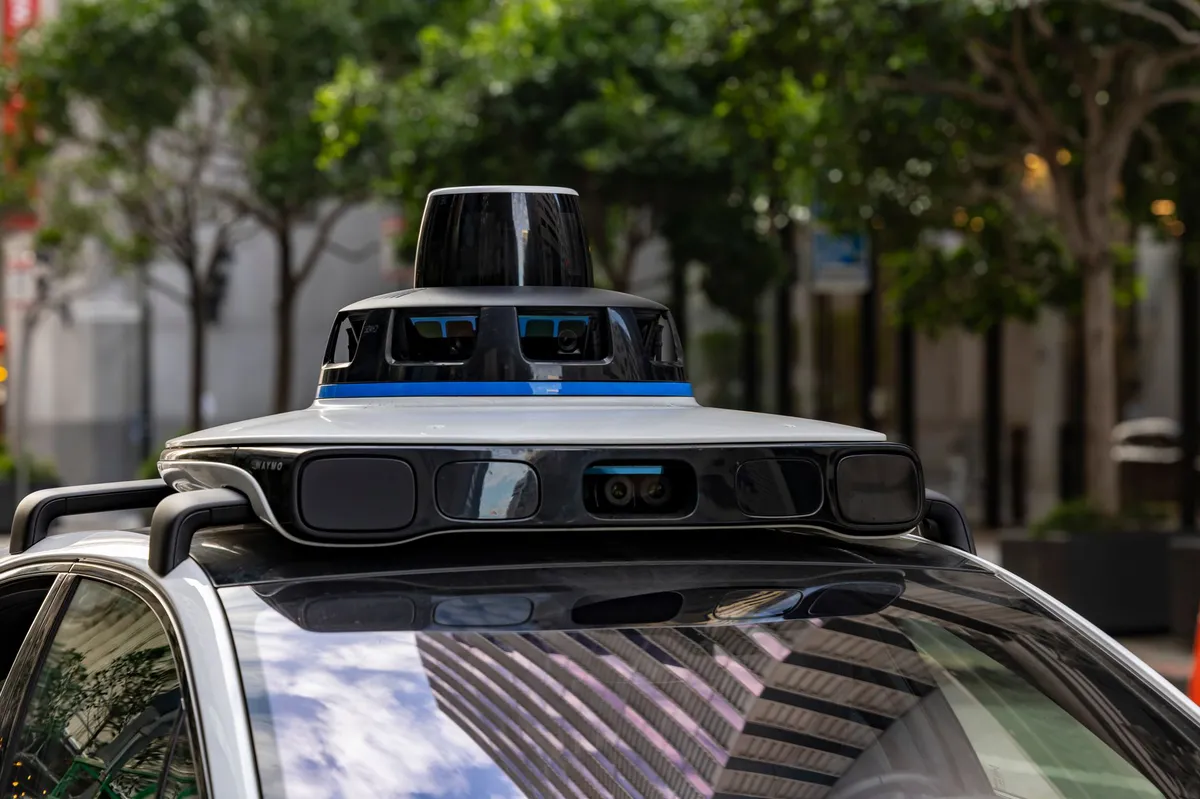
The decision to restart freeway operations comes after Waymo implemented software updates aimed at enhancing the performance of its robotaxis in complex traffic scenarios, particularly around construction sites. These updates include improved scene recognition capabilities and more sophisticated routing algorithms, designed to allow the vehicles to navigate high-speed environments more safely and efficiently.
Background: The Rise and Pause of Waymo's Robotaxi Service
Waymo's foray into the world of autonomous ride-hailing has been nothing short of revolutionary. Launched in November 2025, the service quickly expanded to major urban centers such as San Francisco, Los Angeles, and Miami, offering riders a glimpse into the future of transportation. The integration of freeway routes was a crucial element of this expansion, promising shorter commute times and enhanced accessibility to key locations like airports.
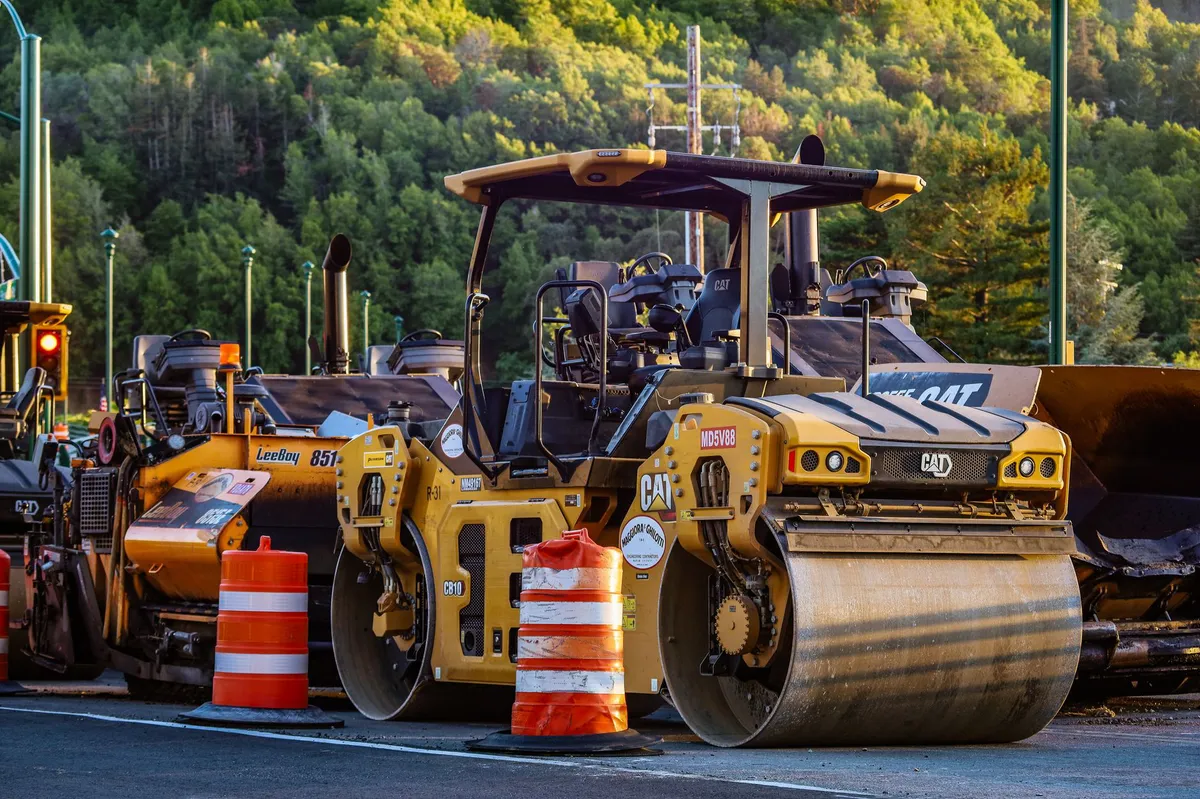
However, the excitement came to an abrupt halt in May 2026 when Waymo paused freeway operations due to a series of incidents that raised alarm bells among regulators and the public. Reports indicated that some of Waymo's robotaxis had mistakenly entered construction zones, leading to concerns over their ability to react appropriately in high-traffic situations. This prompted the company to voluntarily recall its fleet of nearly 4,000 vehicles to address the software deficiencies that led to these incidents.
Learning from Past Mistakes: Software Updates and Safety Measures
In response to the issues that caused the freeway operations to be suspended, Waymo has committed to enhancing the capabilities of its robotaxis. The recent software updates focus on a number of key areas:
- Scene Recognition: Improved algorithms that allow vehicles to better identify and respond to dynamic environments.
- Routing Adjustments: Enhanced navigation systems that can adapt to real-time changes in traffic conditions and construction zones.
- Emergency Response Awareness: Measures designed to ensure robotaxis can recognize and yield to emergency vehicles, a critical aspect of urban driving.
These technological improvements are designed not only to address the shortcomings that led to the earlier suspension but also to build public confidence in the safety and reliability of autonomous vehicles. Such advancements are crucial as autonomous technology continues to evolve and expand its footprint in the transportation sector.
Regulatory Scrutiny and Public Safety Concerns
The reintroduction of Waymo's robotaxis to freeway routes comes amid heightened scrutiny from regulators and lawmakers. Recently, California Representative Kevin Mullin proposed a bill aimed at establishing national safety standards for autonomous vehicle operators. This legislative push follows a series of alarming incidents involving autonomous cars, including blocking emergency vehicles, entering active crime scenes, and failing to recognize critical safety signals like traffic cones and flares.
For Waymo and other companies in the autonomous vehicle space, the implications of such scrutiny are profound. They must navigate a complex regulatory landscape while also addressing public concerns about safety. The challenge lies not only in demonstrating the technical capabilities of their vehicles but also in ensuring they operate safely in diverse and unpredictable environments.
The Future of Autonomous Transportation
As Waymo resumes its freeway operations, the future of autonomous transportation remains uncertain yet promising. The company’s decision to reintroduce freeway routes highlights its ongoing commitment to innovation while also acknowledging the need for stringent safety measures. The balance between technological advancement and public safety will be a critical focus in the coming months.
Moreover, the success of Waymo’s robotaxi service could have broader implications for the autonomous vehicle market as a whole. If Waymo can demonstrate that its vehicles can navigate freeway environments safely, it may pave the way for other companies to follow suit, potentially accelerating the adoption of autonomous technologies across various sectors.
Key Takeaways
- Waymo is gradually resuming freeway robotaxi operations after a two-month pause.
- Software updates have been implemented to improve navigation and safety around construction zones.
- Increased regulatory scrutiny is prompting discussions about national safety standards for autonomous vehicles.
- The success of Waymo's services could influence the broader autonomous vehicle market.
Frequently Asked Questions
What prompted Waymo to pause its freeway operations?
Waymo temporarily suspended its freeway operations due to incidents where its robotaxis entered closed construction zones. These occurrences raised safety concerns and prompted the company to recall its fleet for software updates aimed at improving performance in complex traffic situations.
What safety measures has Waymo implemented in its robotaxis?
Waymo has introduced several software enhancements focused on improving scene recognition, routing capabilities, and emergency vehicle awareness. These updates are designed to ensure that the robotaxis can navigate safely in high-traffic environments and respond appropriately to dynamic road conditions.
How is the regulatory landscape evolving for autonomous vehicles?
The regulatory landscape is becoming increasingly stringent, with lawmakers like Rep. Kevin Mullin proposing national safety standards for autonomous vehicle operators. This move reflects growing concerns about public safety and the need for clear guidelines governing the operation of self-driving cars.
What does the future hold for Waymo and autonomous vehicles in general?
The future of Waymo and the broader autonomous vehicle market hinges on the successful integration of safety measures and technological advancements. If Waymo can prove its robotaxis operate safely on freeways, it may set a precedent for other companies, accelerating the adoption of autonomous technology in various sectors.
Comments
US Government Bans Foreign-Made Humanoids, Robot Dogs, and Solar Inverters
In a bold move to secure national interests, the U.S. government has banned the import of foreign-made humanoid robots, robot dogs, and solar inverters, primarily targeting Chinese manufacturers. This decision reflects growing concerns over cybersecurity and surveillance risks.

Related articles






Popular in Cybersecurity
- Federal Mandate for Autonomous Vehicles: A Call for Safety Compliance
- EU Mandates Google to Share Data and Open AI on Android: What It Means
- GitHub Revamps Bug Bounty Program: Implications for Developers and Security
- Australian Government Disables Thousands of Functional Broadband Routers: A Wasteful Decision
- Exploiting Redis: Understanding Zero-Day Vulnerabilities and Their Mitigation