Microbiology Lab Scare: 33 Exposed to Deadly Germ, But All Safe
A college microbiology lab mishap led to 33 individuals fearing exposure to a deadly germ. While safety protocols were not followed, a thorough investigation revealed no actual danger.
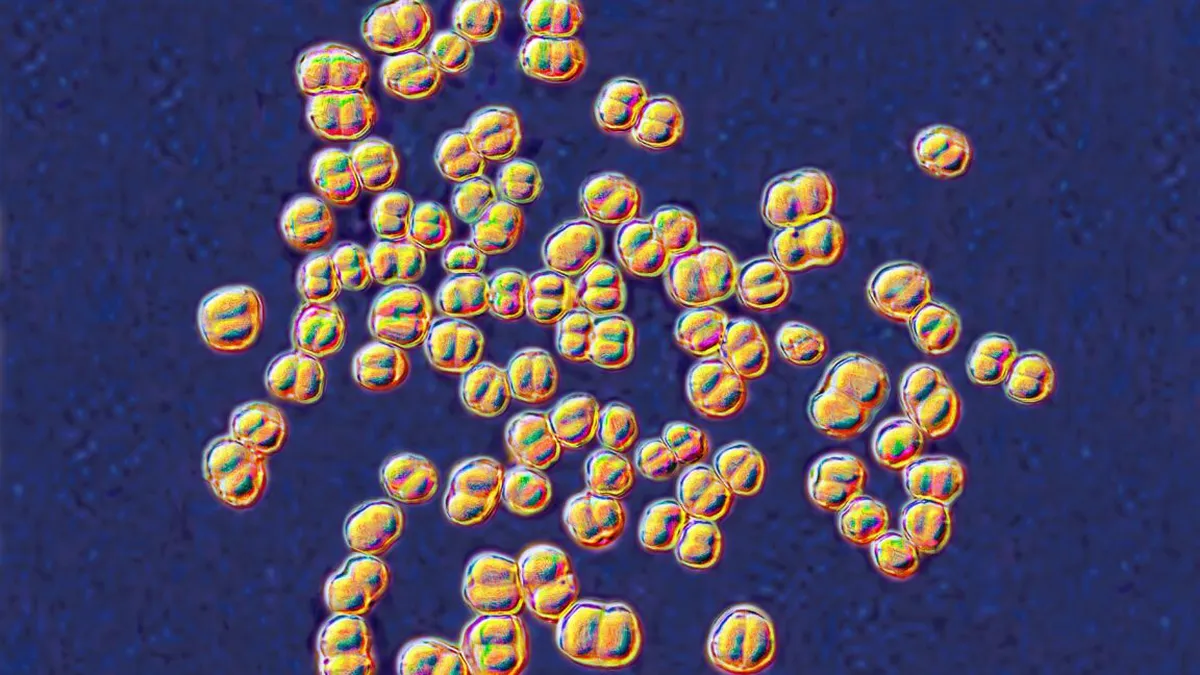
In a shocking turn of events, a routine microbiology lab class at a university turned into a potential public health crisis when students and staff mistakenly identified a harmless bacterium as a deadly pathogen. This incident, reported in the Morbidity and Mortality Weekly Report, illustrates not just the challenges of laboratory work but also the vital importance of stringent safety protocols in educational settings.
Initially, 33 individuals—including students, professors, and lab technicians—believed they had been exposed to Neisseria meningitidis, a bacterium responsible for severe infections like meningitis. Out of an abundance of caution, 32 of these individuals began taking a course of antibiotics, while two others underwent lumbar punctures to check for infection. Fortunately, it turned out they had not been exposed to N. meningitidis at all, but rather a related, non-pathogenic bacterium. This fortunate outcome, however, raises significant questions about lab safety practices and the potential ramifications of such mistakes.
The Incident: A Routine Lab Exercise Gone Awry
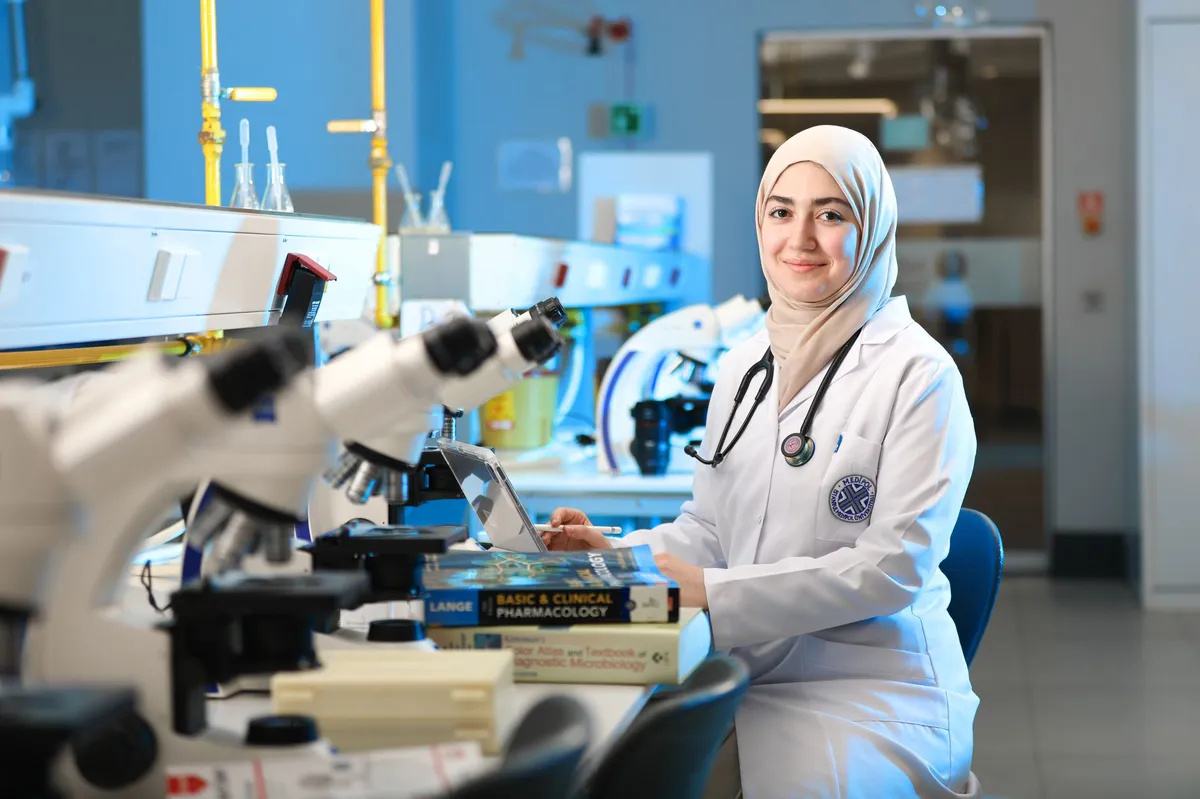
The microbiology lab class was designed to teach students how to identify bacterial pathogens through biochemical tests and morphological characteristics. The mystery bacterium provided for analysis was intended to be Plesiomonas shigelloides, a common non-threatening bacterium that can cause mild gastrointestinal issues. Instead, every student in the class misidentified it as Neisseria meningitidis, a serious pathogen that can lead to life-threatening infections.
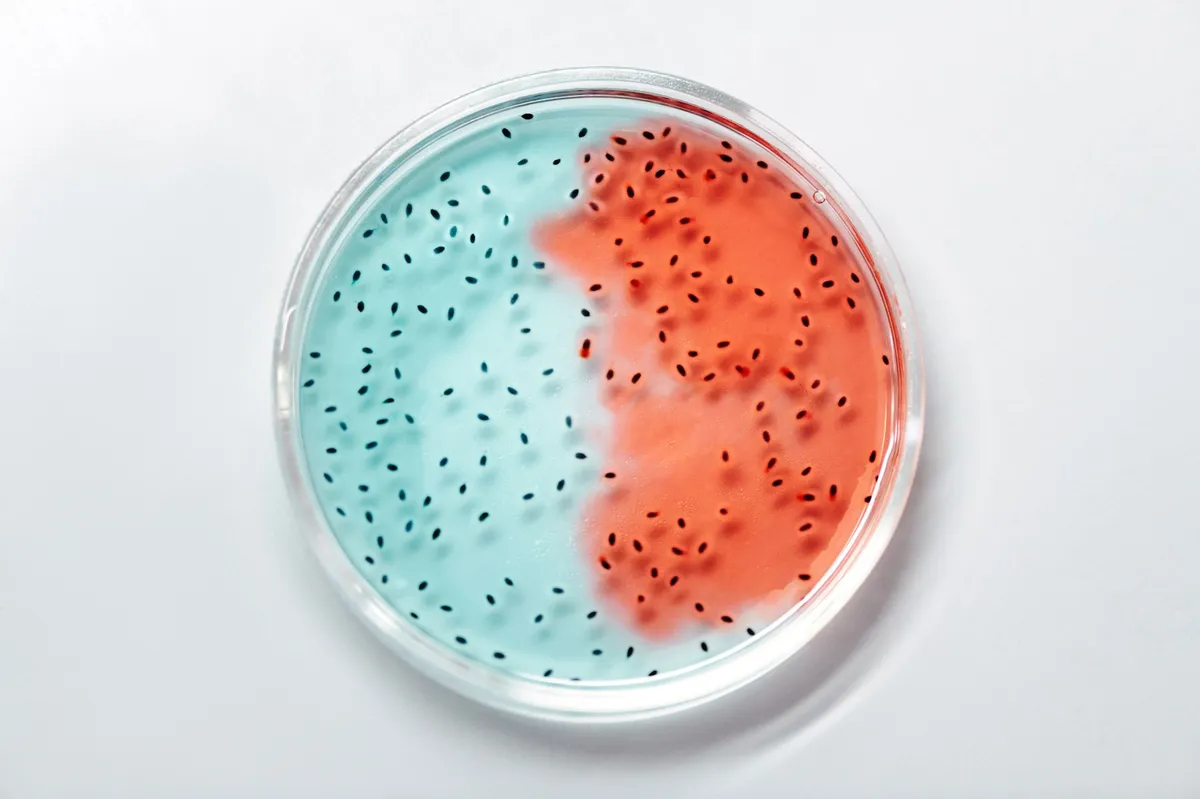
This misidentification was not a mere fluke. The students accurately described the bacterium based on its characteristics: gram-negative, oxidase-positive, and a diplococcus morphology. But unbeknownst to them, the lab had a contamination issue. A vial of N. meningitidis had been mistakenly stored alongside the harmless bacterium in the stockroom freezer, leading the students to arrive at a dangerously incorrect conclusion.
Understanding the Risks of Meningococcal Infection
Meningococcal disease, caused by N. meningitidis, can manifest in several forms, most notably meningitis, which involves inflammation of the membranes covering the brain and spinal cord. It can also lead to bloodstream infections, known as meningococcemia, both of which are potentially fatal without prompt treatment.
The bacterium spreads through respiratory droplets, making close contact a significant risk factor. In laboratory environments, specialized safety measures—including the use of biosafety cabinets and personal protective equipment (PPE)—are essential to prevent exposure. Unfortunately, these protocols were not adequately followed in this case.
Response and Intervention: Health Officials Step In
After recognizing the potential exposure, university officials acted quickly by involving state public health agencies. An incident response team was convened to assess the situation, and the exposed individuals were advised to begin a 10-day course of prophylactic antibiotics. Although 45% of those exposed had received meningococcal vaccinations prior to the incident, the health officials deemed it prudent to take additional precautions.
Two individuals reported symptoms, prompting immediate medical attention. They were treated with lumbar punctures to ensure that no infection had occurred. The state's public health laboratory later confirmed that the mystery bacterium was actually Neisseria sicca, a harmless relative of N. meningitidis. This revelation underscored how critical it is to maintain rigorous laboratory practices and proper identification protocols.
The Aftermath: A Call for Improved Safety Protocols
The investigation into the mix-up revealed serious flaws in the university's inventory management. Officials reported inadequate supervision and poor documentation of biological materials, which contributed to the mishandling of dangerous pathogens. The findings led to a complete overhaul of the university’s procedures regarding the identification, labeling, storing, and segregation of biological materials used in lab classes.
Such systemic issues highlight the need for ongoing training and stringent oversight in educational laboratories. Students and faculty alike must be aware of the potential consequences of lapses in safety protocols, as well as the importance of clear communication throughout the laboratory process.
Key Takeaways
- 33 individuals were believed to be exposed to a deadly pathogen, but were ultimately safe.
- 32 people began a precautionary antibiotic regimen, while 2 underwent lumbar punctures.
- The misidentified bacterium was actually Neisseria sicca, a nonpathogenic relative of N. meningitidis.
- The incident revealed significant gaps in laboratory safety protocols and inventory management.
- Universities must improve training and oversight to prevent similar incidents in the future.
Frequently Asked Questions
What precautions should be taken in microbiology labs?
Microbiology labs must adhere to stringent safety protocols, including the use of biosafety cabinets, appropriate PPE, and rigorous inventory management practices. Each individual working in the lab should receive thorough training on identifying potential hazards and responding to emergencies. Regular audits and safety drills can help reinforce safe practices.
How can misidentifications in labs impact public health?
Misidentifications in laboratory settings can lead to unnecessary panic and medical interventions, as seen in this case. If pathogens are incorrectly identified, it can divert medical resources and create fear within communities. Maintaining accurate identification processes is crucial for effective public health management and ensuring that individuals receive the right treatments.
What should a university do following a safety incident?
Following a safety incident, universities should conduct a thorough investigation to identify the causes and contributing factors. Based on the findings, they should implement corrective actions to address any identified gaps in safety protocols, including additional training for staff, updates to lab procedures, and improved inventory management systems to prevent future issues.
Comments
Navigating the Complexities of AI Watermarking: Google's SynthID Explained
As AI-generated content proliferates online, Google's SynthID watermark aims to tackle misinformation. But does it provide a foolproof solution? This article delves into its capabilities and limitations.

Related articles







Popular in Cybersecurity
- Federal Mandate for Autonomous Vehicles: A Call for Safety Compliance
- EU Mandates Google to Share Data and Open AI on Android: What It Means
- GitHub Revamps Bug Bounty Program: Implications for Developers and Security
- Australian Government Disables Thousands of Functional Broadband Routers: A Wasteful Decision
- Exploiting Redis: Understanding Zero-Day Vulnerabilities and Their Mitigation