Minnesota's Prediction Market Ban Blocked: What It Means for Regulation
A federal court has blocked Minnesota's law banning prediction markets, highlighting the ongoing legal battle over their regulation. As the CFTC asserts jurisdiction, the implications extend far beyond state lines.
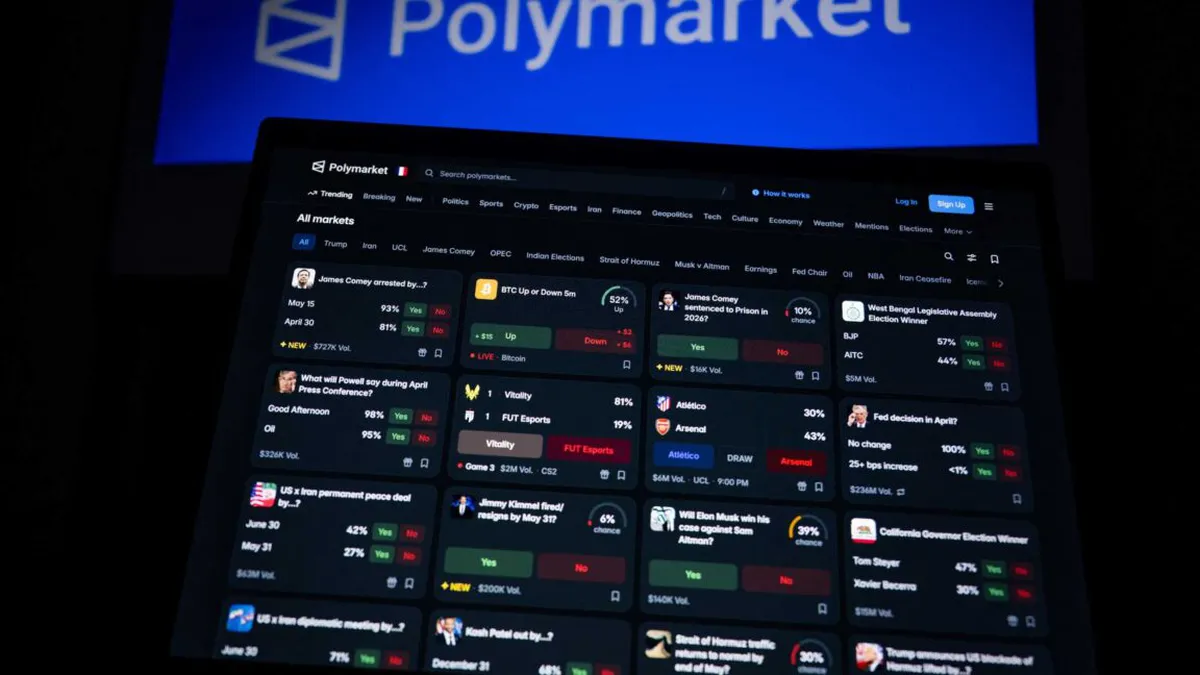
In a landmark ruling, a federal court has intervened to block Minnesota's recently enacted law that aimed to ban prediction markets, which are platforms allowing users to place bets on the outcomes of future events. The ruling comes just days before the law was set to take effect, marking a significant moment in the ongoing debate over the regulation of these innovative financial instruments. While the judge has halted the total ban, the case reveals deeper complexities regarding the classification and regulation of prediction markets, with potential implications extending beyond Minnesota.
The case was consolidated after the Trump administration, alongside two major prediction market platforms—Kalshi and Polymarket—filed a lawsuit against the state following the law's passage in May. The law's proponents argued that prediction markets were indistinguishable from gambling, leading to concerns about their potential impact on local communities. However, the U.S. Commodity Futures Trading Commission (CFTC) contends that it holds exclusive jurisdiction over the regulation of these platforms, which complicates the legal landscape further.

Understanding Prediction Markets and Their Regulation
Prediction markets operate on the premise that users can buy and sell contracts based on the likelihood of certain events happening. For example, users might place bets on the outcome of an election, a sports match, or even the weather. The allure of prediction markets lies in their ability to aggregate diverse information from participants, often leading to more accurate predictions than traditional polling methods.
The legal framework governing prediction markets is rooted in the Commodity Exchange Act (CEA), which defines swaps broadly to include contracts whose payouts depend on the occurrence of future events. This definition is crucial in understanding why federal authorities, like the CFTC, argue that they have jurisdiction over such markets. If prediction markets qualify as swaps, then states may have limited authority to regulate or ban them.
The Role of the CFTC
The CFTC's involvement stems from its mandate to oversee the derivatives markets, including swaps. The commission argues that because many trades on platforms like Kalshi and Polymarket are structured as swaps, state-level bans could conflict with federal regulations. This is a key point raised by U.S. District Judge Katherine Menendez, who highlighted the likelihood that Minnesota's law would violate federal law due to the nature of the contracts offered by these platforms.
The Court's Ruling: A Mixed Bag for Minnesota
Judge Menendez's ruling issued a preliminary injunction, preventing Minnesota from enforcing its total ban on prediction markets. However, she indicated that the state might still have the authority to prohibit certain types of event contracts, particularly those that do not meet the legal definition of swaps. For instance, betting on the outcome of reality TV shows, such as Love Island USA, may not be regulated under the same standards as bets on political elections or major sporting events.
The judge’s nuanced take suggests that while Minnesota's attempt to ban prediction markets entirely was thwarted, there remains potential for the state to regulate specific types of bets, which could lead to a patchwork of regulations across different states.

Implications for Other States
The Minnesota case is significant not only for its immediate implications but also for the broader regulatory landscape surrounding prediction markets in the U.S. Other states have been considering similar bans or regulations, and the outcome of this case could set a precedent. For instance, states such as New Jersey and California have engaged in discussions about how to regulate these markets, often treating them like gambling activities.
The inconsistency in state-level approaches could lead to confusion among consumers and operators alike, raising the possibility that the Supreme Court may eventually need to weigh in to clarify the legal status of prediction markets nationwide. This lack of clarity presents risks for both operators and bettors, as changes in state laws could create an unstable environment for conducting business.
Legal Complexities and Future Considerations
As this legal battle unfolds, several key questions remain regarding the future of prediction markets:
- What constitutes a swap? The definition of a swap under the CEA is central to the ongoing litigation. The judge noted that not all event contracts offered by Kalshi and Polymarket fit this definition, meaning that some could potentially be regulated at the state level.
- How will states respond? Minnesota Attorney General Keith Ellison has expressed a commitment to defending the state’s law, indicating that further litigation is likely. Other states watching this case may take cues from Minnesota’s approach or seek to establish their own regulations.
- What about public perception? The framing of prediction markets as gambling has significant implications for public acceptance. As lawmakers and regulators grapple with this issue, public opinion may sway the direction of future legislation.
Key Takeaways
- Federal court blocks Minnesota's prediction market ban, allowing for potential state regulation.
- The CFTC asserts jurisdiction over many prediction market trades, complicating state-level regulation.
- The case may set a precedent for how other states approach prediction markets and gambling laws.
- Legal definitions of swaps play a critical role in determining the future of prediction markets.
Frequently Asked Questions
What are prediction markets, and how do they work?
Prediction markets are platforms where individuals can buy and sell contracts based on the likelihood of specific events occurring. Participants place bets on outcomes, and the market price reflects the collective wisdom of participants regarding the probability of each event. For example, a contract might pay out if a particular candidate wins an election, providing a financial incentive for accurate predictions.
Why did Minnesota attempt to ban prediction markets?
Lawmakers in Minnesota expressed concerns that prediction markets were indistinguishable from gambling, which could have detrimental effects on local communities. They sought to enact a ban to prevent what they viewed as predatory gambling practices. However, this perspective clashes with the federal government's stance that these markets can be regulated under existing financial laws.
What could happen next in this legal battle?
The case is set to continue as both sides present their arguments in greater detail. Depending on the outcome, Judge Menendez might issue a permanent injunction that could partially uphold Minnesota's law while allowing some types of event contracts to operate. The legal interpretations surrounding swaps and state authority over prediction markets will likely evolve as the case progresses.
Comments
Navigating the Complexities of AI Watermarking: Google's SynthID Explained
As AI-generated content proliferates online, Google's SynthID watermark aims to tackle misinformation. But does it provide a foolproof solution? This article delves into its capabilities and limitations.

Related articles






Popular in Cybersecurity
- Federal Mandate for Autonomous Vehicles: A Call for Safety Compliance
- EU Mandates Google to Share Data and Open AI on Android: What It Means
- GitHub Revamps Bug Bounty Program: Implications for Developers and Security
- Australian Government Disables Thousands of Functional Broadband Routers: A Wasteful Decision
- Exploiting Redis: Understanding Zero-Day Vulnerabilities and Their Mitigation