Trump's Frustration with RFK Jr.: The Anti-Vaccine Agenda Fallout
President Trump is reportedly displeased with Health Secretary Robert F. Kennedy Jr. for not taking stronger anti-vaccine stances, raising concerns over public health policy and political ramifications.
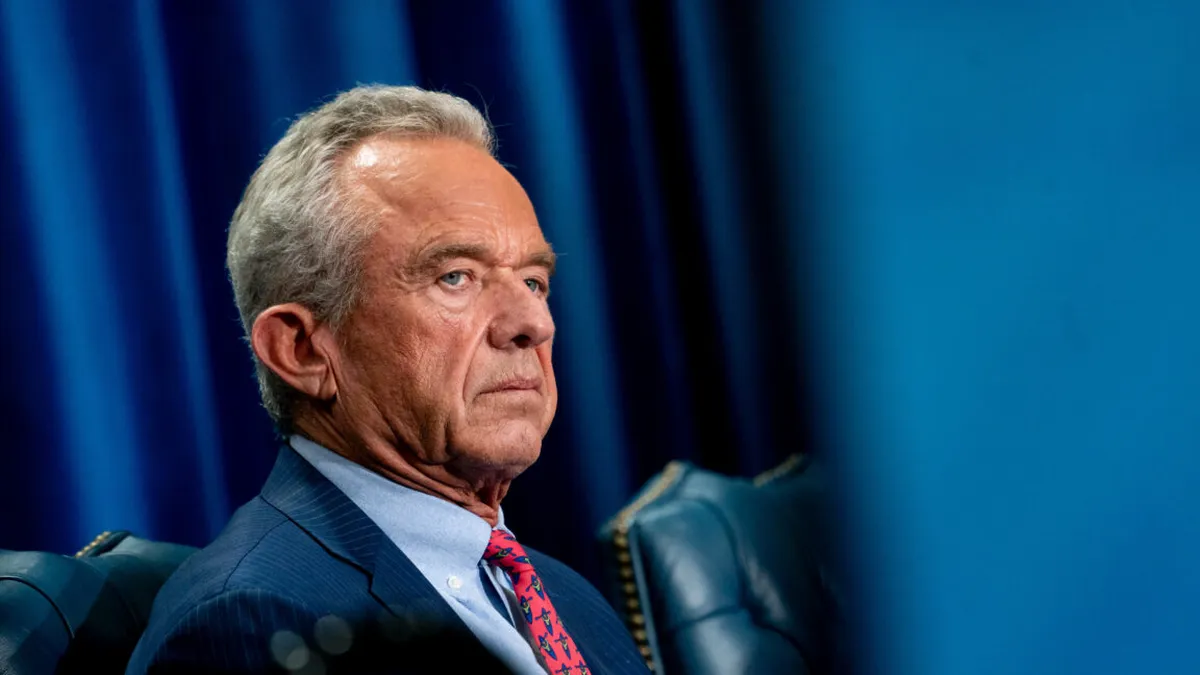
The relationship between President Donald Trump and Health Secretary Robert F. Kennedy Jr. has recently come under scrutiny, particularly in the context of the ongoing vaccine debate that has polarized American society. Reports indicate that Trump is increasingly frustrated with Kennedy for not taking a more aggressive stance against childhood vaccinations, a move that could have significant implications for public health and political dynamics in the U.S.
At the heart of this tension is Trump's long-standing fixation on the discredited notion that vaccines are linked to autism, a belief that has been thoroughly debunked by extensive scientific research. Nevertheless, Trump appears to see this controversy as a potential legacy issue, suggesting that scaling back vaccine recommendations could be a way to cement his position in the eyes of his base. This situation raises critical questions about the role of public health officials in shaping policies that impact the well-being of the nation.
Trump's Anti-Vaccine Obsession
Despite overwhelming evidence supporting the safety and efficacy of vaccines, Trump has clung to the idea that there is a causal connection between vaccination and autism. This notion has been perpetuated by various anti-vaccine activists, including Kennedy, who has made a name for himself as a prominent figure in the anti-vaccine movement. His position as the Secretary of Health and Human Services (HHS) adds a troubling layer to the anti-vaccine rhetoric that has gained traction in recent years.
The Autism Link: A Misguided Legacy
Trump's desire to uncover a supposed link between vaccines and autism seems to stem from a personal and political need to address a narrative that resonates with a segment of the American populace. He reportedly wishes to take credit for an autism remedy, which he believes could be a significant part of his presidential legacy. This fixation has led to a strained relationship with Kennedy, who has been criticized for not pushing the anti-vaccine agenda aggressively enough.

Kennedy's Actions and Public Health Risks
Kennedy's involvement in public health policy has raised alarm bells among medical professionals and public health experts. Critics argue that his efforts to undermine vaccine recommendations could have dire consequences for public health. Notable actions attributed to Kennedy include:
- Overhauling key vaccine advisory committees with allies who share his anti-vaccine views.
- Removing evidence-based recommendations for crucial vaccines like the hepatitis B birth dose and the MMRV (measles, mumps, rubella, and varicella) combination shot.
- Adjusting the U.S. childhood vaccine schedule to mirror that of Denmark, a nation with a vastly different healthcare landscape.
- Halting promotional campaigns for seasonal flu vaccines during peak flu seasons, potentially endangering vulnerable populations.
- Editing CDC materials to falsely suggest a link between vaccines and autism.

Political Implications and Backlash
The political ramifications of Kennedy's actions are significant. As public sentiment continues to sway against anti-vaccine rhetoric, recent polling has shown that Kennedy's attempts to reduce vaccine recommendations are widely unpopular. This unpopularity poses a substantial risk not only to Kennedy's standing within the administration but also to Trump's political strategy, especially as the midterm elections approach.
Advisors' Concerns
Recognizing the potential fallout, White House political advisors have urged both Trump and Kennedy to temper their anti-vaccine messaging. While Kennedy has seemingly complied by avoiding vaccine discussions in public appearances, Trump's consistent push for more radical policy changes reveals a disconnect between the administration's public health objectives and its political ambitions. This discord raises questions about the future of vaccination policies in the U.S. and the role of scientific evidence in shaping these policies.

Regulatory Moves and Future Risks
Kennedy's efforts to reshape vaccination policies have encountered legal challenges, particularly regarding changes to advisory committees and the childhood vaccine schedule. However, he is laying the groundwork for regulatory changes that could undermine vaccination rates in ways that are more difficult to reverse. With rumors swirling about potential replacements for Kennedy, including figures with strong ties to the anti-vaccine movement, the future of public health policy remains uncertain.
The Stakes for Public Health
The implications of this power struggle extend far beyond politics. As the COVID-19 pandemic has illustrated, vaccination is a crucial component of public health infrastructure. If Kennedy's policies continue unchecked, the resurgence of preventable diseases could become a stark reality, threatening the health of future generations. The urgency of addressing vaccine misinformation cannot be overstated; doing so is vital for the safety and well-being of the population.
Key Takeaways
- Trump's frustration with Kennedy indicates ongoing tensions within the administration regarding vaccine policy.
- Kennedy's anti-vaccine actions pose serious risks to public health and could lead to increased disease outbreaks.
- Polling indicates that the public is largely against efforts to cut back on childhood vaccinations.
- Future changes to vaccine policy could have lasting implications for public health, especially as political pressures mount.
- The relationship between science, public health, and political agendas is increasingly fraught and complex.
Frequently Asked Questions
What are the main concerns regarding RFK Jr.'s actions as Health Secretary?
RFK Jr.'s actions as Health Secretary have raised alarm due to his alignment with anti-vaccine ideologies. Critics fear that his influence on public health policy could jeopardize vaccination rates and lead to outbreaks of preventable diseases. His changes to advisory committees and vaccine recommendations have sparked legal challenges and public outcry.
How has Trump's stance on vaccines influenced public perception?
Trump's persistent promotion of anti-vaccine rhetoric has significantly shaped public perception, particularly among his supporters. This narrative has reinforced fears regarding vaccine safety and contributed to vaccine hesitancy, complicating efforts to achieve high vaccination rates across the population.
What are the potential political consequences of Kennedy's approach?
The political consequences of Kennedy's anti-vaccine approach could be severe, especially as public support for vaccination remains strong. If Kennedy's policies lead to public health crises or backlash from constituents, it could jeopardize Trump's administration and impact future elections.
How can the public combat misinformation about vaccines?
Combating misinformation about vaccines requires a multifaceted approach. Public health campaigns, education initiatives, and advocacy for science-based policy can all play vital roles. Engaging communities through outreach, providing accurate information, and countering myths with evidence are essential to fostering trust in vaccines.
Comments
Navigating the Complexities of AI Watermarking: Google's SynthID Explained
As AI-generated content proliferates online, Google's SynthID watermark aims to tackle misinformation. But does it provide a foolproof solution? This article delves into its capabilities and limitations.

Related articles







Popular in Cybersecurity
- Federal Mandate for Autonomous Vehicles: A Call for Safety Compliance
- EU Mandates Google to Share Data and Open AI on Android: What It Means
- GitHub Revamps Bug Bounty Program: Implications for Developers and Security
- Australian Government Disables Thousands of Functional Broadband Routers: A Wasteful Decision
- Exploiting Redis: Understanding Zero-Day Vulnerabilities and Their Mitigation