AI Breakthroughs in Cybersecurity: Navigating Post-Quantum Threats
Recent advancements in AI have led to significant breakthroughs in cybersecurity, particularly in post-quantum cryptography. Organizations must adapt to these evolving threats to safeguard their data.
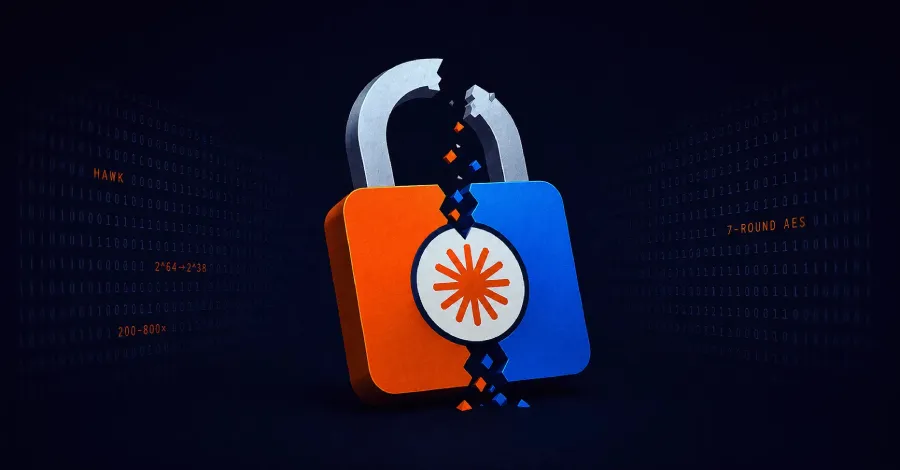
In an era where data breaches and cyber threats are increasingly sophisticated, the intersection of artificial intelligence (AI) and cybersecurity is a focal point of innovation and concern. Recent developments demonstrate that AI not only enhances security measures but also poses unique challenges, particularly with the advent of post-quantum computing. One notable breakthrough involves Claude AI, an advanced model that has successfully cracked a post-quantum test scheme and identified a faster method of attacking the Advanced Encryption Standard (AES) using only seven rounds. This article explores the implications of these advancements and outlines essential steps organizations can take to bolster their cybersecurity defenses.
Understanding Post-Quantum Cryptography
Post-quantum cryptography refers to cryptographic algorithms that are considered secure against the potential threats posed by quantum computers. Quantum computers, leveraging principles of quantum mechanics, can solve certain problems much faster than classical computers, which could render traditional encryption methods obsolete. AES, a widely used symmetric encryption algorithm, is currently secure against classical attacks, but its vulnerabilities in a post-quantum world raise significant concerns for businesses and individuals alike.

The Role of AI in Cybersecurity
AI has become a double-edged sword in the realm of cybersecurity. On one hand, it serves as a powerful tool for detecting and mitigating threats; on the other, it can be exploited by malicious actors to identify weaknesses in systems. The recent success of Claude AI in cracking a post-quantum test scheme highlights this duality. By developing a faster method to attack AES, AI not only demonstrates its potential to revolutionize cybersecurity but also underscores the importance of staying ahead of the curve in implementing robust security protocols.
How AI Enhances Cyber Threat Detection
AI-driven models can analyze vast amounts of data to identify patterns indicative of cyber threats. This capability allows organizations to:
- Quickly detect anomalies and potential breaches.
- Automate responses to known vulnerabilities, reducing response time.
- Predict future threats based on historical data.
However, the same models can also be used by cybercriminals to scan for vulnerabilities in systems, making it crucial for organizations to adopt proactive security measures.

Steps to Secure Against AI-Driven Threats
As AI continues to evolve, organizations must take proactive steps to protect their systems from both traditional and AI-driven attacks. Here are five essential strategies:
1. Implement Advanced Encryption Standards
Despite the emerging threats posed by AI, organizations should still prioritize the use of advanced encryption methods. Transitioning to post-quantum cryptographic algorithms is crucial as traditional methods may soon become vulnerable.
2. Regularly Update and Patch Systems
Keeping software updated and patched is critical in defending against known vulnerabilities. Regular updates should include security patches that address newly discovered weaknesses.
3. Conduct Vulnerability Assessments
Regular vulnerability assessments can help organizations identify and mitigate potential weaknesses before they can be exploited. Employing both automated tools and manual testing provides a comprehensive approach to security.
4. Educate Employees on Cybersecurity Best Practices
Human error remains a significant factor in many security breaches. Providing employees with training on best practices can reduce the risk of phishing attacks and other social engineering tactics.
5. Leverage AI for Defense
Organizations can harness AI’s capabilities to strengthen their defenses. AI-driven security solutions can provide real-time analysis, anomaly detection, and automated response systems to enhance overall security posture.

Key Takeaways
- AI is revolutionizing both cybersecurity defenses and attack strategies.
- Post-quantum cryptography is essential as quantum computing evolves.
- Proactive security measures are vital to counter emerging threats.
- Regular updates and employee education significantly reduce risks.
- Leveraging AI for defense can enhance organizational security.
Frequently Asked Questions
What is post-quantum cryptography?
Post-quantum cryptography refers to cryptographic algorithms that are designed to be secure against the potential threats posed by quantum computers. Unlike traditional algorithms, which could be easily compromised by quantum computing technologies, post-quantum algorithms aim to provide a higher level of security. As quantum computers become more capable, transitioning to these new algorithms will be crucial for protecting sensitive data.
How can AI be used for cybersecurity?
AI can enhance cybersecurity in several ways, including threat detection, automated responses, and predictive analytics. By analyzing large datasets, AI can identify patterns that suggest suspicious activity, allowing organizations to respond quickly to potential threats. Additionally, AI can automate routine security tasks, freeing up IT personnel to focus on more strategic initiatives.
What steps should organizations take to prepare for quantum threats?
Organizations should begin by assessing their current encryption methods and identifying potential vulnerabilities. Transitioning to post-quantum cryptographic algorithms is essential, as is implementing regular vulnerability assessments and security updates. Employee training on cybersecurity best practices is also critical to mitigating risks associated with human error. Finally, leveraging AI tools can bolster overall security measures against both traditional and emerging threats.
Comments
Navigating the Complexities of AI Watermarking: Google's SynthID Explained
As AI-generated content proliferates online, Google's SynthID watermark aims to tackle misinformation. But does it provide a foolproof solution? This article delves into its capabilities and limitations.
Related articles







Popular in Cybersecurity
- Federal Mandate for Autonomous Vehicles: A Call for Safety Compliance
- EU Mandates Google to Share Data and Open AI on Android: What It Means
- GitHub Revamps Bug Bounty Program: Implications for Developers and Security
- Australian Government Disables Thousands of Functional Broadband Routers: A Wasteful Decision
- Exploiting Redis: Understanding Zero-Day Vulnerabilities and Their Mitigation