Understanding Operation BlueDash: Cybersecurity Challenges and Solutions
Operation BlueDash highlights the increasing threat of cyber attacks through deceptive software updates. Learn how to bolster your cybersecurity measures against such vulnerabilities.
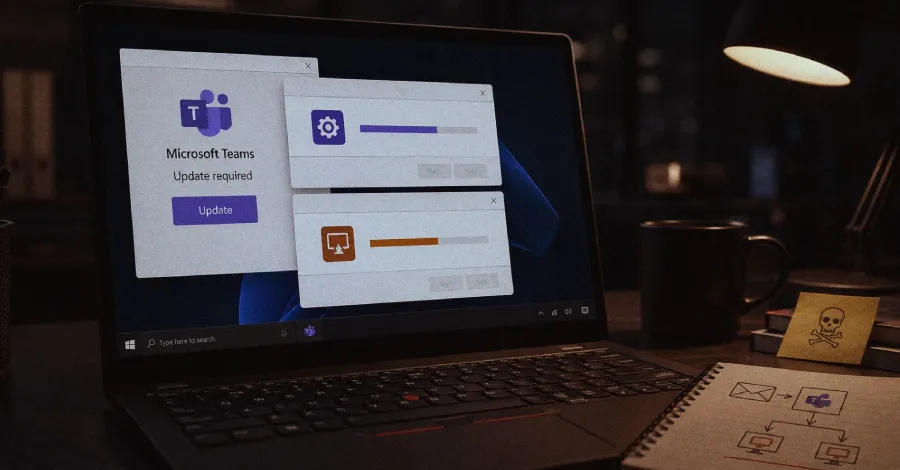
In the ever-evolving landscape of cybersecurity, organizations face a myriad of threats, many of which utilize deceptive tactics to infiltrate networks and compromise sensitive data. One recent operation, dubbed Operation BlueDash, exemplifies how cybercriminals exploit software vulnerabilities to execute their malicious agendas. By simulating legitimate software updates, such as a Microsoft Teams update, attackers can deploy remote monitoring and management tools like Level RMM and ScreenConnect, leading to significant security breaches. As businesses increasingly rely on digital tools for communication and operations, understanding these threats is imperative.
As we delve into the implications of Operation BlueDash, we will explore the underlying tactics employed by cybercriminals, the specific vulnerabilities highlighted by this operation, and actionable steps organizations can take to bolster their cybersecurity posture against similar attacks. With insights drawn from industry best practices, we aim to equip readers with the knowledge needed to safeguard their digital assets.
The Mechanics of Operation BlueDash
Operation BlueDash is a stark reminder of the lengths to which cybercriminals will go to exploit software vulnerabilities. At its core, the operation involves a fraudulent software update that targets users of Microsoft Teams, a widely utilized communication platform. This tactic leverages social engineering techniques, where users are lured into downloading what appears to be a legitimate update.
Once the malicious update is installed, it enables attackers to deploy tools like Level RMM and ScreenConnect. These tools are primarily designed for legitimate remote management and technical support; however, in the hands of cybercriminals, they can facilitate unauthorized access to systems, manipulation of data, and exfiltration of sensitive information. The use of familiar software updates as a vector for attacks underscores the necessity for vigilance and enhanced security protocols.
Identifying Vulnerabilities in Software Updates
The rise of AI models in cybersecurity has brought about new methods for identifying software vulnerabilities. While AI can enhance threat detection capabilities, it also poses risks if it falls into the wrong hands. Cybercriminals can utilize AI to analyze software updates and identify vulnerabilities to exploit.
Organizations must implement robust vulnerability management practices, including:
- Regular Software Audits: Conduct frequent audits of all software to identify outdated applications that may contain known vulnerabilities.
- Patch Management: Ensure timely application of security patches and updates to mitigate exposure to known threats.
- Employee Training: Educate employees on recognizing phishing attempts and the importance of verifying software updates.
- Intrusion Detection Systems: Employ advanced security systems that leverage AI for real-time threat detection and response.
- Multi-Factor Authentication: Implement MFA to provide an additional layer of security against unauthorized access.

Why It Matters: Implications for Businesses
The implications of Operation BlueDash extend beyond the immediate threat of unauthorized access. Businesses affected by such operations may face significant financial losses, damage to their reputation, and potential legal ramifications. According to industry estimates, the average cost of a data breach in the United States can range from $3.86 million to $8.64 million, depending on the nature and scope of the breach.
Moreover, the fallout from cyber incidents can lead to loss of customer trust, regulatory scrutiny, and disruptions in business operations. For example, organizations may need to allocate resources to incident response, legal consultations, and public relations efforts to manage the aftermath of a cyber event. As such, investing in cybersecurity is no longer a luxury but a necessity for businesses of all sizes.

Steps to Bolster Cybersecurity Posture
In light of the increasing sophistication of cyber threats, organizations must adopt a proactive approach to cybersecurity. Here are key steps that can help strengthen defenses against operations like BlueDash:
1. Implement a Comprehensive Security Framework
Organizations should establish a holistic security framework that encompasses all aspects of their operations, including network security, application security, and data protection. This framework should be regularly updated to reflect the latest threat intelligence and best practices.
2. Foster a Culture of Security Awareness
Creating a security-aware culture within the organization is critical. Employees should be encouraged to report suspicious activities and participate in regular training sessions to stay informed about the latest threats.
3. Collaborate with Cybersecurity Experts
Engaging with cybersecurity professionals can provide organizations with insights into potential vulnerabilities and tailored strategies to mitigate risks. Regular consultations with experts can help businesses stay ahead of emerging threats.
4. Enhance Incident Response Plans
Having a well-defined incident response plan is essential for minimizing the impact of a cyberattack. Organizations should regularly test and update their plans to ensure effectiveness in real-world scenarios.
Key Takeaways
- Operation BlueDash highlights the dangers of deceptive software updates in cyberattacks.
- Organizations must prioritize vulnerability management and employee training to combat threats.
- The financial and reputational implications of data breaches necessitate proactive cybersecurity measures.
- Implementing a comprehensive security framework is essential for safeguarding digital assets.
- Collaboration with cybersecurity experts can enhance organizational defenses.
Frequently Asked Questions
What is Operation BlueDash?
Operation BlueDash is a cyber operation that involves the deployment of malicious software through fake updates, specifically targeting users of Microsoft Teams. By masquerading as legitimate software updates, attackers can install remote management tools that facilitate unauthorized access to systems.
How can organizations protect themselves from similar attacks?
Organizations can protect themselves by implementing robust security measures, including regular software audits, timely patch management, employee training on phishing recognition, and utilizing advanced intrusion detection systems. Establishing a culture of security awareness within the organization is also critical in identifying and mitigating potential threats.
What are the financial implications of a data breach?
The financial implications of a data breach can be significant, with average costs in the U.S. ranging from $3.86 million to $8.64 million. This includes expenses related to legal fees, regulatory fines, incident response, and reputational damage, which can further exacerbate financial losses.
Why is employee training important in cybersecurity?
Employee training is vital in cybersecurity as human error is often a key factor in successful cyberattacks. By educating employees on recognizing phishing attempts and the importance of verifying software updates, organizations can reduce the likelihood of falling victim to deceptive tactics employed by cybercriminals.
Comments
Understanding the Threat of Cruciferra Crypter: Defending Against Advanced Malware Techniques
Cruciferra Crypter is leveraging advanced techniques like BYOVD and process ghosting to hide malware effectively. Organizations must understand these strategies to bolster their cybersecurity defenses.

Related articles





Popular in Cybersecurity
- Federal Mandate for Autonomous Vehicles: A Call for Safety Compliance
- EU Mandates Google to Share Data and Open AI on Android: What It Means
- GitHub Revamps Bug Bounty Program: Implications for Developers and Security
- Australian Government Disables Thousands of Functional Broadband Routers: A Wasteful Decision
- Exploiting Redis: Understanding Zero-Day Vulnerabilities and Their Mitigation