Malvertising Threats: Understanding and Mitigating Software Vulnerabilities
Malvertising tactics are evolving, leveraging AI to deliver malware more stealthily. This article explores these threats and outlines essential security measures.
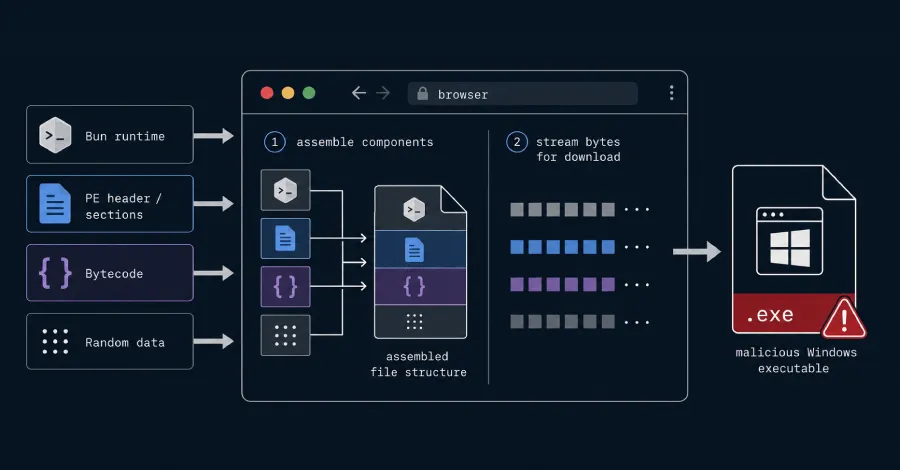
The digital landscape is continuously changing, and with it, the methods cybercriminals employ to infiltrate systems. One of the most alarming developments is malvertising, a tactic that combines malicious code delivery with advertisements to compromise unsuspecting users. Recent advancements in artificial intelligence (AI) have made these attacks more sophisticated, enabling malware to be delivered in fragmented pieces, which the victim's browser then assembles into a harmful executable. Understanding these tactics and implementing robust security measures is crucial for organizations aiming to protect their data and systems.
In this article, we will explore the mechanics of malvertising, its implications for cybersecurity, and how businesses can effectively safeguard against these vulnerabilities using AI-driven tools and strategies.
The Mechanics of Malvertising
Malvertising, short for malicious advertising, involves embedding harmful code within legitimate ad networks. When users click on an advertisement, they may unknowingly download malware onto their devices. The evolution of this technique has reached a point where attackers can distribute malware in pieces, rather than as a single executable file. This fragmentation makes it more challenging for security systems to detect and block the malicious components.
How Malvertising Works
- Fragmented Delivery: Attackers upload small pieces of malware to ad networks, which are then delivered to users’ browsers when they load an ad.
- Browser Assembly: Once the pieces are delivered, the browser assembles them into a complete executable, often without raising any red flags.
- Stealthy Execution: This method allows malware to evade traditional detection systems, as the individual pieces may not appear harmful on their own.

The Role of AI in Cybersecurity
Artificial intelligence is transforming the cybersecurity landscape by enhancing the ability to detect and respond to threats. AI models can analyze vast amounts of data in real time, identifying patterns and anomalies that may indicate a security breach. By employing AI-driven tools, organizations can proactively defend against sophisticated attacks, including those stemming from malvertising.
Benefits of AI in Cybersecurity
- Rapid Threat Detection: AI can monitor network traffic and user behavior to identify potential threats before they cause damage.
- Automated Response: In case of a detected anomaly, AI systems can automatically respond to neutralize threats, reducing response times significantly.
- Enhanced Predictive Analytics: AI can forecast potential vulnerabilities based on historical data, allowing organizations to strengthen their defenses before an attack occurs.

Steps to Secure Your Organization Against Malvertising
Given the increasing prevalence of malvertising and the sophistication of AI-powered attacks, organizations must adopt a multi-layered security approach. Here are five essential steps to secure against these software vulnerabilities:
1. Employ Advanced Threat Detection Tools
Invest in robust security solutions that incorporate AI and machine learning capabilities. These tools can help identify and mitigate threats in real-time by analyzing user behavior and network traffic.
2. Implement Regular Software Updates
Ensure that all software and applications are kept up-to-date with the latest security patches. Cybercriminals often exploit known vulnerabilities in outdated software to deliver malware.
3. Train Employees on Cyber Hygiene
Regular training sessions for employees on recognizing suspicious ads and phishing attempts can significantly reduce the risk of falling victim to malvertising. An informed workforce is a vital line of defense.
4. Utilize Web Filtering Solutions
Employ web filtering technologies to block access to known malicious sites and ads. This layer of protection can prevent users from inadvertently clicking on harmful advertisements.
5. Conduct Regular Security Audits
Performing regular audits of your security infrastructure will help identify vulnerabilities and ensure that your defenses are effective against the latest threats.

Key Takeaways
- Malvertising is an evolving threat that delivers malware in fragmented pieces.
- AI tools enhance the ability to detect and respond to cybersecurity threats.
- Adopting a multi-layered security approach is essential for mitigating risks.
- Regular training and awareness can empower employees to recognize threats.
- Ongoing security audits are crucial for maintaining effective defenses.
Frequently Asked Questions
What is malvertising and how does it work?
Malvertising refers to the practice of embedding malicious code within online advertisements. When users interact with these ads, they may inadvertently download malware. Modern malvertising tactics involve delivering this malware in pieces, allowing the browser to assemble it into a harmful executable, often without detection.
How can AI help in combating malvertising?
AI technologies can analyze large datasets and user behavior patterns to detect anomalies that may indicate a cyber threat. By leveraging AI, organizations can enhance their threat detection capabilities, automate responses to incidents, and predict potential vulnerabilities, making it a powerful ally in the fight against malvertising.
What steps can organizations take to protect against malvertising?
Organizations can protect against malvertising by employing advanced threat detection tools, keeping software updated, training employees on cybersecurity best practices, utilizing web filtering solutions, and conducting regular security audits. These measures create a multi-layered defense that can significantly reduce the risk of successful attacks.
Why is employee training important in cybersecurity?
Employee training is crucial because many cyberattacks exploit human error. By educating employees about recognizing suspicious behavior, such as dubious advertisements or phishing attempts, organizations can strengthen their overall security posture and reduce the likelihood of falling victim to cyber threats.
Comments
Understanding the Threat of Cruciferra Crypter: Defending Against Advanced Malware Techniques
Cruciferra Crypter is leveraging advanced techniques like BYOVD and process ghosting to hide malware effectively. Organizations must understand these strategies to bolster their cybersecurity defenses.

Related articles







Popular in Cybersecurity
- Federal Mandate for Autonomous Vehicles: A Call for Safety Compliance
- EU Mandates Google to Share Data and Open AI on Android: What It Means
- GitHub Revamps Bug Bounty Program: Implications for Developers and Security
- Australian Government Disables Thousands of Functional Broadband Routers: A Wasteful Decision
- Exploiting Redis: Understanding Zero-Day Vulnerabilities and Their Mitigation