Securing n8n: Addressing Recent Vulnerabilities in Workflow Automation
The n8n platform has exposed vulnerabilities that enable unauthorized access to operating system commands. This article explores the implications and steps for securing your automation workflows.
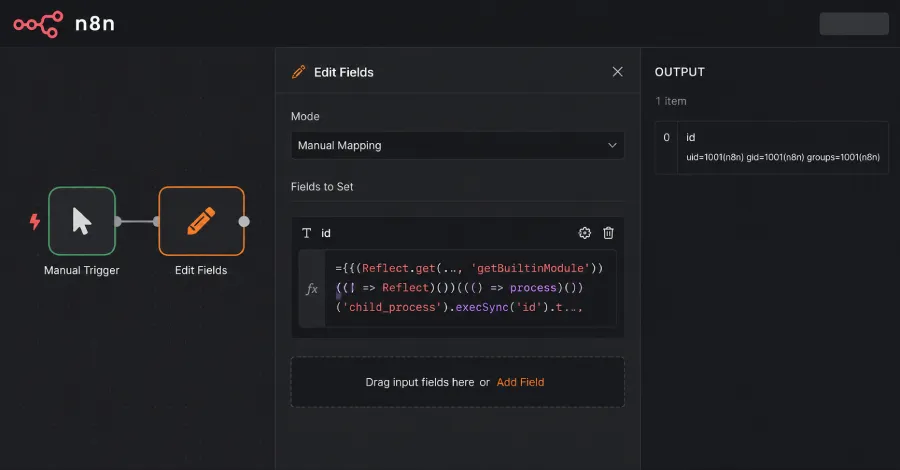
In the rapidly evolving landscape of workflow automation, n8n has emerged as a popular open-source platform that allows users to create complex workflows by connecting various applications. However, recent security vulnerabilities have raised concerns, particularly around a sandbox escape issue that allows malicious actors to execute operating system commands within the n8n process. This article delves into the implications of these vulnerabilities, the potential risks, and practical steps organizations can take to fortify their n8n environments against exploitation.
Automation tools like n8n play a crucial role in enhancing productivity and streamlining processes in businesses of all sizes. Yet, as with any software, they are not immune to vulnerabilities. Understanding these risks and taking proactive measures to address them is essential for securing sensitive data and maintaining operational integrity.
Understanding the Vulnerability: Sandbox Escape in n8n
The recent vulnerabilities discovered within n8n highlight a serious flaw in its sandboxing mechanism. A sandbox is a security feature designed to isolate running applications, preventing them from accessing the broader system or executing arbitrary code. However, in n8n, a flaw was identified that allows users with edit permissions to escape this sandbox, effectively allowing them to run OS commands as the n8n process itself.
This issue is particularly alarming because it can lead to a range of malicious activities, such as:
- Unauthorized access to sensitive files and data
- Execution of arbitrary commands that could compromise the host system
- Potential lateral movement across a network to exploit other vulnerabilities

The Importance of Securing Workflow Automation Tools
Workflow automation tools like n8n are increasingly integrated into business operations, making them attractive targets for cybercriminals. The implications of a successful attack can be severe, including data breaches, system downtime, and financial loss. Organizations that rely on these tools must prioritize security to mitigate risks.
Furthermore, as workflows often involve multiple applications and services, a vulnerability in one tool can expose an organization to risks across its entire tech stack. For instance, if an attacker gains access to n8n, they may exploit connected services, leading to wider security breaches.

Steps to Secure Your n8n Environment
To safeguard against the vulnerabilities identified in n8n, organizations should adopt a comprehensive security approach. Here are five essential steps to enhance the security of your n8n workflows:
1. Restrict User Permissions
Limit the number of users with edit permissions to workflows. Only trusted individuals should have the ability to modify workflows, reducing the risk of malicious edits.
2. Regularly Update n8n
Keep your n8n installation updated with the latest security patches. Regular updates often include fixes for known vulnerabilities and are crucial for maintaining a secure environment.
3. Implement Network Segmentation
Isolate n8n from other critical systems within your network. By segmenting your network, you can limit the potential impact of a breach and control access to sensitive data.
4. Monitor and Audit Workflows
Regularly monitor workflows for unusual activity. Implement logging and auditing practices to track changes and detect potential exploitation attempts early.
5. Educate Your Team
Provide training for your team on the importance of security best practices. Employees should be aware of the risks associated with workflow automation tools and how to identify potential threats.

Key Takeaways
- The recent sandbox escape vulnerability in n8n allows unauthorized OS command execution.
- Organizations must prioritize the security of workflow automation tools to prevent data breaches.
- Implementing user permission restrictions and regular updates is crucial for safeguarding environments.
- Network segmentation can limit the impact of potential breaches.
- Continuous monitoring and team education enhance overall security resilience.
Frequently Asked Questions
What should I do if I suspect my n8n installation has been compromised?
If you suspect that your n8n installation has been compromised, immediately revoke access for all users and assess the situation. Review logs for any unauthorized activity and consider rolling back to a previous version if necessary. It may also be wise to consult with a cybersecurity expert for a thorough investigation and remediation.
How often should I update my n8n installation?
It is recommended to check for updates at least once a month. Keeping your n8n installation updated ensures that you have the latest security patches and improvements. Additionally, subscribing to the n8n community forums or developer updates can keep you informed of critical patches.
Can I integrate n8n with other security tools?
Yes, n8n can be integrated with various security tools to enhance monitoring and incident response capabilities. For example, connecting n8n with logging services or SIEM (Security Information and Event Management) systems can provide real-time insights into workflow activities and potential security threats.
Comments
Understanding the Threat of Cruciferra Crypter: Defending Against Advanced Malware Techniques
Cruciferra Crypter is leveraging advanced techniques like BYOVD and process ghosting to hide malware effectively. Organizations must understand these strategies to bolster their cybersecurity defenses.

Related articles





Popular in Cybersecurity
- Federal Mandate for Autonomous Vehicles: A Call for Safety Compliance
- EU Mandates Google to Share Data and Open AI on Android: What It Means
- GitHub Revamps Bug Bounty Program: Implications for Developers and Security
- Australian Government Disables Thousands of Functional Broadband Routers: A Wasteful Decision
- Exploiting Redis: Understanding Zero-Day Vulnerabilities and Their Mitigation