Artist Fights AI Meme Generator Over Copyright Claims
Elmer Saflor, known as 'Superelmer', is suing an AI meme generator for allegedly commercializing his popular comic without permission. This case raises critical questions about copyright in the age of AI.
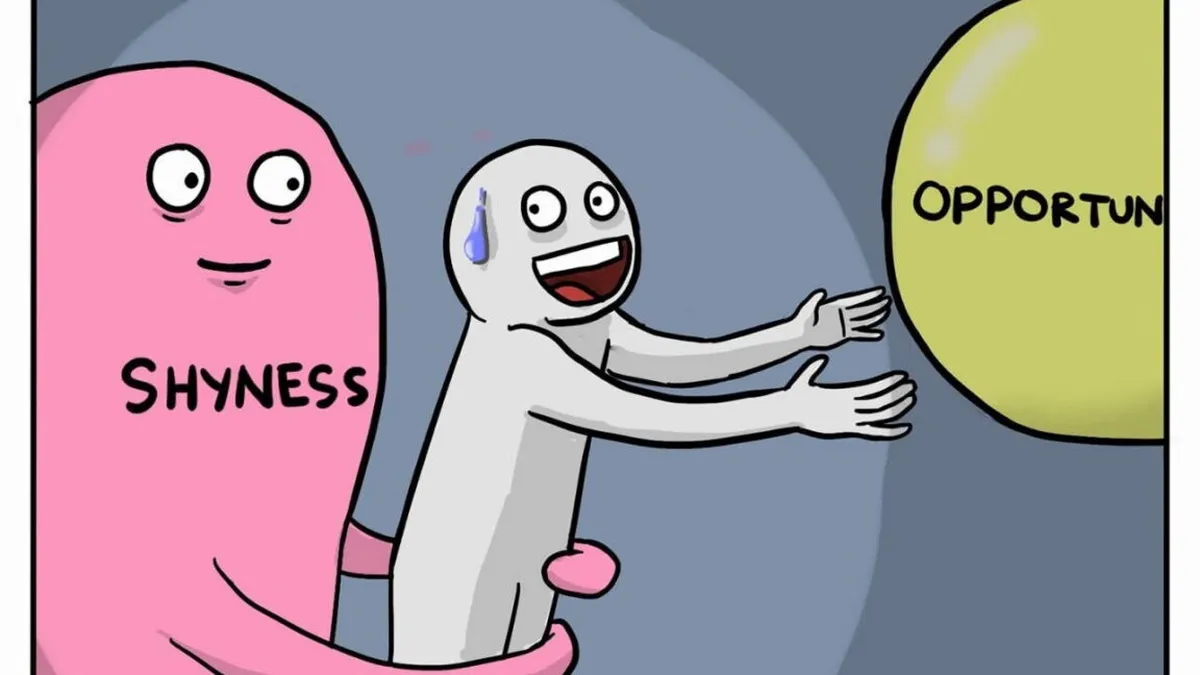
In a landmark case that could redefine the intersection of art, copyright, and artificial intelligence, artist Elmer Saflor, known in the digital realm as "Superelmer," is taking legal action against Memes Apps, LLC. This suit stems from an alleged infringement concerning Saflor's beloved comic, "Running Away Balloon," which has captivated millions since its viral rise in 2017. As AI-powered platforms increasingly encroach upon creative domains, the implications of this lawsuit extend far beyond a single artist, potentially reshaping the legal landscape for countless creators.
The heart of the dispute lies in Saflor's assertion that Memes Apps is unlawfully commercializing his copyrighted work without authorization. The platform, which operates under the Memes.ai and Memes AI Studio brands, allegedly markets a subscription service that generates advertisements using templates of popular memes, including Saflor's. This case raises essential questions about copyright law in the digital age, particularly how emerging technologies like AI interact with original creative expression.
The Backstory: From Viral Comic to Legal Battle
Elmer Saflor's "Running Away Balloon" comic is a two-panel illustration that depicts a man chasing a yellow balloon labeled "opportunities," only to be held back by a pink blob character labeled "shyness." This comic resonates deeply with audiences who see a reflection of their own struggles and aspirations. The simplicity and relatability of the comic have led to its widespread adaptation and remixing across social media platforms, with users employing the imagery to express personal sentiments about various life challenges.
Despite his appreciation for the organic sharing of his comic among users, Saflor draws the line at commercialization. In his lawsuit filed earlier this month, he alleges that Memes Apps has violated copyright law by offering paid subscriptions that allow advertisers to create ads featuring his work without his consent. This legal action not only aims to protect his rights but also seeks to prompt a necessary dialogue about the responsibilities of AI platforms in recognizing and honoring the rights of original creators.
The Legal Landscape: Copyright and AI
The case touches on critical legal principles concerning copyright, a concept designed to protect creators' original works from unauthorized use. According to Eric Goldman, an internet law expert, precedent exists that could bolster Saflor's claims. Notably, a 2024 ruling concerning the "SuccessKid" meme established that using a meme in a commercial context, such as an advertisement, typically requires the creator's permission.
Goldman notes that Saflor's approach of suing the meme generator rather than the advertisers themselves introduces complexities. It raises concerns about the broader implications for the meme ecosystem. If the court sides with Saflor, it may inadvertently limit the creative liberties associated with memes, which thrive on remixing and reinterpretation.
- Legal Precedent: Similar cases have established that memes used for commercial purposes require permission from original creators.
- Complex Defense: Memes Apps may argue that their model is common within the industry, complicating the defense.
- Proving Harm: A significant challenge for Saflor will be demonstrating the economic damage caused by the unauthorized use of his comic.
The Economic Impact: Valuing Creativity in the Digital Age
As the lawsuit progresses, one of the critical challenges facing Saflor is quantifying the economic damage incurred due to the alleged infringement. Given that Memes Apps operates a subscription model, determining how much revenue is directly attributable to Saflor's comic may prove complex. The platform reportedly collaborates with over 40 brands and generates up to 1,000 ads monthly, reaching an audience of over 75 million social media followers.
Saflor's legal strategy aims to compel Memes Apps to disclose the extent to which his comic has been used in their advertising outputs, underscoring the necessity for transparency in the monetization of creative works. In his view, the economic implications of allowing companies to exploit popular memes without compensation are dire, as they could undermine the livelihoods of artists who create original content.
The Broader Implications for Creators and AI
This lawsuit represents a critical crossroads for artists in the age of AI, as it raises fundamental questions about the ethics of AI-generated content and the ownership of creative work. Saflor argues that the commercialization of his comic without permission sets a dangerous precedent, potentially leading to systemic exploitation of artists by companies leveraging AI to generate content at scale.
He emphasizes the importance of recognizing that behind every viral meme lies a creator who deserves respect and protection. As AI tools become increasingly sophisticated, the conversation surrounding copyright must evolve to ensure that artists are not left behind. Saflor believes that this case could be pivotal in shaping future policies and practices surrounding the use of AI in creative industries.

Key Takeaways
- Legal Precedent: The outcome may influence how copyright law applies to memes and AI-generated content.
- Economic Impact: Saflor's case highlights the need for transparency and fair compensation for creators.
- Broader Discussion: The lawsuit underscores the ethical implications of AI in creative industries and the rights of original creators.
Frequently Asked Questions
What is the basis of Elmer Saflor's lawsuit against Memes Apps?
Elmer Saflor is suing Memes Apps for allegedly infringing his copyright by commercializing his popular comic, "Running Away Balloon," without his permission. The lawsuit aims to address the legal responsibilities of AI platforms in relation to original creators' rights and the commercialization of creative works.
How does copyright law apply to memes and AI-generated content?
Copyright law protects original works from unauthorized use, including memes that may be adapted or commercialized without the creator's consent. The outcome of Saflor's case may set important precedents for how copyright law is interpreted in the context of AI-generated content and its use in advertising.
What challenges does Saflor face in proving his case?
One significant challenge for Saflor is demonstrating the economic harm caused by the unauthorized use of his comic. He must also navigate the complexities of suing a meme generator instead of the advertisers using his work, which could complicate the case and its implications for the broader meme ecosystem.
What are the broader implications of this case for artists and AI?
This case has the potential to shape future policies regarding copyright and AI in creative industries. It raises essential questions about the ethical use of AI-generated content and the rights of original creators, emphasizing the need for fair compensation and recognition in an increasingly digital world.
Comments
Understanding the Threat of Cruciferra Crypter: Defending Against Advanced Malware Techniques
Cruciferra Crypter is leveraging advanced techniques like BYOVD and process ghosting to hide malware effectively. Organizations must understand these strategies to bolster their cybersecurity defenses.
Related articles


Popular in Cybersecurity
- Federal Mandate for Autonomous Vehicles: A Call for Safety Compliance
- EU Mandates Google to Share Data and Open AI on Android: What It Means
- GitHub Revamps Bug Bounty Program: Implications for Developers and Security
- Australian Government Disables Thousands of Functional Broadband Routers: A Wasteful Decision
- Exploiting Redis: Understanding Zero-Day Vulnerabilities and Their Mitigation