Global Movement to Ban Social Media for Children: A Comprehensive Overview
Countries around the world are increasingly moving towards banning social media for children and teens. This article explores the motivations, implications, and ongoing legislative efforts across various nations.
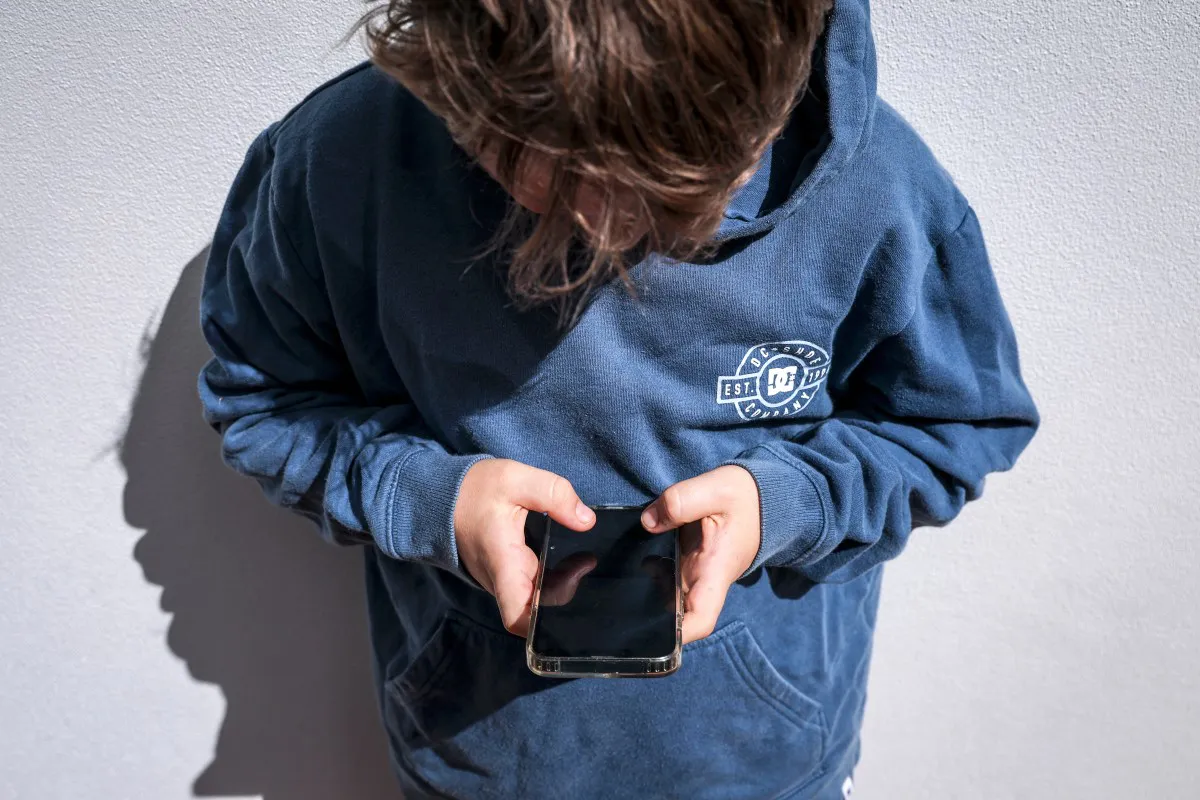
In an era where social media permeates every aspect of life, the safety of children online has become a pressing concern for governments worldwide. As the mental health crisis among youth escalates, fueled by issues such as cyberbullying, anxiety, and addiction, a number of countries are enacting legislation to restrict social media access for younger users. Australia has led the charge, implementing a ban on social media for children under 16, a move that has sparked a global conversation about the responsibilities of both governments and tech companies. With France recently joining the ranks of nations considering similar restrictions, it is clear that this trend is gaining momentum.
This article delves into the growing movement to ban social media for children across various countries, examining the motivations behind these legislative measures, the potential implications for young users, and the criticisms surrounding them. As these laws take shape, they are not only reshaping the digital landscape for children but also raising important questions about privacy, enforcement, and the role of technology in our lives.
Why Are Countries Enacting Social Media Bans?
The push to restrict social media for children primarily stems from growing concerns about their mental health and safety. Research has increasingly linked social media use to negative outcomes for youth, including:
- Cyberbullying: A significant number of children and teens experience harassment online, leading to severe emotional distress.
- Addiction: Many young users find it difficult to detach from their devices, leading to decreased academic performance and social isolation.
- Mental Health Issues: Studies indicate a correlation between heavy social media use and increased rates of anxiety, depression, and sleep problems among young users.
- Exposure to Inappropriate Content: The vast and unregulated nature of social media exposes children to potentially harmful content and individuals.
As governments grapple with these challenges, implementing bans appears to be a direct method to mitigate the risks associated with social media for children.

Global Legislative Responses to Social Media Concerns
A wave of countries has begun to draft or implement legislation aimed at banning social media access for children. Here’s a closer look at the developments:
Australia: The Trailblazer
Australia became the first country to enact a social media ban for children under 16 in December 2025. The law prohibits access to popular platforms like Facebook, Instagram, Snapchat, and TikTok. The Australian government has mandated that social media companies must use stringent age verification methods, with penalties reaching up to $34.4 million USD for non-compliance.
Europe's Emerging Laws
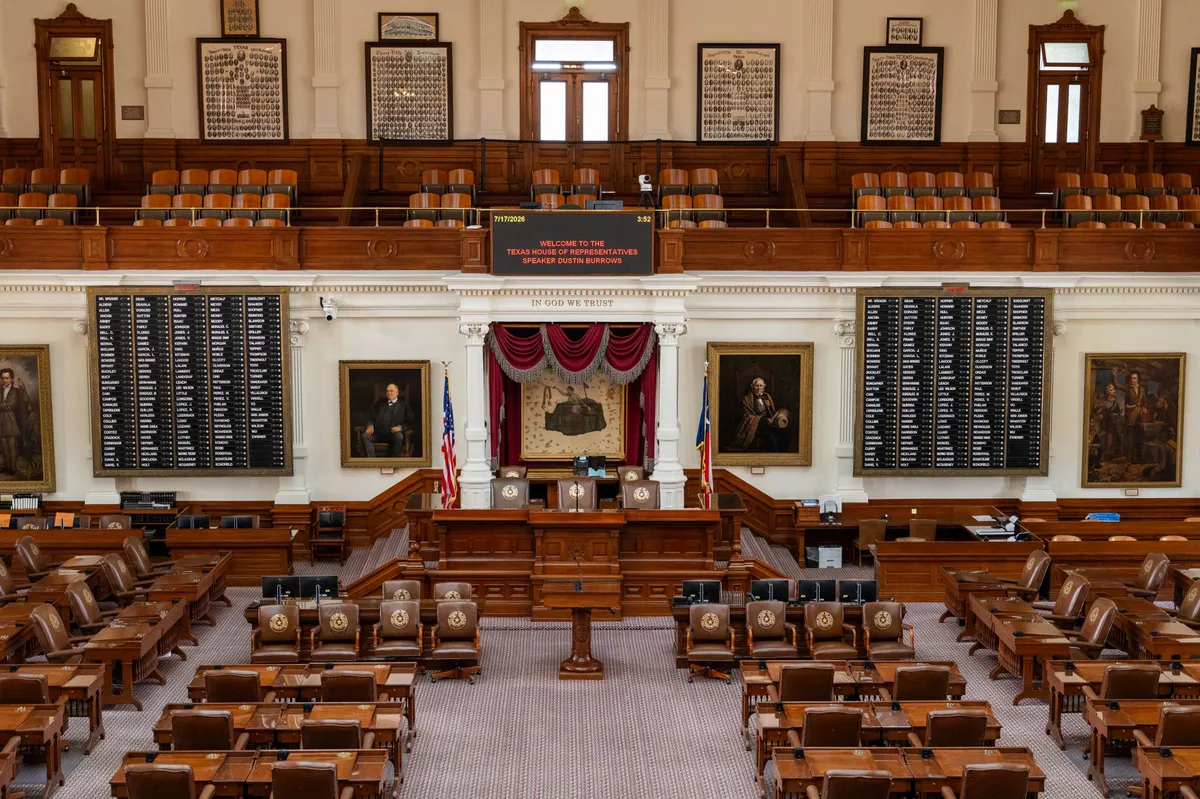
France recently passed a law banning social media for anyone under 15, with plans to enforce it by September 1, 2026. This law also extends restrictions on mobile phone usage in high schools, echoing the approach taken in primary and middle schools. Other European countries like Austria, Denmark, and Germany are in various stages of drafting similar legislation. For example, Denmark plans to ban access for children under 15, with a digital evidence app being rolled out to assist with age verification.
North America and Beyond
In Canada, a proposed digital safety bill aims to restrict social media for children under 16, although it may take up to a year for the legislation to pass. Meanwhile, Greece and Indonesia are planning to implement bans starting in 2027 and early 2026, respectively. The implications of these restrictions are far-reaching, as they reflect a growing recognition of the need to protect young users in an increasingly digital world.
Privacy Concerns and Industry Pushback
While the intent behind these bans is to protect children, critics have raised legitimate concerns regarding privacy and the effectiveness of such measures. Critics argue that:
- Invasiveness of Age Verification: Many age verification methods can be invasive, requiring sensitive personal information that could lead to data privacy breaches.
- Inadequate Solutions: Some experts, including organizations like Amnesty Tech, argue that banning social media does not address the root causes of the issues faced by young users, such as mental health challenges and inadequate parental guidance.
- Potential for Increased Isolation: Critics also warn that removing social media access may lead to further isolation for children, as these platforms often serve as primary means of connection among peers.
As the conversation continues, social media companies are being called upon to develop more robust safety measures that protect young users without requiring outright bans.
What Lies Ahead for Social Media Regulation?
The future of social media regulation is uncertain, particularly as countries around the world grapple with balancing user safety and freedom of expression. As these laws evolve, several key factors will likely influence their effectiveness:
- International Cooperation: Countries may need to collaborate on setting universal standards for social media regulations to avoid discrepancies that could lead to enforcement challenges.
- Technological Solutions: As age verification technology advances, companies may need to adopt innovative solutions that ensure compliance without compromising user privacy.
- Public Awareness: Educating parents and children about the risks of social media and promoting digital literacy will be crucial in fostering safer online experiences.
While some nations are moving toward legislative bans, the effectiveness of these measures will depend on thoughtful implementation and a commitment to protecting young users through comprehensive strategies.
Key Takeaways
- Countries worldwide are increasingly moving to restrict social media access for children to combat mental health and safety issues.
- Australia was the first to implement a ban, with other countries like France, Canada, and Greece following suit.
- Critics of these bans emphasize concerns over privacy, the effectiveness of such measures, and the potential for increased isolation among young users.
- Future regulation will likely require international cooperation and technological advancements in age verification.
Frequently Asked Questions
What are the main reasons behind the push to ban social media for children?
The primary motivations for banning social media for children include rising concerns about mental health issues such as anxiety and depression, the prevalence of cyberbullying, and the addictive nature of these platforms. Governments aim to create a safer online environment for young users by restricting their access to potentially harmful content and reducing exposure to online predators.
How do countries enforce age restrictions for social media use?
Countries enforce age restrictions through various methods, including mandatory age verification systems that require users to provide identification or utilize biometric data. Governments may also impose penalties on social media companies that fail to comply with these regulations, encouraging them to develop more robust verification processes to ensure that children cannot access their services.
What are the criticisms of social media bans for children?
Critics argue that outright bans may be ineffective and could infringe on privacy rights. They emphasize that bans do not address underlying issues such as mental health and parental guidance. Additionally, the potential for data breaches due to invasive age verification measures raises concerns about the security of personal information.
What future developments can we expect in social media regulation?
As the conversation around social media regulation evolves, we can expect more countries to consider similar legislation, especially as evidence mounts regarding the negative impacts of social media on youth. The development of more advanced age verification technologies, increased international cooperation, and a focus on public education regarding digital literacy will likely shape the future landscape of social media regulation.
Comments
OpenAI's Hugging Face Breach: A Wake-Up Call for AI Safety
OpenAI's recent breach of Hugging Face highlights significant risks in AI development and cybersecurity. This incident exposes the vulnerabilities of AI systems and the need for stricter controls and oversight.
Related articles





Popular in Cybersecurity
- Federal Mandate for Autonomous Vehicles: A Call for Safety Compliance
- EU Mandates Google to Share Data and Open AI on Android: What It Means
- GitHub Revamps Bug Bounty Program: Implications for Developers and Security
- Australian Government Disables Thousands of Functional Broadband Routers: A Wasteful Decision
- Exploiting Redis: Understanding Zero-Day Vulnerabilities and Their Mitigation