Critical Vulnerabilities in ServiceNow AI Platform: How to Protect Your Business
The recent exploitation of a significant flaw in the ServiceNow AI platform highlights the urgent need for robust cybersecurity measures. This article explores the implications of this vulnerability and outlines actionable steps to enhance security.
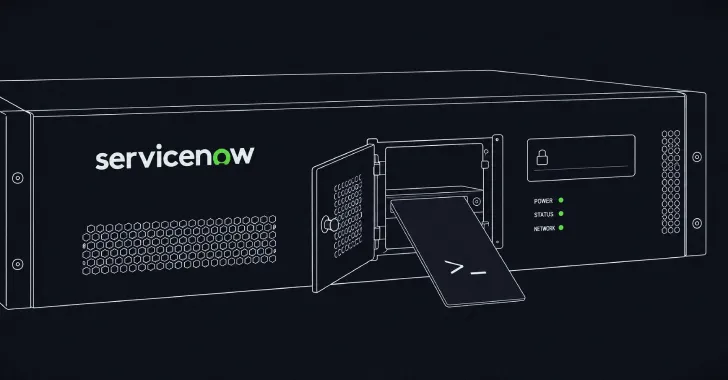
The digital landscape is ever-evolving, and with it, the tools we use to enhance productivity and efficiency. ServiceNow, a prominent player in the IT service management (ITSM) space, has integrated artificial intelligence (AI) into its platform to streamline workflows and improve service delivery. However, a critical vulnerability has recently been exploited, allowing for unauthenticated code execution, raising alarms across industries that rely on this technology. As businesses increasingly integrate AI into their operations, understanding and mitigating these risks becomes paramount.
This incident serves as a stark reminder of the dual-edged nature of technological advancements. While AI can enhance security capabilities, it can also be weaponized to exploit weaknesses in systems. This article delves into the implications of the ServiceNow vulnerability, the broader context of AI in cybersecurity, and actionable steps organizations can take to safeguard their infrastructure.
Understanding the ServiceNow AI Vulnerability
ServiceNow's AI platform offers automated solutions designed to optimize IT service management by predicting issues, automating responses, and improving decision-making. However, the recent exploitation of a flaw in this platform has exposed users to significant risks. Hackers have demonstrated the ability to execute arbitrary code within the system without authentication, potentially allowing them to gain control over sensitive data and operations.
The Scope of the Problem
The vulnerability impacts a wide range of organizations that utilize ServiceNow for their IT operations. Given that ServiceNow is used by many Fortune 500 companies, the stakes are high. Unauthenticated code execution could lead to data breaches, loss of proprietary information, and significant financial repercussions. The potential fallout emphasizes the need for immediate action to patch vulnerabilities and reinforce security protocols.

The Role of AI in Cybersecurity
While this incident has highlighted vulnerabilities in AI platforms, it is essential to recognize the broader context of artificial intelligence in cybersecurity. AI technologies can be harnessed to enhance security measures through:
- Threat Detection: AI can analyze vast amounts of data to identify anomalous behavior that may indicate a security breach.
- Automated Response: AI systems can respond to threats faster than human teams, reducing the window of vulnerability.
- Predictive Analytics: Machine learning models can forecast potential attack vectors based on historical data.
However, the same technologies that bolster defenses can also be turned against organizations. Cybercriminals are leveraging AI tools to automate attacks, identify vulnerabilities, and develop sophisticated phishing schemes. This duality necessitates a proactive approach to security.
Steps to Secure Your Organization
To mitigate risks associated with vulnerabilities like the one recently discovered in ServiceNow, organizations must adopt a multi-layered security strategy. Here are five essential steps to enhance your cybersecurity posture:
1. Conduct Regular Security Audits
Regular audits of your IT infrastructure can help identify weaknesses before they can be exploited. Engage third-party security experts to conduct thorough penetration testing and vulnerability assessments.
2. Implement Patch Management Practices
Establish a robust patch management process to ensure that all software, including third-party applications and platforms, is updated regularly. Timely application of patches can prevent exploitation of known vulnerabilities.
3. Utilize AI for Threat Intelligence
Leverage AI-driven threat intelligence solutions that can provide real-time insights into emerging threats and vulnerabilities. These tools can help organizations stay ahead of potential attacks.
4. Train Employees on Security Best Practices
Human error remains one of the leading causes of security breaches. Regularly train your employees on recognizing phishing attempts, managing passwords, and adhering to security protocols.
5. Develop an Incident Response Plan
Having a comprehensive incident response plan is crucial for minimizing damage in the event of a cyber incident. Ensure that your team knows their roles and responsibilities, and regularly simulate attacks to test the effectiveness of your response.

The Future of AI in Cybersecurity
The intersection of AI and cybersecurity is complex and rapidly evolving. As both technologies advance, organizations must remain vigilant. Continuous investment in cybersecurity measures and employee training is essential to mitigate threats. Furthermore, collaboration with software vendors to ensure timely updates and security patches will be critical in safeguarding sensitive information.
In conclusion, while the recent exploitation of the ServiceNow AI platform serves as a cautionary tale, it also underscores the importance of proactive measures in cybersecurity. Organizations that prioritize security can better navigate the complexities of integrating AI into their operations while minimizing risks.

Key Takeaways
- Recent vulnerabilities in the ServiceNow AI platform pose significant risks to organizations.
- AI can enhance security measures but also be exploited by cybercriminals.
- Implementing a multi-layered security strategy is essential for safeguarding your business.
- Regular training and awareness for employees can reduce the risk of human error.
- Developing an incident response plan is crucial for minimizing damage during a cyber incident.
Frequently Asked Questions
What should organizations do immediately following a vulnerability discovery?
Upon discovering a vulnerability, organizations should prioritize patching the affected systems and conduct a thorough security audit to assess any potential impacts or breaches. Communication with affected stakeholders is also essential to maintain trust and transparency.
How can AI be used to enhance cybersecurity?
AI can be employed in various ways to enhance cybersecurity, including automating threat detection, providing predictive analytics for potential vulnerabilities, and facilitating rapid incident response. By analyzing vast data sets, AI can identify patterns and anomalies that may indicate a breach.
What are some signs that an organization may be vulnerable to cyberattacks?
Some signs of vulnerability include outdated software, lack of employee training on security protocols, and inadequate incident response plans. Organizations should also monitor for unusual network activity, which may indicate a security breach.
How often should organizations conduct security audits?
Organizations should conduct security audits at least annually, but more frequent assessments—such as quarterly—are advisable, especially for companies handling sensitive data or operating in regulated industries.
Comments
OpenAI's Hugging Face Breach: A Wake-Up Call for AI Safety
OpenAI's recent breach of Hugging Face highlights significant risks in AI development and cybersecurity. This incident exposes the vulnerabilities of AI systems and the need for stricter controls and oversight.
Related articles





Popular in Cybersecurity
- Federal Mandate for Autonomous Vehicles: A Call for Safety Compliance
- EU Mandates Google to Share Data and Open AI on Android: What It Means
- GitHub Revamps Bug Bounty Program: Implications for Developers and Security
- Australian Government Disables Thousands of Functional Broadband Routers: A Wasteful Decision
- Exploiting Redis: Understanding Zero-Day Vulnerabilities and Their Mitigation