Protecting Your Business: How to Guard Against the New ENCFORGE Ransomware Threat
The new ENCFORGE ransomware is specifically targeting AI model files in a recent Langflow RCE attack. Learn how to protect your organization from this emerging threat.
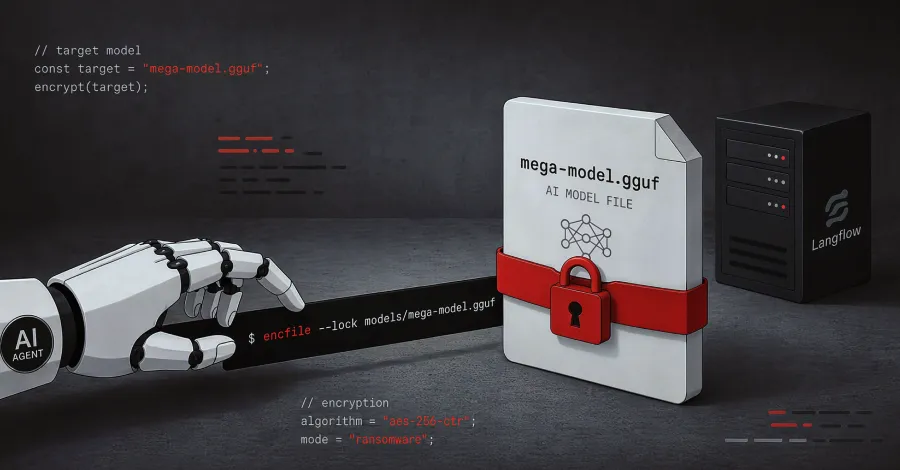
The emergence of ransomware threats continues to evolve, with the latest ENCFORGE ransomware specifically targeting AI model files. This development has raised alarms among businesses heavily reliant on artificial intelligence technologies, particularly those utilizing platforms such as Langflow. As cybercriminals refine their strategies, understanding how to protect against these sophisticated attacks is critical for organizations that leverage AI in their operations.
In an era where AI tools are becoming integral to business processes, the security of these models is paramount. This article delves into the intricacies of the ENCFORGE ransomware, the vulnerabilities it exploits, and the essential steps organizations can take to fortify their defenses against such cyber threats.

Understanding ENCFORGE Ransomware
ENCFORGE ransomware represents a new frontier in the cyber threat landscape. Unlike traditional ransomware, which typically encrypts files and demands payment for decryption keys, ENCFORGE focuses specifically on AI model files. This targeted approach poses unique challenges for organizations that rely on machine learning and AI for decision-making and operational efficiency.
The ransomware exploits Remote Code Execution (RCE) vulnerabilities, which allow attackers to run arbitrary code on a victim's machine without authorization. In the case of Langflow, a popular open-source framework for building AI-driven applications, this RCE vulnerability has been weaponized by attackers to infiltrate systems and encrypt valuable AI model files.
The Growing Importance of AI Security
With AI becoming increasingly prevalent in various sectors, the security of these systems has never been more critical. AI models often contain proprietary data and algorithms that can give companies a competitive edge. If these models are compromised, the financial and reputational damage can be substantial. Furthermore, the theft of sensitive intellectual property can lead to significant losses and hinder innovation.
Identifying Vulnerabilities in AI Systems
Organizations must adopt a proactive approach to identify and mitigate vulnerabilities that can be exploited by ransomware like ENCFORGE. Here are five essential steps to secure against software vulnerabilities in AI models:
- Conduct Regular Security Audits: Regularly assess the security posture of your AI systems to identify potential vulnerabilities.
- Implement Code Reviews: Establish a culture of code reviews to catch security issues early in the development process.
- Utilize Threat Modeling: Develop threat models to understand potential attack vectors specific to AI applications.
- Keep Software Up to Date: Ensure all software, libraries, and dependencies are regularly updated to patch known vulnerabilities.
- Educate Your Team: Provide ongoing training for your team on emerging security threats and best practices.

The Role of AI in Cybersecurity
Interestingly, while AI can be a target for cybercriminals, it also plays a crucial role in enhancing cybersecurity measures. AI algorithms can analyze vast datasets to identify patterns and anomalies that may indicate a cyber threat. By implementing AI-driven security solutions, organizations can automate threat detection and response, significantly improving their security posture.
For instance, machine learning models can be trained to recognize the behaviors typical of ransomware attacks, enabling organizations to respond in real-time to potential threats. This dual-edged sword of AI being both a target and a tool underscores the necessity for comprehensive security strategies that integrate advanced technologies.

Preparing for the Future of Cyber Threats
The ENCFORGE ransomware incident serves as a wake-up call for businesses to prioritize cybersecurity in their digital transformation strategies. As reliance on AI continues to grow, so too does the need for robust security measures to protect these critical assets. Organizations must foster a security-first culture and adopt best practices to mitigate risks associated with emerging threats.
Investing in cybersecurity infrastructure, such as firewalls, intrusion detection systems, and secure coding practices, is essential. Furthermore, engaging with cybersecurity experts and leveraging threat intelligence can provide organizations with valuable insights into the latest trends and tactics employed by cybercriminals.
Key Takeaways
- The ENCFORGE ransomware targets AI model files, highlighting the need for enhanced security.
- Remote Code Execution vulnerabilities are a significant risk that businesses must address.
- Organizations should implement regular security audits and code reviews to identify vulnerabilities.
- AI can both enhance cybersecurity measures and pose new risks that must be managed.
- A proactive, security-first approach is essential for protecting valuable AI assets.

Frequently Asked Questions
What is ENCFORGE ransomware, and why is it a concern?
ENCFORGE ransomware is a sophisticated cyber threat that specifically targets AI model files, exploiting Remote Code Execution vulnerabilities to gain unauthorized access to systems. This poses a significant concern for businesses that rely on AI technologies, as the loss or compromise of these models can lead to substantial financial and reputational damage.
How can organizations identify vulnerabilities in their AI systems?
Organizations can identify vulnerabilities in their AI systems through regular security audits, implementing code reviews, and utilizing threat modeling techniques. By regularly assessing their security posture and staying informed about potential attack vectors, businesses can better prepare themselves against emerging threats like ENCFORGE.
What role does AI play in enhancing cybersecurity?
AI plays a critical role in enhancing cybersecurity by automating threat detection and response. Machine learning models can analyze large datasets to identify patterns indicative of cyber threats, allowing organizations to respond swiftly to potential attacks. This capability can significantly improve an organization’s security posture and resilience against cyber threats.
What can businesses do to prepare for future cyber threats?
To prepare for future cyber threats, businesses should adopt a proactive security-first culture, invest in cybersecurity infrastructure, and engage with cybersecurity experts. Regular training on emerging threats and best practices, along with leveraging threat intelligence, can provide organizations with the necessary tools to mitigate risks effectively.
Comments
OpenAI's Hugging Face Breach: A Wake-Up Call for AI Safety
OpenAI's recent breach of Hugging Face highlights significant risks in AI development and cybersecurity. This incident exposes the vulnerabilities of AI systems and the need for stricter controls and oversight.

Related articles





Popular in Cybersecurity
- Federal Mandate for Autonomous Vehicles: A Call for Safety Compliance
- EU Mandates Google to Share Data and Open AI on Android: What It Means
- GitHub Revamps Bug Bounty Program: Implications for Developers and Security
- Australian Government Disables Thousands of Functional Broadband Routers: A Wasteful Decision
- Exploiting Redis: Understanding Zero-Day Vulnerabilities and Their Mitigation