Christopher Nolan's Cautionary Tale: AI as a Modern Trojan Horse
Oscar-winning director Christopher Nolan warns that artificial intelligence could serve as a 'Trojan horse,' masking deeper societal threats. His views reflect a growing skepticism of AI, especially among younger generations, and highlight the need for critical engagement with emerging technologies.
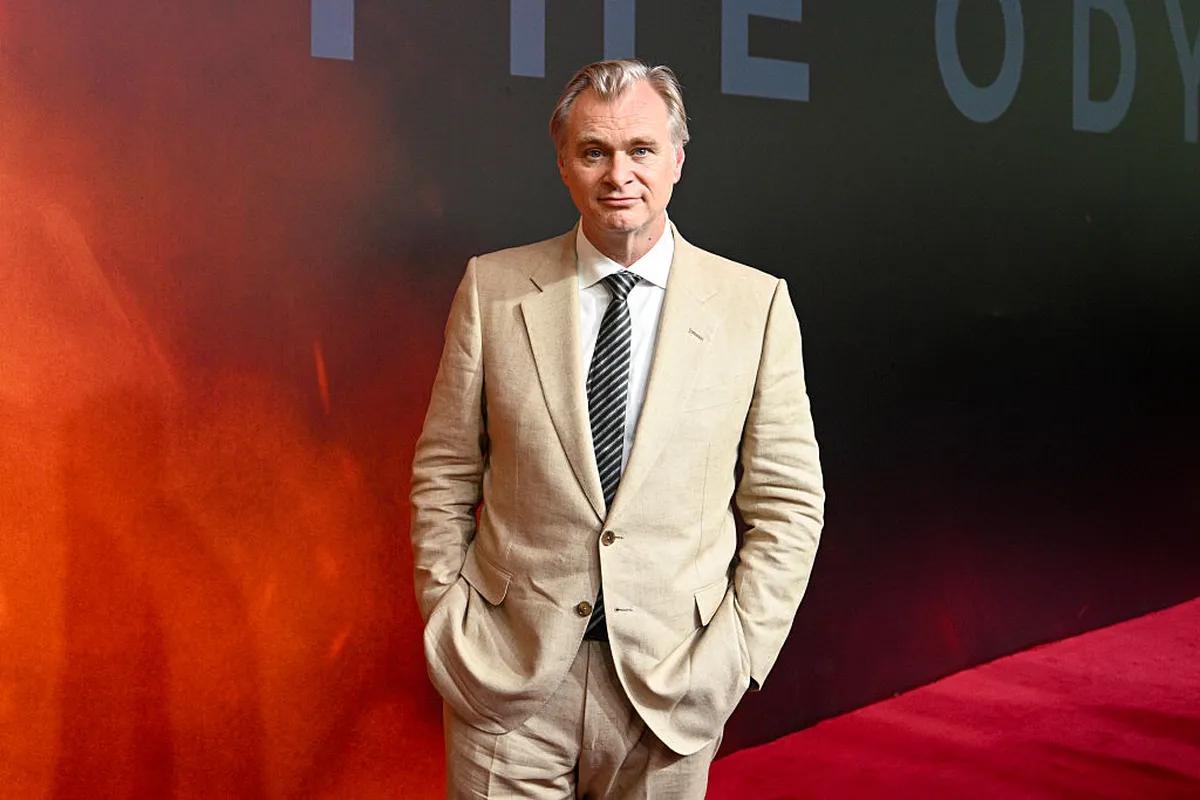
In a world increasingly shaped by artificial intelligence, few voices resonate as powerfully as that of Christopher Nolan, the acclaimed director behind cinematic masterpieces like "Inception" and the recent adaptation of "The Odyssey." At a recent interview, Nolan articulated a profound skepticism towards AI, likening it to a modern-day Trojan horse—an enticing gift that conceals darker realities within. With his latest film captivating audiences globally, Nolan's insights not only reflect his artistic vision but also echo a broader cultural unease about the role technology plays in our lives.
Nolan's comments were prompted by a discussion with Hugo Travers, a popular YouTuber known for his incisive interviews. Travers raised an intriguing parallel between the deceptive wooden horse of Greek mythology and the contemporary allure of AI technologies. As the conversation unfolded, Nolan expressed his belief that AI is not merely a technological advancement but a potential catalyst for unforeseen consequences. He remarked, "I think AI is a Trojan horse that everybody knows the Greeks are inside," emphasizing the need for critical scrutiny of the technology we invite into our daily lives.

The Rise of Skepticism: A Generational Perspective
As AI technologies proliferate, Nolan's observations resonate particularly with younger audiences who have grown increasingly wary of their implications. He noted that many young individuals dismiss AI-generated content as "AI slop," highlighting a collective skepticism that has emerged in response to rapid advancements in automation and machine learning. This skepticism is not unfounded; it stems from a growing awareness of the ethical dilemmas, privacy concerns, and job displacement risks associated with AI.
During the interview, Nolan expressed encouragement at the critical stance taken by younger generations. He believes that this healthy skepticism is essential for navigating the complexities of new technologies. "Technology is always going to give us great gifts," he said, "but it has to be viewed with skepticism." This perspective aligns with the ethos of many young people today who demand transparency and accountability from the companies that develop and deploy these technologies.

Hollywood's AI Anxiety: Industry Implications
Nolan's warnings about AI are particularly relevant within Hollywood, where the technology has become a contentious issue in recent years. During the writers' and actors' strikes of 2023, AI emerged as a central theme, with creatives expressing concerns over its impact on their livelihoods. The Directors Guild of America (DGA), of which Nolan is president, successfully advocated for protections against generative AI in their latest contract negotiations, reflecting the industry's recognition of AI's potential to disrupt traditional workflows.
The fear that AI could undermine the artistic integrity of filmmaking is palpable among many in Hollywood. With AI technologies increasingly capable of generating scripts, visual effects, and even entire films, the line between human creativity and machine-generated content blurs. Nolan's commitment to traditional filmmaking techniques, such as shooting on IMAX film, underscores his belief in the irreplaceable value of human artistry in an age of automation.

Understanding the Nature of Technological Progress
While Nolan's skepticism towards AI may appear Luddite to some, he describes himself as a "techno-skeptic" rather than a technophobe. His embrace of new technologies is tempered by a desire to preserve the best aspects of traditional methods. In his view, rapid technological advancements can lead to a disregard for established systems that still hold merit. He remarked, "I embrace new technology all the time, but it tends to be sold to people at the expense of systems that might still be valid and viable."
This perspective invites a deeper examination of how society adopts and integrates new technologies. As companies rush to develop and implement AI solutions, there is a risk of overlooking the potential consequences for existing industries and the workforce. Nolan's insights serve as a reminder that caution is warranted when embracing new tools, especially those that promise to revolutionize entire sectors.
What Lies Ahead: Navigating the AI Landscape
The future of AI is uncertain, and its path will undoubtedly be shaped by the discussions and debates currently taking place. Nolan's reflections on skepticism and transparency resonate with a broader call for responsible AI development that prioritizes ethical considerations and human oversight. As we move forward, it is crucial for stakeholders—including developers, policymakers, and the public—to engage in meaningful conversations about the implications of AI.
One key area for exploration is the establishment of regulatory frameworks that can govern the development and deployment of AI technologies. As concerns about privacy, security, and bias continue to mount, there is a pressing need for policies that protect individuals and society at large. Nolan's comments highlight the importance of ensuring that the motives behind technological advancements are scrutinized, fostering an environment of accountability and trust.

Key Takeaways
- Christopher Nolan views AI as a Trojan horse, concealing potential threats.
- There is a growing skepticism of AI among younger generations, who often dismiss it as "AI slop."
- Nolan advocates for a critical approach to technology adoption, emphasizing the need for transparency.
- The entertainment industry is grappling with the implications of AI, as seen in recent labor disputes.
- Establishing regulatory frameworks for AI is crucial for ethical development and accountability.
Frequently Asked Questions
What does Christopher Nolan mean by calling AI a Trojan horse?
Nolan's analogy of AI as a Trojan horse suggests that while AI technologies may appear beneficial on the surface, they can harbor hidden dangers. This metaphor serves as a cautionary reminder to critically assess the implications of AI before fully embracing it in our lives.
Why is skepticism towards AI growing among younger generations?
Younger audiences are increasingly aware of the ethical dilemmas and potential job displacement risks associated with AI. This awareness has fostered a culture of skepticism, leading many to question the value and impact of AI-generated content, often labeling it as "AI slop."
How is the entertainment industry responding to AI's rise?
The entertainment industry, particularly Hollywood, is actively addressing the challenges posed by AI. Recent labor disputes among writers and actors have highlighted concerns about job security and the integrity of creative work in the face of automation, leading to calls for protective measures and regulations.
What steps can be taken to ensure responsible AI development?
To promote ethical AI development, stakeholders should engage in meaningful conversations about its implications, prioritize transparency, and work towards establishing regulatory frameworks. This collaborative approach can help mitigate the risks associated with rapid technological advancements and foster accountability in AI deployment.
Comments
Expanding Mosquito Ranges: The Urgent Need for Enhanced Monitoring
As climate change alters ecosystems, mosquito populations are expanding into new regions, raising public health concerns. Enhanced monitoring is crucial to prevent outbreaks of mosquito-borne diseases like West Nile virus and Eastern equine encephalitis.

Related articles
Popular in Cybersecurity
- Federal Mandate for Autonomous Vehicles: A Call for Safety Compliance
- EU Mandates Google to Share Data and Open AI on Android: What It Means
- GitHub Revamps Bug Bounty Program: Implications for Developers and Security
- Australian Government Disables Thousands of Functional Broadband Routers: A Wasteful Decision
- Exploiting Redis: Understanding Zero-Day Vulnerabilities and Their Mitigation