Waymo Resumes San Francisco Robotaxi Service After Power Outage
Waymo's robotaxi service in San Francisco has resumed after a brief pause due to a power outage affecting thousands. The incident highlights the challenges autonomous vehicles face in urban settings.
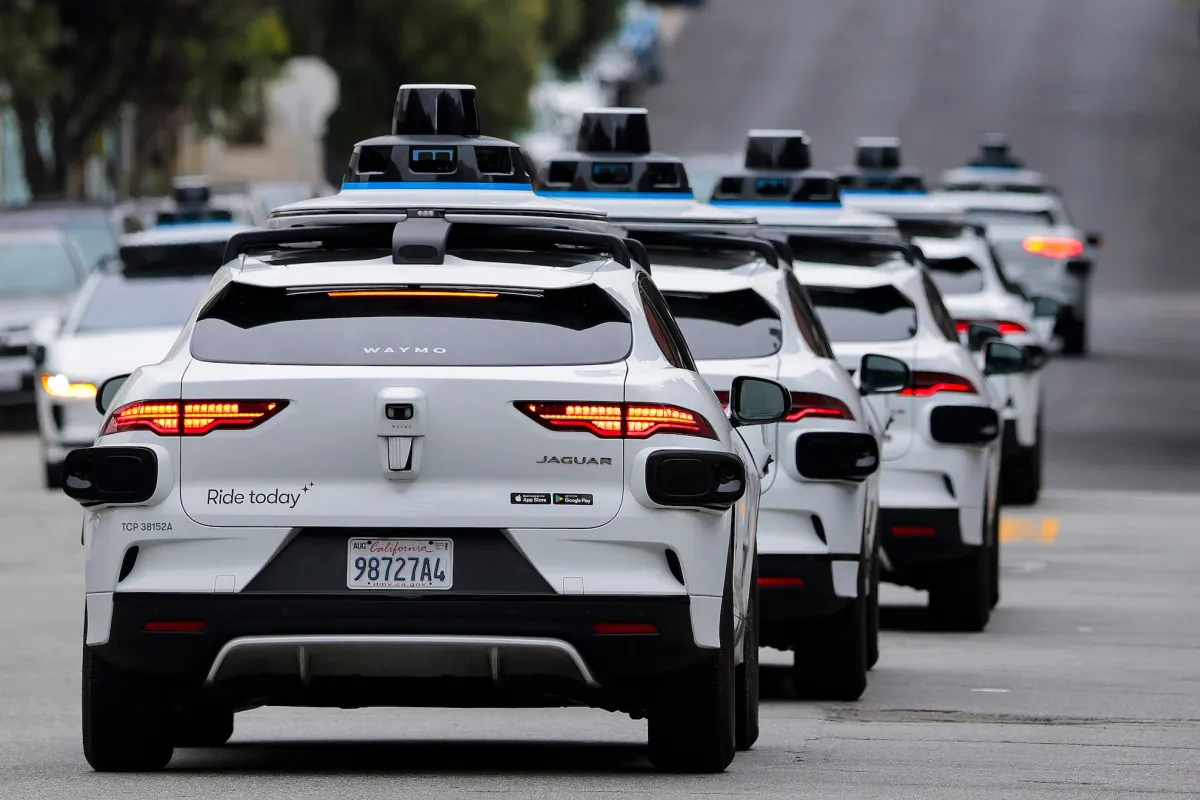
Waymo, the autonomous vehicle subsidiary of Alphabet, recently faced interruptions in its robotaxi service in San Francisco due to a significant power outage that impacted approximately 7,000 customers of Pacific Gas and Electric (PG&E). The outage, which triggered a temporary pause in operations, brings to the forefront the vulnerabilities of autonomous vehicle services in urban environments. During the one-hour service suspension, Waymo communicated via social media that it would be temporarily halting operations while assessing the situation and coordinating with local officials.
The incident underscores the ongoing challenges that self-driving technology companies like Waymo encounter as they integrate their services into bustling urban environments. While the company has since resumed normal operations, the power outage raises important questions about the resilience and reliability of autonomous vehicle systems during unforeseen circumstances.
Understanding the Incident: What Happened?
The power outage in San Francisco was reported to have affected a broad area, prompting Waymo to act swiftly to ensure the safety of its passengers and the integrity of its operations. According to a spokesperson from Waymo, the decision to pause service was made to assess the scale of the power outage and its potential impact on their fleet. Historically, such outages have posed significant challenges for autonomous systems, as they can lead to unexpected vehicle behavior, including stalling or erratic driving patterns.
Previous Challenges with Power Outages
This is not the first instance where Waymo's services have been disrupted by power outages. There have been previous incidents, including:
- A blackout in December, which resulted in multiple Waymo vehicles stalling on city streets.
- An incident during a Fourth of July fireworks show that paralyzed traffic and raised questions about how autonomous vehicles should respond to emergency situations.
These events illustrate that while autonomous vehicles are designed to operate safely, they are not immune to the same external factors that affect all vehicles, potentially endangering passengers and other road users.

The Implications for Autonomous Vehicle Operations
Waymo's experience highlights broader implications for the field of autonomous vehicles, especially regarding regulatory frameworks and emergency response protocols. San Francisco Mayor Daniel Lurie has called for stricter state regulations to ensure that companies like Waymo can effectively handle major incidents, both planned and unplanned. This raises a critical question: how should autonomous vehicles be programmed to respond in emergencies?
Regulatory Considerations
The call for more robust regulations reflects a growing concern among city officials and the public about the safety and reliability of self-driving technology. Autonomous vehicles must not only be capable of navigating standard driving conditions but also be equipped to handle unexpected scenarios, such as power outages or natural disasters. This could involve:
- Implementing fail-safes that allow vehicles to safely pull to the side of the road when systems fail.
- Establishing communication protocols with local authorities to receive real-time updates on city conditions.
- Designing vehicles that can operate effectively even with partial system failures.
Regulatory bodies may need to step up their oversight to ensure that these technologies meet safety standards that account for such unpredictable incidents.
Public Perception and Trust in Self-Driving Technology
Public trust in autonomous vehicle technology is crucial for its widespread adoption. Incidents like the recent power outage can erode consumer confidence, especially if they raise safety concerns. For Waymo and similar companies, maintaining open communication with users during disruptions is vital. The company’s prompt response to the outage demonstrates its commitment to transparency and safety.
Building User Confidence
To foster trust among potential riders, companies can take several steps:
- Regularly update customers about service status and any disruptions.
- Provide clear information on how vehicles are designed to handle emergencies.
- Engage with the community through educational programs about autonomous technology.
By addressing public concerns head-on, companies can help mitigate fears associated with using self-driving vehicles and encourage more widespread acceptance.
Future Outlook for Waymo and Autonomous Vehicles
Looking ahead, the future of Waymo and other autonomous vehicle services will heavily depend on how well they adapt to urban challenges. As cities continue to evolve and technology advances, the integration of self-driving cars into the transportation landscape will require ongoing collaboration between technology providers, regulatory bodies, and the communities they serve.
Navigating Urban Challenges
Waymo and its competitors will need to enhance their systems to mitigate risks associated with urban driving, including:
- Improving sensors and data processing capabilities to respond to real-time environmental changes.
- Developing comprehensive emergency protocols that encompass a variety of potential disruptions.
- Investing in public relations strategies that promote the benefits of autonomous vehicles alongside safety measures.
As these technologies advance, they hold the potential to revolutionize urban transportation, but only if they can reliably operate amidst the complexities of city life.
Key Takeaways
- Waymo’s service in San Francisco was paused due to a significant power outage affecting 7,000 customers.
- The incident raises questions about the resilience of autonomous vehicle systems during emergencies.
- There is a call for stricter regulations to ensure safer operations of autonomous vehicles in urban settings.
- Building public trust is essential for the adoption of self-driving technology.
Frequently Asked Questions
What caused Waymo to pause its service in San Francisco?
Waymo temporarily paused its robotaxi service due to a power outage that affected thousands of PG&E customers in San Francisco. The company made this decision to assess the situation and ensure the safety of its riders, coordinating with local officials during this time.
How do power outages affect autonomous vehicles?
Power outages can disrupt the normal functioning of autonomous vehicles, leading to issues such as stalling or erratic behavior. This can create safety risks not only for passengers but also for other road users, necessitating robust emergency protocols and systems to handle such scenarios.
What steps are being taken to improve the safety of autonomous vehicles during emergencies?
To enhance safety, there is a growing demand for more stringent regulations that address how autonomous vehicles should operate during emergencies. This includes developing fail-safes, improving communication with local authorities, and ensuring vehicles can handle partial system failures effectively.
How can companies build public trust in autonomous vehicle technology?
Building public trust involves transparent communication about service disruptions, educating the community on the benefits and safety measures of autonomous technology, and actively engaging with users to address their concerns. Companies like Waymo can improve confidence in their services by demonstrating commitment to safety and reliability.
Comments
Christopher Nolan's Cautionary Tale: AI as a Modern Trojan Horse
Oscar-winning director Christopher Nolan warns that artificial intelligence could serve as a 'Trojan horse,' masking deeper societal threats. His views reflect a growing skepticism of AI, especially among younger generations, and highlight the need for critical engagement with emerging technologies.

Related articles






Popular in Cybersecurity
- Federal Mandate for Autonomous Vehicles: A Call for Safety Compliance
- EU Mandates Google to Share Data and Open AI on Android: What It Means
- GitHub Revamps Bug Bounty Program: Implications for Developers and Security
- Australian Government Disables Thousands of Functional Broadband Routers: A Wasteful Decision
- Exploiting Redis: Understanding Zero-Day Vulnerabilities and Their Mitigation