Expanding Mosquito Ranges: The Urgent Need for Enhanced Monitoring
As climate change alters ecosystems, mosquito populations are expanding into new regions, raising public health concerns. Enhanced monitoring is crucial to prevent outbreaks of mosquito-borne diseases like West Nile virus and Eastern equine encephalitis.
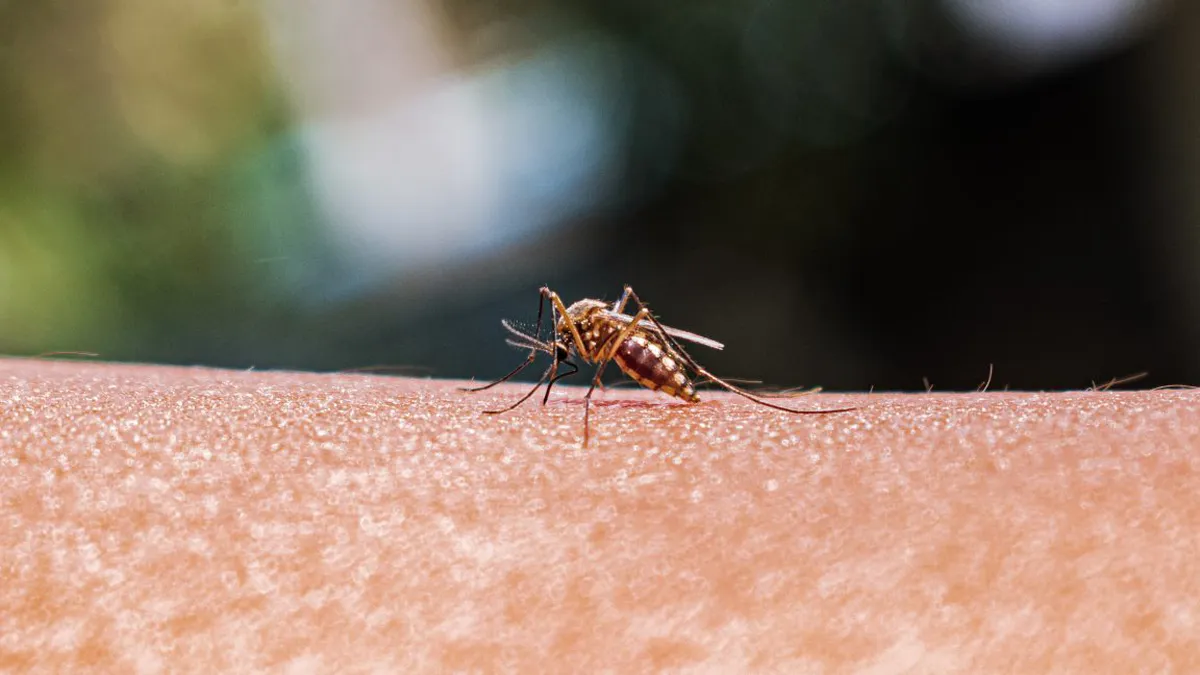
As the summer sun replaces the chill of winter, outdoor activities beckon families and friends to parks, beaches, and backyards. However, along with the joys of summer comes the unwelcome presence of mosquitoes. These buzzing nuisances are not just a seasonal annoyance; they are harbingers of serious public health threats. Recent climate trends have led to the expansion of mosquito populations into historically temperate areas, such as New England, raising alarms among public health officials. This shift is not merely a matter of discomfort; it opens the door to an array of mosquito-borne diseases that could become endemic in regions ill-prepared for their arrival.
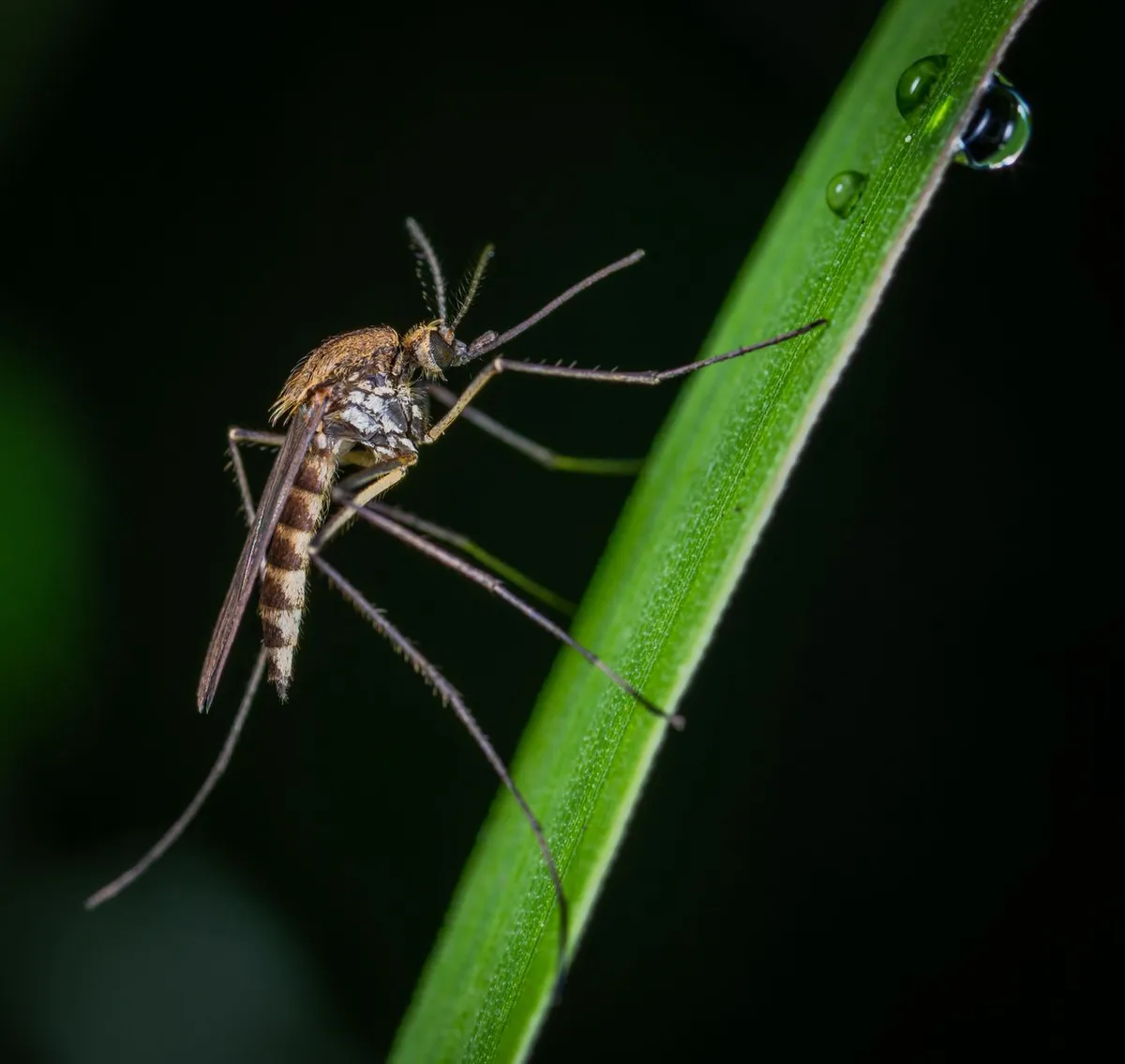
The changing climate is reshaping the habitats and behaviors of mosquitoes, allowing species like the Asian tiger mosquito to venture further north than ever before. This particular species is notorious for transmitting diseases such as dengue and Zika. With its historical range limited to warmer climates, its migration into states like Connecticut exemplifies how climate change is altering the landscape of public health risks. Philip Armstrong, chief scientist at the Connecticut Agricultural Experiment Station, emphasizes the importance of mosquito monitoring, stating, "You really do have to test the mosquitoes to know where the hot spots are for these viruses." Indeed, by the time human cases are reported, it is often too late to implement preventive measures.
The Landscape of Mosquito Monitoring in the U.S.
Currently, the United States has a patchwork system of more than 1,000 mosquito control agencies, predominantly run at local levels. This fragmented approach results in inconsistencies in monitoring practices and prevention efforts. Many states lack comprehensive programs, leading to what Dan Markowski of the American Mosquito Control Association describes as a “sparse and disintegrated” system. The need for a national surveillance database to collect and share information on mosquito populations and diseases is critical. However, funding remains a significant barrier to achieving effective monitoring.
Each year, agencies across the country face the daunting task of monitoring mosquito populations to prevent outbreaks of diseases such as West Nile virus, which has become the leading cause of mosquito-borne diseases in the Northeast. Since its arrival in the U.S. in 1999, West Nile virus has been responsible for over 3,300 deaths. Connecticut has already reported positive tests for West Nile this season, underscoring the urgency of effective monitoring.

The Challenges of Effective Surveillance
Implementing mosquito monitoring programs is labor-intensive and costly. Trapping mosquitoes requires teams to set and check traps regularly, often utilizing specialized techniques such as dry ice to attract them. In rural areas, logistical challenges arise, as resources like dry ice can be hard to obtain. Communities often struggle with communication and data sharing, which can lead to critical gaps in surveillance efforts. Brian Leydet, who specializes in mosquito- and tick-borne diseases, points out that many counties operate in isolation, complicating efforts to respond to outbreaks effectively.
Furthermore, many counties may lack the necessary funding or resources to sustain their monitoring programs. Leydet notes, “If the county doesn’t have money or resources, these programs fade away.” Without proper surveillance in place, communities are left to react to outbreaks rather than prevent them.
Legislative Efforts for Comprehensive Monitoring
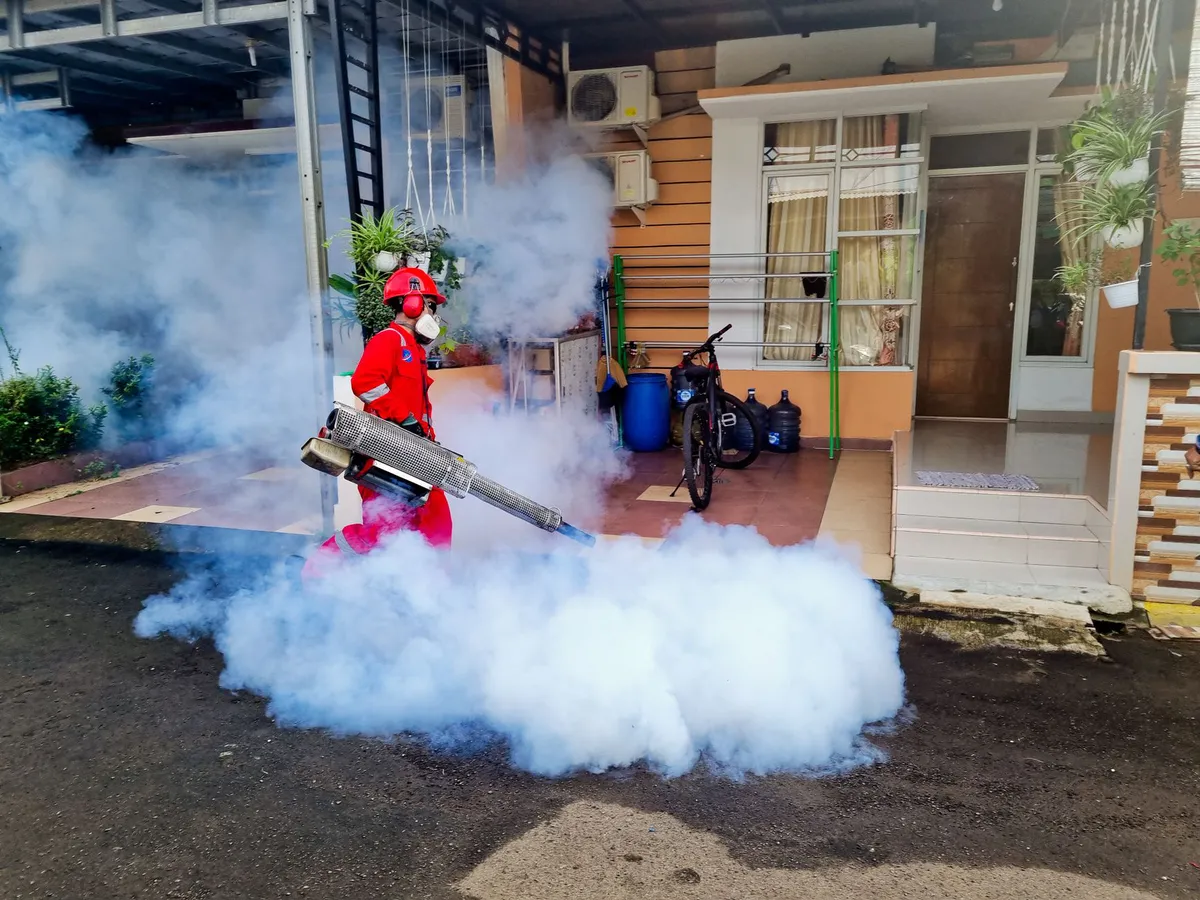
Recognizing the need for a more coordinated approach, New York State has introduced legislation aimed at establishing a comprehensive mosquito surveillance program. This initiative seeks to unify the disparate monitoring efforts across counties, enabling public health officials to respond proactively to potential outbreaks. Proactive measures can include eliminating standing water, applying targeted larvicides, and encouraging the public to use insect repellent. However, outbreaks may necessitate widespread pesticide spraying, which poses its own set of challenges.
Despite the general interest in these programs, funding often becomes a stumbling block. The costs associated with comprehensive mosquito monitoring can deter organizations from pursuing these essential initiatives. Leydet acknowledges that even minimal funding can make a significant difference, stating, “Any help is better than nothing.”
The Impact of Climate Change on Mosquito-Borne Diseases
Climate change is not only expanding the range of mosquitoes but also lengthening the transmission season and altering predator populations. As temperatures rise, the lifecycle of mosquitoes accelerates, allowing for multiple breeding cycles in a single season. Researchers predict that tropical diseases like malaria, Zika, and chikungunya may become established in temperate regions due to these climatic shifts.
Environmental changes also affect the viruses and their original hosts, leading to complex ecological shifts that complicate monitoring efforts. Leydet highlights that understanding these changes requires comprehensive data collection and analysis, underscoring the need for improved surveillance systems. The evolving landscape of mosquito-borne diseases necessitates a proactive, coordinated response from public health officials, researchers, and policymakers alike.

Key Takeaways
- Climate Change Impact: Mosquito ranges are expanding into new territories, increasing the risk of diseases.
- Need for Monitoring: Effective mosquito monitoring programs are crucial for early detection and prevention of outbreaks.
- Funding Challenges: Many local programs lack the necessary funding and resources to operate effectively.
- Legislative Initiatives: New efforts in states like New York aim to unify and strengthen mosquito surveillance.
- Public Awareness: Educating the public on prevention measures is essential to mitigate mosquito-borne disease risks.
Frequently Asked Questions
Why are mosquitoes becoming a problem in northern states?
As climate change leads to warmer and wetter conditions, mosquito species that traditionally thrived in hotter climates are migrating northward. This expansion increases the risk of mosquito-borne diseases in areas that previously had minimal exposure to them. Increased temperatures also lengthen the breeding season, allowing for more mosquito cycles within a year.
What is the role of monitoring in preventing mosquito-borne diseases?
Monitoring programs help public health officials identify mosquito populations, track disease transmission, and implement preventive measures. By testing mosquito populations for harmful viruses, officials can pinpoint hotspots and respond before human cases arise, ultimately minimizing the impact of outbreaks.
What challenges do local mosquito control programs face?
Local mosquito control programs often encounter a range of challenges, including insufficient funding, lack of resources, and fragmented communication between counties. These issues can hinder effective monitoring and response efforts, making it difficult to manage mosquito populations and the diseases they carry.
What can individuals do to protect themselves from mosquito bites?
Individuals can take several proactive measures to protect themselves from mosquito bites, such as using insect repellent, wearing long sleeves and pants, and eliminating standing water around their homes to reduce breeding sites. Staying informed about local mosquito activity and following public health advisories can also help mitigate risks.
Comments
Christopher Nolan's Cautionary Tale: AI as a Modern Trojan Horse
Oscar-winning director Christopher Nolan warns that artificial intelligence could serve as a 'Trojan horse,' masking deeper societal threats. His views reflect a growing skepticism of AI, especially among younger generations, and highlight the need for critical engagement with emerging technologies.

Related articles







Popular in Cybersecurity
- Federal Mandate for Autonomous Vehicles: A Call for Safety Compliance
- EU Mandates Google to Share Data and Open AI on Android: What It Means
- GitHub Revamps Bug Bounty Program: Implications for Developers and Security
- Australian Government Disables Thousands of Functional Broadband Routers: A Wasteful Decision
- Exploiting Redis: Understanding Zero-Day Vulnerabilities and Their Mitigation