Securing WordPress: Addressing the New wp2shell Vulnerability
A critical vulnerability in WordPress has been exposed, allowing unauthorized code execution. Learn how to protect your site from this and similar threats.
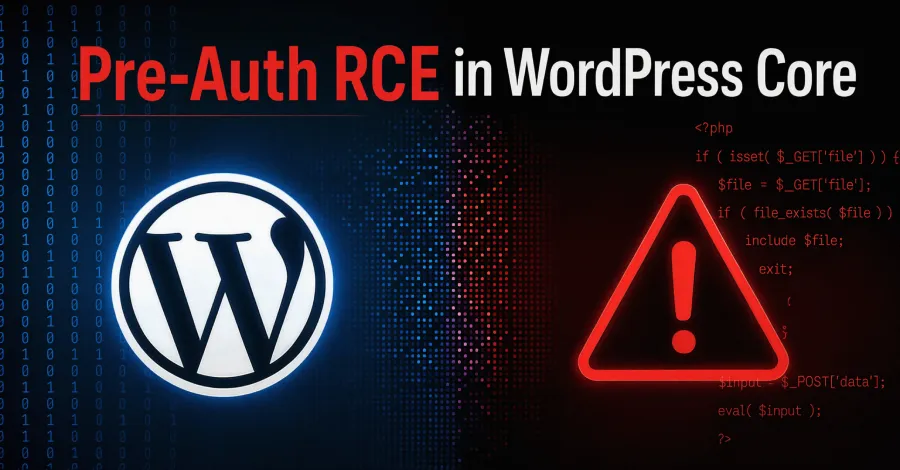
In the ever-evolving landscape of cybersecurity threats, WordPress users have recently been alerted to a significant vulnerability, known as wp2shell. This flaw allows unauthenticated attackers to execute arbitrary code on affected WordPress installations, potentially leading to catastrophic consequences for website owners and their users. With WordPress powering over 40% of websites globally, the implications of this vulnerability are profound, as it could affect millions of sites that rely on this popular content management system (CMS).
The wp2shell vulnerability is particularly alarming due to its ease of exploitation. Attackers can leverage this flaw to gain unauthorized access to sensitive data, disrupt services, or even take complete control of a WordPress site. As cybercriminals continually refine their tactics, it is imperative for website administrators and owners to understand the risks associated with such vulnerabilities and take proactive measures to fortify their defenses.
Understanding the wp2shell Vulnerability
The wp2shell vulnerability arises from a flaw in the WordPress core that fails to properly validate user permissions, allowing unauthorized users to execute code. Specifically, this vulnerability can be exploited through specially crafted requests that bypass standard authentication mechanisms. Once an attacker successfully executes code, they can perform various malicious actions, including installing malware, stealing user data, or launching attacks on other connected systems.
Who is Affected?
This vulnerability is particularly concerning for small businesses, e-commerce platforms, and individual bloggers who may lack the resources or expertise to manage cybersecurity risks effectively. Given that many WordPress users do not routinely update their installations or plugins, the risk of being compromised increases significantly. Moreover, since this vulnerability can be exploited without user authentication, even those who believe their sites are secure may be at risk.
Consequences of Ignoring Vulnerabilities
The potential consequences of ignoring vulnerabilities like wp2shell can be dire. Compromised websites can lead to significant financial losses, irreparable damage to a brand's reputation, and legal liabilities, particularly if sensitive user data is exposed. Moreover, search engines may penalize affected sites, resulting in decreased traffic and visibility. For businesses that rely on online presence, this can be catastrophic.
The Financial Impact
It's essential to grasp the financial implications of a security breach. According to a report by IBM, the average cost of a data breach in 2022 was approximately $4.35 million. For small businesses, losing customer trust and facing potential lawsuits can be even more detrimental. Thus, investing in cybersecurity measures should be viewed as an essential business expense rather than an optional one.

Five Steps to Secure Your WordPress Site
As the wp2shell vulnerability highlights the importance of robust security practices, there are several proactive steps that website owners can take to protect their WordPress installations:
- Regular Updates: Keep your WordPress core, themes, and plugins up to date to patch known vulnerabilities.
- Implement Strong Passwords: Use complex passwords and consider implementing two-factor authentication (2FA) to enhance login security.
- Limit User Access: Only grant administrative access to trusted users and regularly review user permissions.
- Backup Regularly: Regularly backup your site to ensure you can quickly restore it in case of a breach.
- Utilize Security Plugins: Consider using reputable security plugins to monitor your site for vulnerabilities and attacks.
The Role of AI in Cybersecurity
As organizations increasingly turn to artificial intelligence (AI) to bolster their cybersecurity defenses, it's essential to understand how these technologies can mitigate risks associated with vulnerabilities like wp2shell. AI can analyze vast amounts of data to identify unusual patterns, detect potential threats in real-time, and automate responses to security incidents.
AI-Powered Threat Detection
AI-driven security tools can significantly enhance the detection and prevention of cyberattacks. For instance, machine learning algorithms can identify anomalies in user behavior, flagging potential breaches before they escalate. Additionally, AI can assist in automating routine security tasks, allowing IT teams to focus on more strategic initiatives.
Key Takeaways
- The wp2shell vulnerability exposes WordPress sites to unauthorized code execution, affecting millions of users.
- Ignoring security vulnerabilities can lead to significant financial and reputational damage.
- Implementing best practices, such as regular updates and strong passwords, is crucial for website security.
- AI technologies can enhance threat detection and response capabilities, providing an additional layer of protection.
Frequently Asked Questions
What should I do if my WordPress site is compromised?
If you suspect your WordPress site has been compromised, immediately take it offline to prevent further damage. Restore your site from a recent backup, change all passwords, and investigate the breach to understand how it occurred. It’s also advisable to consult cybersecurity professionals to assist in the recovery process and to prevent future incidents.
How often should I update my WordPress site?
WordPress recommends updating your site regularly, ideally as soon as new updates are available. Regular updates not only patch known vulnerabilities but also enhance the overall performance of your site. Set reminders to check for updates at least once a month to stay on top of this crucial aspect of site maintenance.
Are security plugins necessary for WordPress sites?
While security plugins are not mandatory, they are highly recommended for adding an extra layer of protection. Security plugins can help monitor your site for vulnerabilities, block malicious traffic, and provide additional features like firewalls and malware scanning. Choosing a reputable security plugin can significantly enhance your site's defenses.
Comments
Christopher Nolan's Cautionary Tale: AI as a Modern Trojan Horse
Oscar-winning director Christopher Nolan warns that artificial intelligence could serve as a 'Trojan horse,' masking deeper societal threats. His views reflect a growing skepticism of AI, especially among younger generations, and highlight the need for critical engagement with emerging technologies.

Related articles





Popular in Cybersecurity
- Federal Mandate for Autonomous Vehicles: A Call for Safety Compliance
- EU Mandates Google to Share Data and Open AI on Android: What It Means
- GitHub Revamps Bug Bounty Program: Implications for Developers and Security
- Australian Government Disables Thousands of Functional Broadband Routers: A Wasteful Decision
- Exploiting Redis: Understanding Zero-Day Vulnerabilities and Their Mitigation