FCC Moves to Repeal TV Ownership Cap: Implications and Controversies
The FCC's proposal to repeal the 39% TV ownership cap raises questions about media consolidation, community reporting, and regulatory authority. This article explores the implications of this significant move.
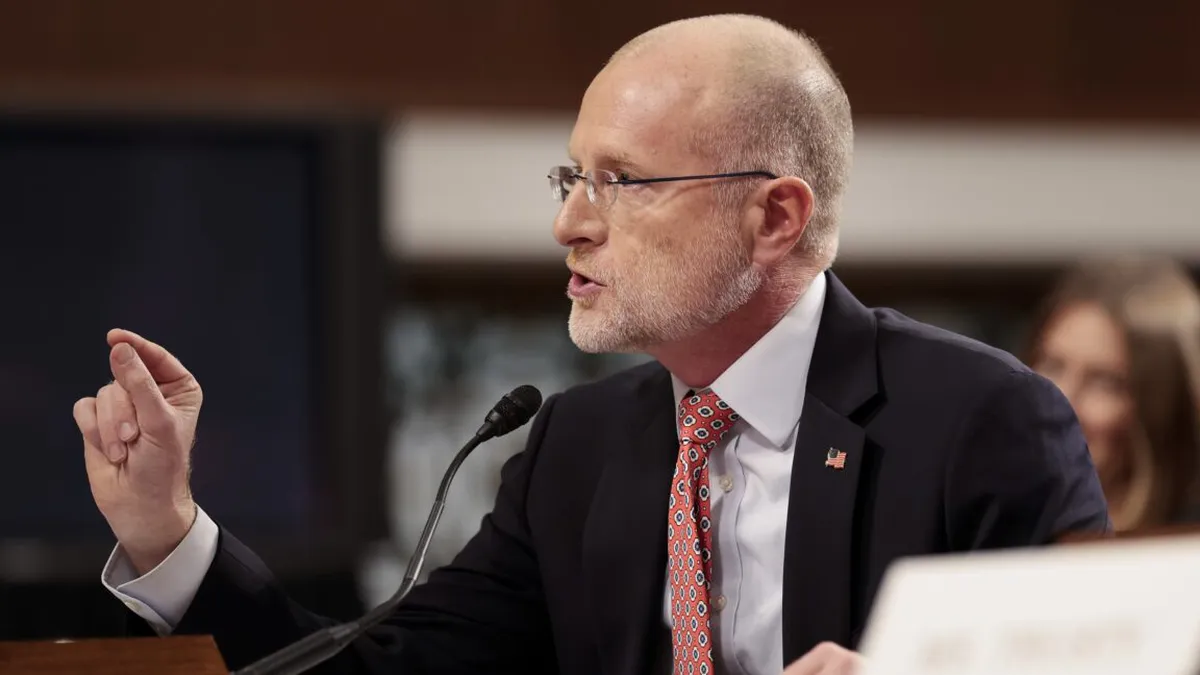
The Federal Communications Commission (FCC) has announced its intention to repeal the 39% national television ownership cap, a move that could reshape the landscape of American broadcasting. This proposed change, led by FCC Chairman Brendan Carr, is expected to spark not only intense debate but also legal challenges, as critics argue that the FCC lacks the authority to alter a limit established by Congress. For many, this repeal raises significant concerns about media consolidation, the integrity of local news, and the political implications of increasing media power in the hands of a few corporations.
With the promise of a more flexible regulatory environment, the FCC aims to replace the hard cap with a case-by-case review process for television station mergers. This shift is positioned as a way to promote localism and diversify viewpoints in the media, but many observers are skeptical of the potential outcomes. This article delves into the implications of this regulatory shift, the arguments surrounding it, and what it means for the future of local news reporting in the United States.

Understanding the 39% Ownership Cap
Established as part of the Telecommunications Act of 1996, the 39% ownership cap was designed to prevent any single entity from monopolizing the television market by limiting the reach of any one broadcast station to 39% of U.S. households. The rationale behind this regulation was to maintain a diverse media landscape and ensure that a variety of voices could be heard, particularly in local communities.
The cap has been a contentious issue for over two decades. In 2003, the FCC attempted to raise the cap to 45%, only to be overruled by Congress, which reaffirmed the 39% limit. The consistent pushback from lawmakers highlighted the tension between regulatory agencies and legislative authority in matters critical to public interest.
The Role of the FCC and Recent Actions
Chairman Brendan Carr has taken a controversial approach by treating the ownership cap as more of a guideline than a strict limit. Earlier this year, he approved a waiver for Nexstar Media Group to acquire Tegna, which allowed Nexstar to exceed the ownership cap and reach over 54% of U.S. households when accounting for certain discounts. This move has been criticized as an overreach of the FCC’s authority and a precedent for further loosening of ownership regulations.
Political Implications and Media Landscape
The proposed repeal is not just a regulatory change; it is steeped in political implications, especially given the current administration's ties to certain media organizations. Critics, including Commissioner Anna Gomez, argue that the repeal will disproportionately benefit news organizations that align with the political interests of the Trump administration. This raises concerns about the potential for biased news reporting and the erosion of journalistic integrity.
Gomez stated that the plan represents an “unlawful effort” to transfer control of public airwaves into the hands of wealthy media owners. She warned that such consolidation could lead to the destruction of local newsrooms, which play a crucial role in community engagement and emergency reporting. Without the cap, there is fear that local broadcasters may prioritize profit over community service, leading to a decline in quality journalism.

Arguments For and Against the Repeal
Proponents of the repeal, including Carr and Nexstar, assert that the current regulations are outdated and do not reflect the realities of the modern media landscape. They argue that lifting the cap will allow local broadcasters to compete more effectively not just against each other, but against major online platforms like YouTube and Amazon, which operate under no such limitations.
Nexstar's statement reflects this view, claiming that the existing rules hamper broadcasters’ ability to invest in local journalism and adapt to the changing needs of audiences. They argue that a more consolidated media ownership structure will enhance the ability to provide quality news and information.
Critics’ Concerns
- Erosion of Local News: Critics fear a significant reduction in local reporting, as larger entities prioritize national narratives over community-centric news.
- Increased Media Bias: The consolidation could lead to a homogenization of news content, reflecting the interests of a few powerful owners rather than diverse local viewpoints.
- Legal Challenges: The planned repeal is expected to face significant legal scrutiny, as critics argue that only Congress has the authority to change the ownership cap.
- Loss of Accountability: With fewer independent stations, there may be decreased accountability for media outlets regarding their reporting standards.

The Road Ahead: Potential Legal Battles
The planned repeal of the ownership cap is set for a vote at the FCC's upcoming meeting, but it is unlikely to proceed without a challenge. Legal experts and critics argue that since Congress established the cap, it is Congress alone that has the authority to modify or eliminate it. Previous attempts by the FCC to change ownership limits have been met with swift legislative pushback.
In fact, the United Church of Christ Media Justice Ministry, alongside other advocacy groups, has already indicated their intention to challenge any changes in court. They argue that the FCC’s actions in granting waivers and proposed repeals have overstepped its legally mandated bounds, undermining the very principles of media plurality that the cap was designed to protect.

Key Takeaways
- The FCC is proposing to repeal the 39% national television ownership cap.
- Critics argue that this move could lead to increased media consolidation and biased reporting.
- Legal challenges are expected as the FCC's authority to change the cap is contested.
- The repeal could significantly impact local news operations and the diversity of viewpoints available to the public.
- Supporters claim it will modernize regulations and improve local broadcasting competitiveness.
Frequently Asked Questions
What is the 39% ownership cap?
The 39% ownership cap is a federal regulation that limits any single broadcast station owner from reaching more than 39% of U.S. television households. This rule was established to promote media diversity and prevent monopolistic control over local news markets.
Why is the FCC proposing to repeal this cap now?
The FCC argues that the current cap is outdated and restricts local broadcasters from competing effectively in a rapidly changing media environment, particularly against digital platforms that do not face similar ownership restrictions. The agency believes that a case-by-case review of mergers will better serve local communities' needs.
What are the potential consequences of repealing the cap?
Repealing the cap could result in significant media consolidation, potentially reducing the number of independent local news sources. Critics fear this could lead to a decline in local journalism quality and a lack of diverse viewpoints in media coverage, particularly affecting communities that rely on local stations for news and emergency alerts.
Will this repeal face legal challenges?
Yes, the proposed repeal is expected to face substantial legal challenges as critics, including lawmakers and advocacy groups, argue that only Congress has the authority to modify the ownership cap. Any FCC vote to repeal the cap could lead to court battles that may delay or overturn the repeal.
Comments
New Windows Zero-Day Vulnerability Emerges Amid Record Patch Release
A new zero-day exploit targeting Windows systems has been disclosed just as Microsoft rolls out an unprecedented number of security patches. This article delves into the implications of the HiveLegacy vulnerability and what businesses should do to safeguard their systems.

Related articles



Popular in Cybersecurity
- Federal Mandate for Autonomous Vehicles: A Call for Safety Compliance
- EU Mandates Google to Share Data and Open AI on Android: What It Means
- GitHub Revamps Bug Bounty Program: Implications for Developers and Security
- Australian Government Disables Thousands of Functional Broadband Routers: A Wasteful Decision
- Exploiting Redis: Understanding Zero-Day Vulnerabilities and Their Mitigation