Fatal Tesla Crash: NTSB Confirms Driver Overrode Safety Features
The NTSB has confirmed that the driver of a Tesla involved in a fatal June 2026 crash pressed the accelerator to 100%, raising serious concerns about the safety of autonomous driving technology. This incident highlights the ongoing debates surrounding automated vehicle systems and human responsibility.
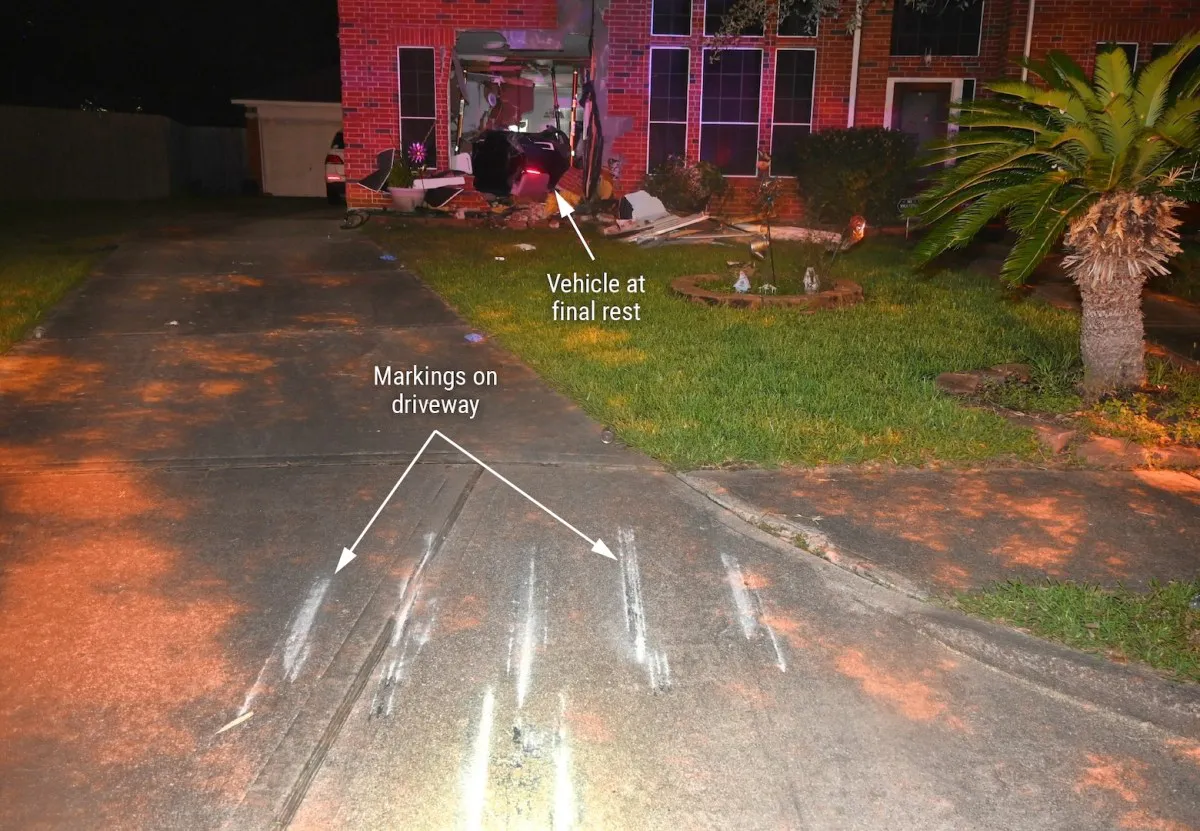
The increasing integration of autonomous driving technology into everyday vehicles has sparked both excitement and concern. In a tragic incident that occurred in June 2026, a Tesla driver pressed the accelerator to full throttle, resulting in a fatal crash that claimed the life of 76-year-old Martha Avila in Katy, Texas. The National Transportation Safety Board (NTSB) has confirmed the driver, Michael Butler, operated the vehicle at over 70 miles per hour in a residential area, overriding the vehicle's Full Self-Driving (FSD) capabilities. This incident ignites critical discussions about the safety of automated driving systems and the responsibilities of drivers.
According to preliminary NTSB findings, the Tesla was utilizing its FSD (Supervised) software, which requires drivers to remain engaged and ready to take control at any moment. Yet, in this case, Butler allegedly accelerated through a neighborhood, leading to the collision with a house. The NTSB’s report sheds light on the circumstances surrounding the crash, including Butler’s disturbing online search history that indicates a dissatisfaction with the vehicle's driving behavior.

Understanding the Incident: Key Findings from the NTSB
The NTSB's preliminary report indicates that the accident occurred on Rose Hollow Lane, a quiet two-lane residential street with a speed limit of 30 miles per hour. The vehicle was recorded traveling at over 70 miles per hour when it struck Avila's home. This stark contrast between the speed limit and the vehicle's speed raises urgent questions about driver accountability and the operational boundaries of automated driving systems.
Data Recovery and Analysis
After the crash, data was retrieved from the Tesla, confirming the vehicle's high-speed trajectory and the driver’s full throttle engagement. Tesla had previously asserted that its FSD system was not at fault, a claim that aligned with NTSB findings. Elon Musk, Tesla's CEO, emphasized that the FSD software is designed for cautious driving, particularly in residential areas, stating, “This allegation makes no sense. FSD drives slowly through neighborhood streets and this was a high-speed crash!”
Legal Ramifications: A Family’s Pursuit of Justice
The incident has led to significant legal proceedings, with Avila's family filing a lawsuit against both Butler and Tesla, alleging negligence. This case could set important precedents regarding the liability of manufacturers and drivers in accidents involving advanced driving technologies. Butler, now facing manslaughter charges, reportedly claimed to authorities that he had “passed out” during the incident, raising further concerns about driver attentiveness when utilizing automated systems.
The Role of Search History in Investigations
Investigative reports revealed that Butler's Google search history included queries about Tesla's FSD capabilities, with searches such as “Tesla FSD not aggressive enough 2026” and “Tesla not aggressive enough.” This information lends credence to the argument that Butler was actively dissatisfied with the FSD system's performance and sought to override its safety parameters, potentially indicating a reckless mindset. Such insights into driver behavior are crucial for understanding the broader implications of automated driving technologies.
The Broader Context: Autonomous Driving and Safety Standards
The Tesla crash comes at a time when autonomous driving technology is being rapidly adopted. Manufacturers are under immense pressure to innovate while ensuring the safety of their vehicles. The NTSB's ongoing investigation, alongside scrutiny from the National Highway Traffic Safety Administration (NHTSA), highlights the need for rigorous safety standards and a clear understanding of how drivers interact with automated systems.
Challenges in Regulation
As autonomous vehicles become more prevalent, regulatory bodies are grappling with how to enforce safety measures. The limitations of current regulations raise questions about how to ensure that drivers remain alert and engaged while using automated systems. Moreover, the legal implications of such incidents could lead to increased calls for stricter guidelines on the marketing and operation of automated driving features.
Consumer Awareness: What Drivers Should Know
For consumers, the incident serves as a stark reminder of the responsibilities that come with utilizing advanced driver assistance technologies. Drivers must understand that while these systems can enhance safety, they do not replace the need for active engagement and awareness. Here are some critical points for consumers to consider:
- Stay Engaged: Always be prepared to take control of your vehicle, even when using automated features.
- Understand Limitations: Familiarize yourself with the capabilities and limitations of your vehicle's automated systems.
- Follow Legal Guidelines: Adhere to local traffic laws and speed limits, especially in residential areas.
- Monitor Driver Behavior: Be aware of your own driving patterns and avoid distractions.
Key Takeaways
- The NTSB confirmed that the Tesla driver pressed the accelerator to 100%, leading to a fatal crash.
- Legal ramifications are unfolding, with charges against the driver and a lawsuit from the victim's family.
- The incident highlights ongoing debates about the safety of autonomous driving technologies.
- Consumer awareness is essential for ensuring safety when using advanced driving systems.
Frequently Asked Questions
What are the legal implications of this crash for Tesla?
The ongoing investigations by the NTSB and NHTSA may lead to regulatory changes and increased scrutiny on Tesla's marketing of its Full Self-Driving features. If found liable, Tesla could face significant financial repercussions and pressure to modify its technology and safety protocols.
How does this incident affect consumer trust in autonomous vehicles?
This tragic incident could impact consumer perceptions of the safety and reliability of autonomous vehicles. As reports of accidents involving automated systems emerge, potential buyers may hesitate to embrace this technology, prompting manufacturers to enhance safety measures and improve consumer education.
What can drivers do to ensure their safety while using automated driving systems?
Drivers should always remain attentive and ready to take control of their vehicles, even when using advanced driving features. Understanding the limitations of the technology, following traffic laws, and avoiding distractions are critical steps toward ensuring safety on the road.
Comments
FCC Moves to Repeal TV Ownership Cap: Implications and Controversies
The FCC's proposal to repeal the 39% TV ownership cap raises questions about media consolidation, community reporting, and regulatory authority. This article explores the implications of this significant move.
Related articles



Popular in Cybersecurity
- Federal Mandate for Autonomous Vehicles: A Call for Safety Compliance
- EU Mandates Google to Share Data and Open AI on Android: What It Means
- GitHub Revamps Bug Bounty Program: Implications for Developers and Security
- Australian Government Disables Thousands of Functional Broadband Routers: A Wasteful Decision
- Exploiting Redis: Understanding Zero-Day Vulnerabilities and Their Mitigation