Microsoft's Historic Security Patch: Age of Empires II Vulnerability Fixed
Microsoft recently addressed a significant vulnerability in the remastered version of Age of Empires II, part of a record-setting patch for security flaws. This article explores the implications of this patch, the role of AI in cybersecurity, and the broader impact on gamers and the industry.
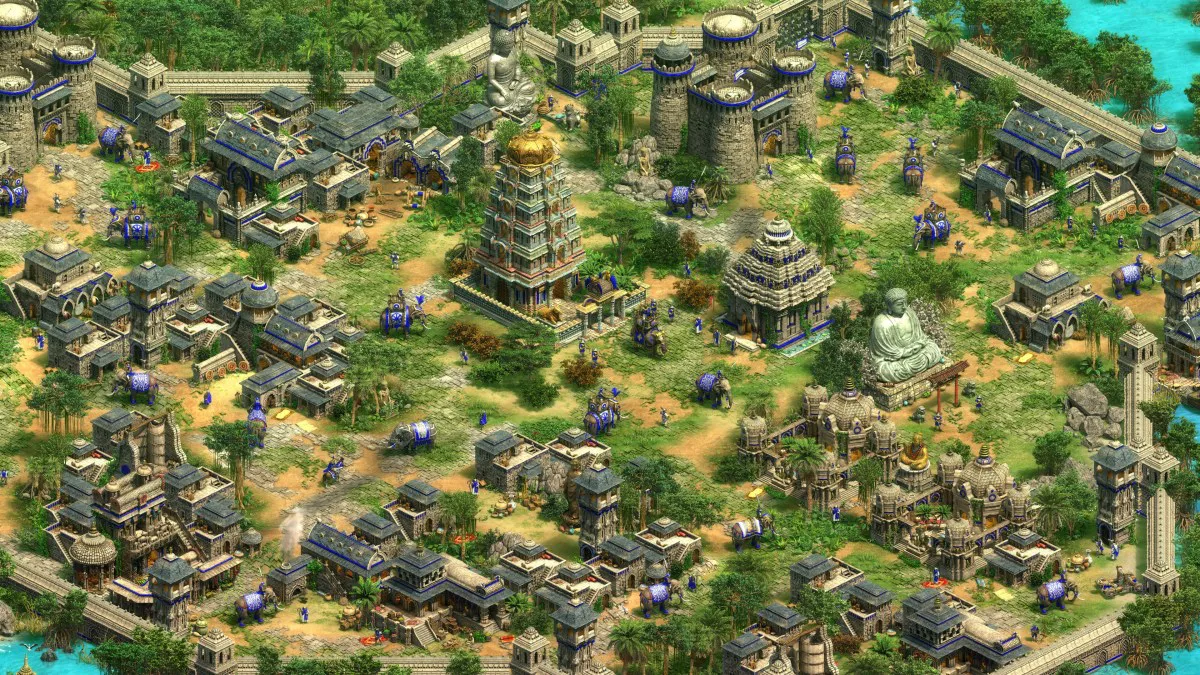
In a significant move for cybersecurity and gaming, Microsoft has launched a comprehensive patch to address an unprecedented number of security vulnerabilities across its product lines. Among these fixes is a critical vulnerability affecting the remastered version of the classic strategy game, Age of Empires II, which has garnered attention not only for its nostalgic value but also for the serious implications of its security flaws. This patch highlights the growing intersection of artificial intelligence (AI) technology and cybersecurity, showcasing how AI is becoming an essential tool for identifying and mitigating risks in digital products.
The vulnerability discovered in Age of Empires II, identified as CVE-2026-50663, presents a severe threat to gamers. This flaw enables malicious actors to gain remote access to a victim's system simply by sending a specially crafted game invite. Cybersecurity firm Rapid7 has detailed how this exploit could allow hackers to install malicious files on a victim’s computer, effectively giving them control over the device. Fortunately, there is currently no evidence that this vulnerability has been actively exploited in the wild, but the potential risks underscore the importance of regular updates and vigilance in gaming security.
The Role of AI in Cybersecurity
Microsoft's record-setting patch day was made possible in large part due to advancements in AI technologies that aid both the company and external researchers in identifying vulnerabilities. By leveraging AI, Microsoft has been able to analyze massive datasets more efficiently, enabling quicker detection of potential security flaws across its expansive product suite. This proactive approach represents a paradigm shift in how companies safeguard their digital environments.
How AI Enhances Vulnerability Detection
AI algorithms can sift through vast amounts of code and user interactions, pinpointing anomalies that may indicate security weaknesses. Here are a few key ways AI enhances vulnerability detection:
- Speed: AI can analyze data at a speed far beyond human capabilities, enabling faster identification of potential vulnerabilities.
- Pattern Recognition: Machine learning models can learn from historical data to recognize patterns indicative of security risks.
- Predictive Analysis: AI can predict potential attack vectors based on existing vulnerabilities and emerging threat landscapes.
As the gaming industry continues to expand, the integration of AI into cybersecurity will become increasingly critical, particularly as hackers target platforms with large user bases, such as online games.

Understanding the Implications of Gaming Vulnerabilities
While the Age of Empires II vulnerability is alarming, it is part of a broader trend where video games are increasingly becoming targets for cybercriminals. Gamers often have valuable personal information stored on their devices, making them attractive targets for attacks. The consequences of security breaches in gaming can be severe, including loss of personal data, financial theft, or even broader impacts on game publishers' reputations.
Why Gamers Should Be Concerned
Here's why gamers should take note of vulnerabilities like the one in Age of Empires II:
- Data Security: Gamers often store sensitive information, including payment details and personal identification, on their devices.
- Community Safety: Exploits can compromise not only individual players but also the integrity of the gaming community as a whole.
- Trust in Developers: Frequent security issues can erode trust in game publishers, affecting long-term player engagement.
As the gaming landscape evolves, so too does the necessity for robust security measures to protect both developers and players from the ever-growing array of cyber threats.

The Broader Impact on the Industry
The recent wave of vulnerabilities addressed by Microsoft’s patch underscores a larger issue in the software industry: the ongoing battle between security and user convenience. As developers prioritize feature-rich experiences, the potential for overlooking security measures increases. This is particularly pronounced in the gaming sector, where the rapid pace of development and the pressure to deliver new content can lead to vulnerabilities being inadvertently introduced.
Industry Responses to Security Challenges
In light of increasing security threats, the gaming industry is beginning to adopt more stringent security protocols, including:
- Regular Updates: Developers are committing to more frequent patches and updates to address vulnerabilities quickly.
- Community Engagement: Many companies are encouraging players to report bugs and vulnerabilities, creating a collaborative environment for security.
- Investment in Security: Companies are increasing their budgets for cybersecurity measures, including hiring dedicated security teams.
The proactive stance taken by Microsoft and others in the industry can serve as a model for how to approach security in an era where the risks are constantly evolving.

Key Takeaways
- Microsoft has addressed a critical vulnerability in Age of Empires II, highlighting the importance of timely security patches.
- AI is playing a crucial role in identifying and mitigating vulnerabilities across software products.
- Gamers must remain vigilant about security risks, as they are prime targets for cybercriminals.
- The ongoing battle between security and user convenience necessitates a collaborative approach among developers and the gaming community.
Frequently Asked Questions
What specific vulnerability was patched in Age of Empires II?
The vulnerability patched in Age of Empires II, designated as CVE-2026-50663, allowed hackers to gain remote access to a victim's computer through malicious game invites. This could potentially enable attackers to run arbitrary code on the victim's machine.
How does AI contribute to identifying security vulnerabilities?
AI enhances vulnerability detection by speeding up the analysis of code, recognizing patterns indicative of weaknesses, and predicting potential attack vectors. This allows companies like Microsoft to proactively address security flaws before they can be exploited.
Why are gamers particularly targeted by cybercriminals?
Gamers are often targeted because they store sensitive personal information, including payment details and personal identification, on their devices. Additionally, the large user bases of popular games make them attractive targets for mass exploitation.
What steps can gamers take to protect themselves from cyber threats?
Gamers can protect themselves by regularly updating their software, using strong and unique passwords, enabling two-factor authentication where available, and being cautious about sharing personal information online. Engaging with the gaming community to report vulnerabilities can also contribute to a safer gaming environment.
Comments
FCC Moves to Repeal TV Ownership Cap: Implications and Controversies
The FCC's proposal to repeal the 39% TV ownership cap raises questions about media consolidation, community reporting, and regulatory authority. This article explores the implications of this significant move.

Related articles



Popular in Cybersecurity
- Federal Mandate for Autonomous Vehicles: A Call for Safety Compliance
- EU Mandates Google to Share Data and Open AI on Android: What It Means
- GitHub Revamps Bug Bounty Program: Implications for Developers and Security
- Australian Government Disables Thousands of Functional Broadband Routers: A Wasteful Decision
- Exploiting Redis: Understanding Zero-Day Vulnerabilities and Their Mitigation