Court Blocks Trump Administration's Visa Policy Targeting Disinformation Researchers
A recent ruling by Judge James Boasberg halts the Trump administration's visa policy aimed at disinformation researchers, highlighting the ongoing tensions between free speech and content moderation. This decision has implications for the future of online discourse.
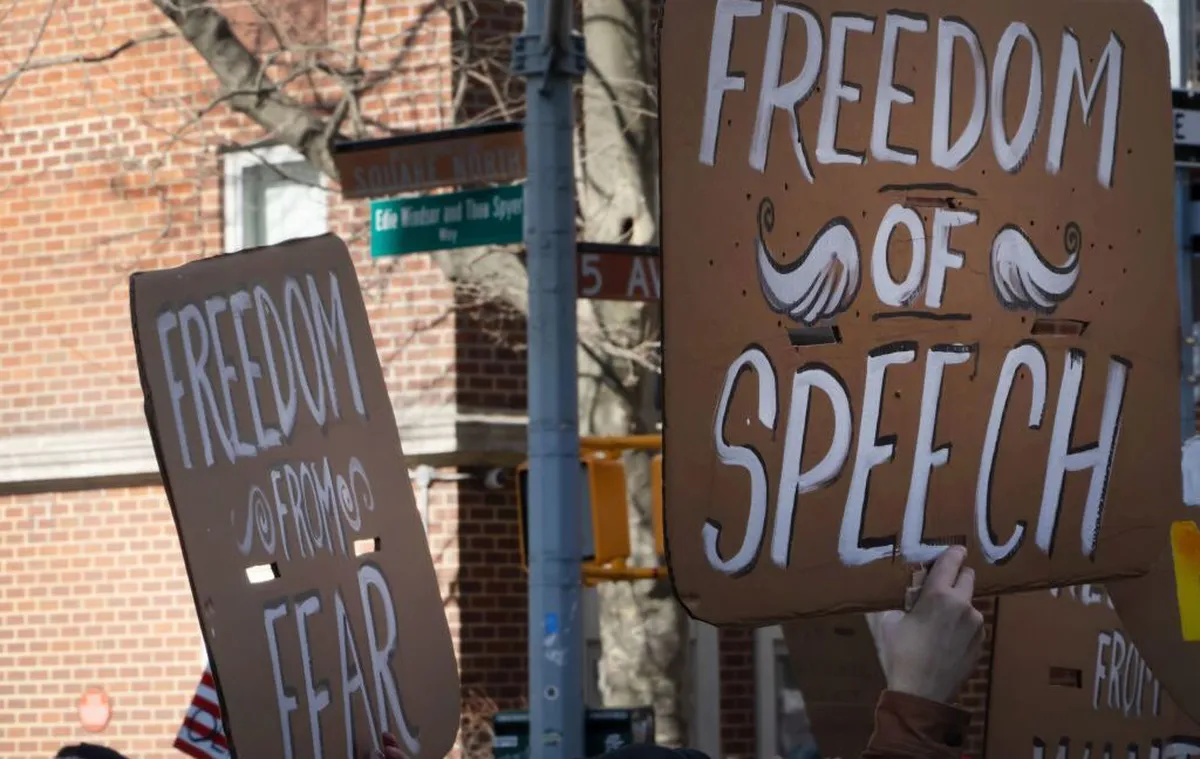
A pivotal ruling from the U.S. District Court has emerged as a beacon of hope for researchers focused on misinformation and content moderation. In a decision that has far-reaching implications for free speech and the treatment of non-citizens in the realm of digital discourse, Judge James Boasberg has blocked a controversial visa policy put forth by the Trump administration. This policy sought to revoke green cards and deport non-U.S. citizens engaged in work related to disinformation, fact-checking, and content moderation. The ruling not only reflects a growing concern over governmental overreach but also shines a light on the precarious balance between regulating online content and protecting civil liberties.
The Coalition for Independent Technology Research (CITR), which spearheaded the legal challenge, argued that the policy was not just about immigration enforcement but rather an attempt to silence dissenting voices in the critical discussion surrounding online misinformation. Judge Boasberg's opinion underscores this perspective, asserting that the policy's enforcement could lead to chilling effects on research and advocacy, particularly among those advocating for transparency in digital platforms.
Background of the Visa Policy
The visa-restriction policy was introduced during the Trump administration as part of a broader strategy to combat perceived threats from foreign adversaries manipulating public opinion. On its surface, the policy authorized investigations into individuals suspected of aiding foreign powers through content moderation efforts. However, the execution of the policy raised significant concerns. The State Department failed to substantiate claims that any of the targeted researchers had connections to foreign entities looking to censor American speech.
Judge Boasberg highlighted the vague and potentially limitless scope of the policy, noting that it could extend to anyone engaged in content moderation activities, thereby jeopardizing the immigration status of many individuals simply doing their jobs. This lack of clarity on what constitutes a foreign threat or manipulative behavior has led to fears among researchers that their work could be misinterpreted as siding with foreign interests.
Implications for Researchers and Content Moderation
The ruling represents a significant victory for digital rights advocates and researchers who have faced increasing pressures from both government and corporate entities. The chilling effect of the policy was palpable, with many researchers reporting heightened anxiety over their immigration status and the potential for deportation simply due to their professional focus on content moderation.
Boasberg's decision emphasized that the First Amendment protects individuals from punitive actions based solely on their viewpoints, particularly in a landscape where opinions on content moderation are deeply polarized. The judge pointed out that the policy effectively tilted the scales of public discourse, favoring those who advocate for less moderation while penalizing those who seek to impose stricter controls on misinformation.
The Broader Context of Content Moderation
In the digital age, content moderation has become a battleground for competing ideologies. On one side, advocates for free expression argue against excessive censorship, while on the other, proponents of stricter content controls emphasize the need to combat disinformation and protect vulnerable populations. This tension has been exacerbated by the rise of social media platforms, where misinformation can spread rapidly and have real-world consequences.
The implications of Judge Boasberg's ruling extend beyond just the researchers involved. The decision serves as a warning to government agencies about the potential constitutional violations that can occur when enforcement actions disproportionately target specific viewpoints. It also raises questions about the role of tech companies and their lobbying efforts in shaping policies that affect independent researchers.

The Role of Big Tech and Potential Conflicts of Interest
One of the more contentious aspects of the case is the allegation that the Trump administration's actions were influenced by Big Tech interests. Critics argue that the government's focus on deporting researchers who challenge the status quo on platforms like X (formerly Twitter) aligns with the interests of tech executives who prefer a less rigorous approach to content moderation. Imran Ahmed, the CEO of the Center for Countering Digital Hate (CCDH), noted that the government’s attempts to stifle researchers were reminiscent of censorship tactics employed by those in power.
Ahmed's organization has been at the forefront of advocating for accountability from social media platforms regarding hate speech and misinformation. His comments highlight the growing concern that governmental policies may serve corporate interests rather than the public good, effectively silencing voices that advocate for transparency and accountability in the digital landscape.
Key Players and Their Responses
Several prominent researchers expressed their relief at the court's decision. Anna-Lena von Hodenberg and Josephine Ballon, CEOs of HateAid, emphasized the importance of protecting researchers who seek to understand the risks posed by online platforms. Clare Melford, co-founder of the Global Disinformation Index, echoed these sentiments, framing the ruling as a victory for free speech and a rebuke of governmental attempts to suppress dissent.
The coalition of researchers and advocates underscores the vital role that independent research plays in shaping public policy and promoting healthy discourse surrounding online content. Their voices are essential in navigating the complex landscape of misinformation and ensuring that digital platforms are held accountable for their actions.
Key Takeaways
- Judicial Victory: The ruling by Judge Boasberg halts the enforcement of a controversial visa policy targeting disinformation researchers.
- First Amendment Protections: The decision emphasizes the need to protect researchers' rights to engage in content moderation without fear of deportation.
- Impact on Public Discourse: The ruling highlights the ongoing tensions between free speech and content moderation in the digital age.
- Corporate Influence: Concerns arise over potential conflicts of interest as researchers call attention to the influence of Big Tech on governmental policies.
Frequently Asked Questions
What does the ruling mean for disinformation researchers?
The ruling prevents the Trump administration from enforcing visa restrictions against disinformation researchers, thereby safeguarding their ability to conduct research without fear of deportation. It signals a significant judicial acknowledgment of the importance of independent research in the context of public discourse and the potential consequences of governmental overreach.
How has the State Department responded to the ruling?
The State Department has yet to publicly comment on the ruling's implications. However, the court's decision indicates that the department must reassess its approach to enforcing policies that may infringe upon First Amendment rights. The ruling serves as a reminder that enforcement actions should be based on solid evidence rather than assumptions about individuals' affiliations or viewpoints.
What are the broader implications for content moderation?
This ruling could set a precedent for future cases involving content moderation and free speech. It highlights the need for careful consideration of how policies are implemented and enforced, particularly when they may disproportionately impact specific groups or viewpoints. As the debate over content moderation continues to evolve, the ruling may inspire more robust protections for researchers and advocates in the digital space.
Comments
FCC Moves to Repeal TV Ownership Cap: Implications and Controversies
The FCC's proposal to repeal the 39% TV ownership cap raises questions about media consolidation, community reporting, and regulatory authority. This article explores the implications of this significant move.
Related articles




Popular in Cybersecurity
- Federal Mandate for Autonomous Vehicles: A Call for Safety Compliance
- EU Mandates Google to Share Data and Open AI on Android: What It Means
- GitHub Revamps Bug Bounty Program: Implications for Developers and Security
- Australian Government Disables Thousands of Functional Broadband Routers: A Wasteful Decision
- Exploiting Redis: Understanding Zero-Day Vulnerabilities and Their Mitigation