Exploiting Vulnerabilities: Understanding SonicWall's SMA 1000 Threats
Recent zero-day vulnerabilities in SonicWall's SMA 1000 series have raised alarms in the cybersecurity landscape. Organizations must act swiftly to secure their systems against these threats.
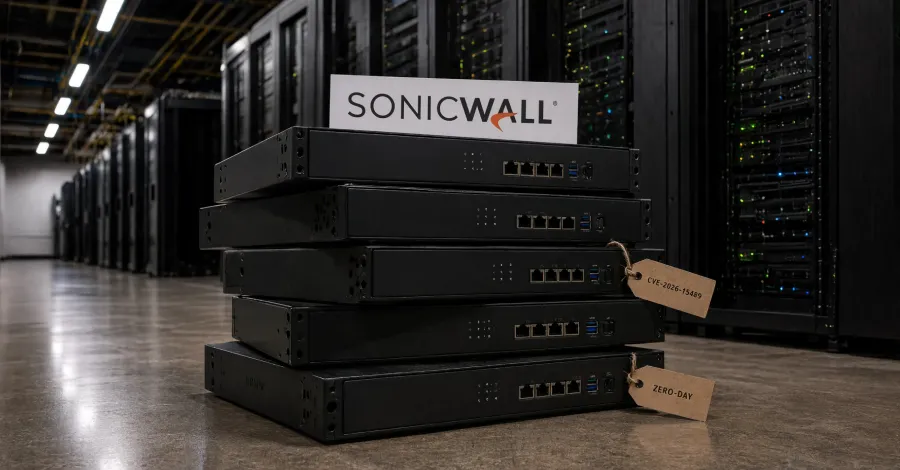
The cybersecurity landscape is constantly evolving, and the recent discovery of two zero-day vulnerabilities in SonicWall's SMA 1000 series devices has put organizations on high alert. These vulnerabilities, which allow attackers to execute administrative commands remotely, pose significant risks to businesses that rely on these systems for secure remote access. With the rise of remote work, understanding and mitigating these threats is more crucial than ever.
Zero-day vulnerabilities are security flaws that are exploited by cybercriminals before the vendor has a chance to issue a patch. This means that systems are left vulnerable until organizations can implement the necessary updates, leaving them at risk for potential breaches. For SonicWall's SMA 1000, a popular solution for secure access management, the implications of these vulnerabilities can be dire, especially for enterprises that depend on these devices to protect sensitive data and maintain compliance with regulations.
Understanding the SonicWall SMA 1000 Vulnerabilities
The SonicWall SMA 1000 series is designed to provide secure access to corporate applications and data for remote users. However, the recent zero-day vulnerabilities discovered in this series could allow attackers to bypass authentication protocols, leading to unauthorized access to sensitive information. One of the vulnerabilities could enable an attacker to execute administrative commands remotely, which could result in significant damage, including data theft, system manipulation, and even complete network compromise.
These vulnerabilities are particularly troubling given the increasing sophistication of cyber threats. Organizations using SonicWall SMA 1000 devices must understand the nature of these vulnerabilities and the potential consequences. The implications extend beyond immediate data security; they can impact business continuity, reputation, and ultimately the bottom line.

The Importance of Immediate Action
With zero-day vulnerabilities, time is of the essence. Once a vulnerability is publicly disclosed, cybercriminals are quick to exploit it. Organizations using SonicWall SMA 1000 devices must take immediate steps to mitigate risk. Here are some recommended actions:
- Patch Systems Promptly: As soon as SonicWall releases patches or updates, organizations must apply them without delay.
- Implement Network Segmentation: By segmenting networks, organizations can limit the potential damage from an exploit.
- Monitor for Unusual Activity: Continuous monitoring can help identify potential breaches quickly.
- Educate Employees: Training staff on the importance of cybersecurity can help prevent social engineering attacks.
- Backup Data Regularly: Ensuring that data is backed up can mitigate losses in the event of a breach.
Defending Against Future Vulnerabilities
As cyber threats continue to evolve, organizations must adopt a proactive approach to cybersecurity. Relying solely on reactive measures such as patching vulnerabilities is no longer sufficient. Here are steps organizations can take to strengthen their defenses against future vulnerabilities:
1. Leverage AI-Powered Security Solutions
Artificial intelligence (AI) is becoming a crucial component in the fight against cyber threats. AI models can analyze vast amounts of data to identify patterns and anomalies that may indicate a security breach. By integrating AI-powered security solutions, organizations can enhance their threat detection capabilities and respond more effectively to emerging threats.
2. Conduct Regular Security Audits
Regular security audits can help organizations identify potential vulnerabilities before they are exploited. By assessing their security posture, businesses can discover weaknesses in their systems and take the necessary steps to address them.
3. Stay Informed About Threat Intelligence
Keeping abreast of the latest threat intelligence can help organizations stay ahead of emerging threats. Joining cybersecurity forums, subscribing to threat intelligence feeds, and engaging with cybersecurity communities can provide valuable insights into the latest vulnerabilities and attack trends.
Legal and Compliance Considerations
For organizations, addressing vulnerabilities is not just about protecting data; it also involves meeting legal and regulatory requirements. Failure to secure systems can lead to data breaches, resulting in significant legal repercussions, fines, and damage to reputation. Industries such as healthcare, finance, and retail are especially vulnerable, as they are subject to strict compliance regulations like HIPAA and PCI-DSS.
Organizations must ensure that they are not only addressing vulnerabilities promptly but also documenting their actions to demonstrate compliance with industry regulations. This documentation can be vital in the event of an audit or breach investigation.
Key Takeaways
- SonicWall SMA 1000 vulnerabilities pose serious risks that can lead to unauthorized access and data breaches.
- Immediate action is critical: Organizations must apply patches and monitor systems continuously.
- Proactive cybersecurity measures such as AI integration and regular audits can strengthen defenses against future threats.
- Compliance and legal considerations are essential, particularly for regulated industries.
Frequently Asked Questions
What are zero-day vulnerabilities?
Zero-day vulnerabilities are security flaws that are exploited by attackers before the software vendor has had a chance to release a patch. These vulnerabilities are particularly dangerous because they can be exploited with no prior warning, making systems highly susceptible to attacks until a fix is implemented.
How can organizations protect themselves from cyber threats?
Organizations can protect themselves by implementing a multi-layered security approach, which includes regular software updates, employee training, network segmentation, and integrating advanced technologies such as AI for threat detection. Additionally, maintaining robust backup systems can help mitigate the impact of any potential breaches.
Why is compliance important in cybersecurity?
Compliance is critical because many industries are governed by strict regulations that require organizations to protect sensitive data. Non-compliance can result in hefty fines, legal repercussions, and damage to an organization’s reputation. Adhering to compliance standards also demonstrates a commitment to security, which can enhance trust with customers and partners.
Comments
Emerging Cybersecurity Threats: Securing Against AI-Driven Vulnerabilities
As AI tools evolve, so do the vulnerabilities they expose in software systems. This article explores recent threats and offers actionable steps for organizations to enhance their security posture.
Related articles




Popular in Cybersecurity
- Federal Mandate for Autonomous Vehicles: A Call for Safety Compliance
- EU Mandates Google to Share Data and Open AI on Android: What It Means
- GitHub Revamps Bug Bounty Program: Implications for Developers and Security
- Australian Government Disables Thousands of Functional Broadband Routers: A Wasteful Decision
- Exploiting Redis: Understanding Zero-Day Vulnerabilities and Their Mitigation