LabubaRAT: A New Threat Masquerading as NVIDIA Software
The emergence of LabubaRAT highlights the evolving landscape of cybersecurity threats. This article explores how this malware operates and offers essential steps to protect your organization.
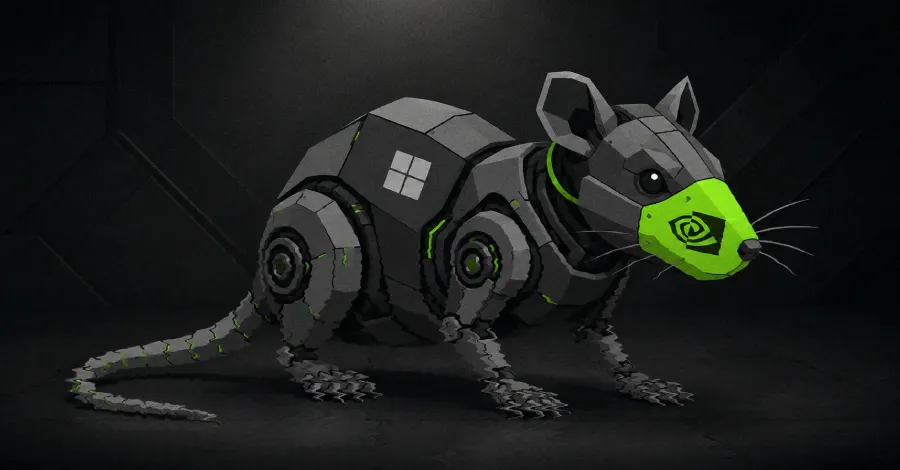
The cybersecurity landscape is continuously evolving, marked by innovative threats that challenge the defenses of organizations worldwide. One of the latest threats to emerge is LabubaRAT, a sophisticated piece of malware that masquerades as legitimate NVIDIA software. This malware not only exploits vulnerabilities but also highlights the growing role of artificial intelligence (AI) in both the development of threats and the defense against them. Understanding how LabubaRAT operates and implementing robust security measures is crucial for businesses to safeguard their digital assets.
LabubaRAT's emergence is a stark reminder that cybercriminals are becoming increasingly adept at leveraging familiar and trusted software to infiltrate systems. By posing as NVIDIA applications, which are widely recognized and used in various industries, LabubaRAT successfully deceives users and security systems alike. This article delves into the workings of LabubaRAT, the implications for organizations, and actionable steps to mitigate the risks associated with such sophisticated threats.

The Mechanics of LabubaRAT: How It Operates
LabubaRAT operates by embedding itself within what appears to be legitimate NVIDIA software. Once installed, it can control infected Windows hosts, allowing cybercriminals to access sensitive information, execute commands, and install additional malware. The dual nature of LabubaRAT—disguised as trusted software while harboring malicious intent—makes it particularly dangerous.
Key Features of LabubaRAT
- Disguise as Trusted Software: By masquerading as NVIDIA software, LabubaRAT exploits users' trust in well-known applications.
- Remote Access: Once installed, attackers gain remote access to the victim's system, facilitating further exploitation.
- Data Exfiltration: LabubaRAT can siphon sensitive data, including passwords and financial information, from the compromised machine.
- Persistence Mechanisms: The malware can establish itself to survive system reboots and updates, complicating removal efforts.

Understanding the Role of AI in Cybersecurity
Artificial intelligence is reshaping the cybersecurity landscape in both beneficial and harmful ways. On one hand, AI is utilized to develop advanced security solutions that can detect anomalies, identify threats in real-time, and automate response mechanisms. On the other hand, adversaries are increasingly leveraging AI to create more sophisticated malware like LabubaRAT, making detection and prevention more challenging.
How AI Enhances Security Measures
Organizations can harness the power of AI to bolster their cybersecurity posture:
- Automated Threat Detection: AI systems can analyze vast amounts of data to identify unusual patterns indicative of a potential cyberattack.
- Predictive Analytics: Machine learning algorithms can predict potential vulnerabilities based on historical data, enabling proactive defenses.
- Incident Response: AI can automate responses to detected threats, reducing the time taken to mitigate risks.

Five Essential Steps to Secure Against LabubaRAT and Similar Threats
To effectively defend against LabubaRAT and other advanced threats, organizations should adopt a multi-layered security approach. Here are five essential steps to enhance your cybersecurity posture:
1. Regular Software Updates
Ensuring that all software, especially security applications, is up-to-date is one of the simplest yet most effective ways to prevent malware infections. Regular updates often include patches for known vulnerabilities that attackers exploit.
2. Employee Training and Awareness
Cybersecurity is only as strong as its weakest link. Regular training sessions can help employees recognize phishing attempts and suspicious software, reducing the likelihood of accidental installations of malware.
3. Implementing Endpoint Security Solutions
Utilizing advanced endpoint security solutions can help detect and block malware like LabubaRAT before it infiltrates your systems. These tools often use AI algorithms to enhance their detection capabilities.
4. Network Segmentation
By segmenting your network, you can limit the spread of malware. If one part of your network becomes infected, segmentation can help contain the threat and prevent it from spreading to other critical areas.
5. Incident Response Planning
Having a well-defined incident response plan ensures that your organization can react quickly and effectively in case of a cyber incident. This includes identifying key personnel, establishing communication protocols, and defining procedures for containment and recovery.
Key Takeaways
- LabubaRAT poses as legitimate NVIDIA software to infiltrate systems.
- AI is being used by both attackers and defenders in the cybersecurity realm.
- Regular software updates and employee training are crucial for cybersecurity.
- Multi-layered security strategies can help mitigate risks from advanced threats.
Frequently Asked Questions
What is LabubaRAT and how does it work?
LabubaRAT is a type of malware that disguises itself as legitimate NVIDIA software. Once installed on a Windows machine, it grants attackers remote control over the system, allowing them to access sensitive information and execute malicious commands. Its disguise makes it particularly challenging to detect and remove.
How can organizations protect themselves from LabubaRAT?
Organizations can protect themselves by regularly updating their software, training employees to recognize phishing attempts, implementing advanced endpoint security solutions, segmenting their networks, and developing a comprehensive incident response plan.
What role does AI play in cybersecurity?
AI plays a dual role in cybersecurity: it enhances security measures by enabling automated threat detection and predictive analytics, while also being exploited by cybercriminals to create sophisticated malware. Organizations must leverage AI to stay ahead of evolving threats.
Why is employee training important in cybersecurity?
Employee training is vital because human error is often the weakest link in cybersecurity. By educating staff about the risks associated with malware and best practices for recognizing threats, organizations can significantly reduce the likelihood of successful cyberattacks.
Comments
Exploiting Vulnerabilities: Understanding SonicWall's SMA 1000 Threats
Recent zero-day vulnerabilities in SonicWall's SMA 1000 series have raised alarms in the cybersecurity landscape. Organizations must act swiftly to secure their systems against these threats.

Related articles





Popular in Cybersecurity
- Federal Mandate for Autonomous Vehicles: A Call for Safety Compliance
- EU Mandates Google to Share Data and Open AI on Android: What It Means
- GitHub Revamps Bug Bounty Program: Implications for Developers and Security
- Australian Government Disables Thousands of Functional Broadband Routers: A Wasteful Decision
- Exploiting Redis: Understanding Zero-Day Vulnerabilities and Their Mitigation